What general climate preference defines the overall known distribution map for wolf snakes across Asia?
Answer
Warm, generally humid, tropical and subtropical climates
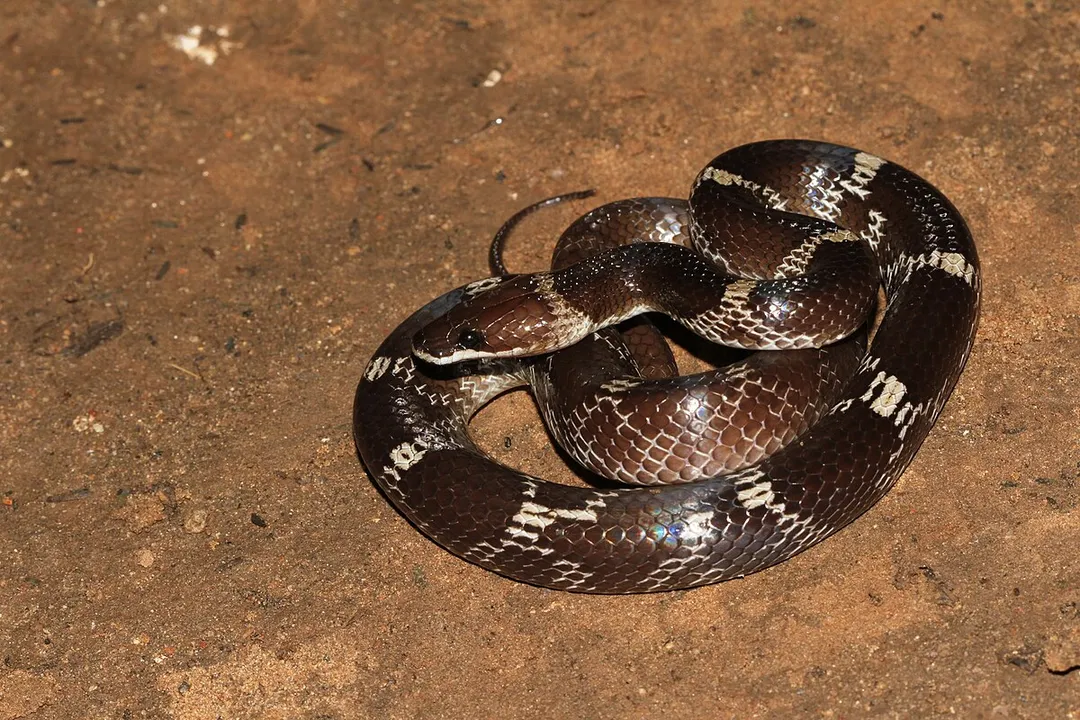
The collective geographical spread of the *Lycodon* species indicates a strong reliance on warmer atmospheric conditions. Their distribution essentially traces the tropical and subtropical regions of Asia. While the Oriental Wolf Snake exhibits some flexibility, allowing it to inhabit slightly drier pockets in South Asia, the overarching requirement for most species is a climate characterized by warmth and generally high humidity, typical of the Asian tropics and subtropics, rather than temperate or arid extremes.
Related Questions
Which wolf snake species is widely distributed across Southeast Asia and often called the "Common House Snake"?What shared ecological characteristic defines the habitat strategy for both *Lycodon capucinus* and *Lycodon aulicus*?Where is the Mountain Wolf Snake specifically noted to have a geographically restricted presence?Which major continents are cited as having no documented, established wild populations of wolf snakes?Which species exhibits a distribution range that extends from the Indian subcontinent into China and Taiwan?What prey items do wolf snakes commonly hunt when active in residential areas like Mumbai or Bangkok?In which countries do the ranges of *Lycodon capucinus* and *Lycodon aulicus* show significant geographical overlap, causing identification confusion?When are wolf snakes generally most active, providing the best window for observation away from their daytime hideouts?What general climate preference defines the overall known distribution map for wolf snakes across Asia?What is the primary basis upon which researchers might distinguish between wolf snake species in a region like Sulawesi, given overlapping presence?