Wolf Locations
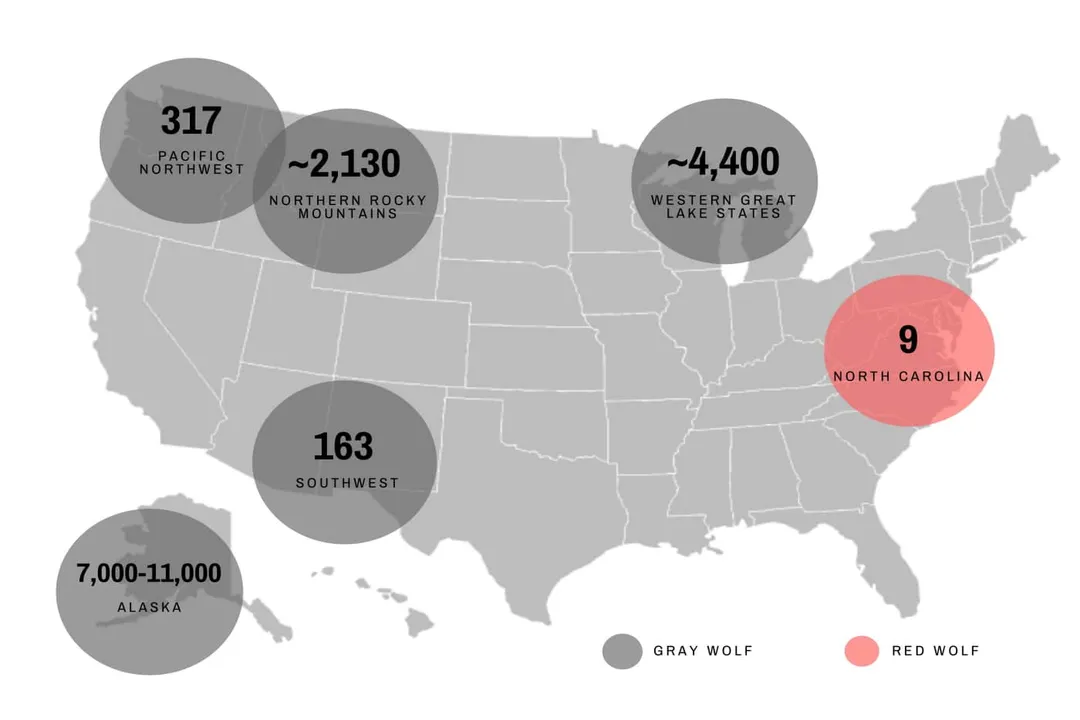
The concept of "wolf locations" immediately conjures images of vast, remote wilderness, but the answer is surprisingly varied, encompassing everything from regulated sanctuaries in the lower forty-eight states to digital landscapes and even appliance showrooms. For those seeking the true wild predator, the distribution of the gray wolf (Canis lupus) today is a fraction of its historical expanse, having been pushed out of much of Western Europe, Mexico, and the contiguous United States primarily due to persecution and habitat loss.
# Current Distribution
Globally, the gray wolf is classified as Least Concern by the IUCN due to its relatively widespread range and stable populations in certain regions. However, a closer look at North America reveals a patchwork existence where protection status dictates where they can successfully establish themselves.
Historically, the gray wolf occupied nearly all of North America north of about 20° North latitude. Today, Canada remains a stronghold, hosting an estimated 52,000 to 60,000 wolves across approximately 80% of its historical range. In contrast, the contiguous United States holds fragmented populations, often subject to complex state and federal regulations.
Key pockets of established wild gray wolf populations in the lower 48 states include:
- The Western Great Lakes States: Minnesota boasts the largest population in the lower 48, with 2,919 wolves recorded in the Winter of 2022-2023. Wisconsin holds around 1,200 (2024-2025 data), and Michigan has 762 (2023 data). Isle Royale National Park also hosts a small, managed population, estimated at 30 wolves as of February 2022, maintained through a relocation project.
- The Northern Rocky Mountains: This region includes Idaho, Montana, and Wyoming. Idaho had an estimated 1,253 wolves as of May 2024, managed with an annual hunting season. Montana reported 1,091 wolves in 2024. Wyoming’s population stood at 330 as of the end of 2024, managed under state control after being delisted from the Endangered Species Act in 2017.
- The Pacific Northwest: Oregon reported 204 wolves in April 2025, while Washington had 230 individuals in 43 family groups as of the same date. California is seeing a slow recolonization, with around 50 wolves, and the species is federally protected and endangered at the state level there.
Beyond the gray wolf, conservation efforts focus on subspecies in recovery. The Mexican gray wolf population in the U.S. totaled 286 across Arizona (124 in 2024) and New Mexico (162 in 2024). Meanwhile, the Red Wolf population in the Southeast, specifically North Carolina, is critically low, with only 18 known individuals as of July 2025.
# Colorado's New Territory
Colorado represents a dynamic new chapter in North American wolf locations. Following the passage of Proposition 114 in November 2020, Colorado Parks and Wildlife (CPW) was directed to introduce and manage the species west of the Continental Divide. Ten wolves were reintroduced in December 2023 to Summit and Grand Counties as part of this plan. By January 2025, the state population was estimated at 29 wolves.
The agency is actively monitoring these animals using satellite GPS collars. A fascinating aspect of their tracking strategy is the shift in public reporting. While past monitoring relied on tracking every confirmed sighting, CPW now uses a Monthly Collared Gray Wolf Activity Map based on GPS data. This map highlights watersheds where at least one collared wolf has been present in the prior month, a geographic unit chosen because wolves are more likely to be influenced by hydrological features than political borders. This reliance on GPS data, while crucial for management protocols, means that as the population grows with uncollared, naturally immigrating wolves, the accuracy of the publicly available map will naturally diminish over time.
| State/Region | Primary Management Status | Estimated Population (Approx.) | Key Wolf Subspecies |
|---|---|---|---|
| Minnesota | Federally delisted/State Managed | 2,919 | Gray Wolf (Canis lupus) |
| Wyoming | Population state managed with harvest season | 330 | Gray Wolf (Canis lupus) |
| Colorado | Federally and state endangered (Reintroduced) | 29 | Gray Wolf (Canis lupus) |
| Arizona/New Mexico | Federally protected (Nonessential experimental pop.) | 286 (Combined) | Mexican Gray Wolf (C. l. baileyi) |
| Alaska | Population state managed (Includes predator control) | 7,700 - 11,200 | Gray Wolf (Canis lupus) |
This comparison shows that a wolf’s "location" is inextricably linked to its legal status, dictating whether its presence is celebrated, managed through regulated harvest, or carefully monitored following a reintroduction effort.

# Viewing Opportunities Beyond the Wild
For those keen to see wolves while minimizing the risk of a surprise encounter in the backcountry, national parks and specialized sanctuaries offer reliable viewing locations. While the International Wolf Center notes there are only about seven states with any sort of established gray wolf population, facilities across the U.S. allow people to observe these animals in controlled, educational settings. This offers a distinct advantage over searching for wild packs, which can be difficult to locate given their preference for remote terrain.
It is important to note that reporting a sighting, especially one with good photographic evidence, remains extremely helpful to state agencies like CPW for monitoring populations of uncollared, potentially naturally immigrating wolves.
# Virtual and Fictional Habitats
The search for wolf locations extends far beyond biological habitats into the realm of interactive entertainment, where the term "wolf" often refers to specific digital entities with fixed spawn points. In the world of Red Dead Redemption 2, players seeking pelts for crafting specific gear, like the hunting jacket, often focus on areas with reliable encounters. Specific hotspots frequently mentioned by players include the northern regions of Ambarino, particularly around Barrow Lagoon and near Colter. Areas near Cotorra Springs and the forests north of Strawberry are also noted as common ambush or spawn locations. In contrast to real wolves, which may disperse widely, these in-game locations are often reliable, with some players suggesting that resting and returning at night increases the chances of encountering a pack, sometimes even leading to encounters with the Legendary Wolf, Lobo.
Another digital habitat is found in the game Once Human, which reportedly has 6,185 known wolf locations cataloged across its 6 maps, providing a massive, static hunting ground for in-game resources. Furthermore, the game Minecraft features multiple wolf variants, such as the Pale Wolf, Chestnut Wolf, and Snowy Wolf, each tied to specific biomes, offering another non-biological context for "wolf locations".
# Naming Conventions and Modern Contexts
It is an interesting linguistic marker that the word "Wolf" is used across such disparate fields. While naturalists track Canis lupus across watersheds and forests, an entirely different set of "Wolf Locations" refers to showrooms for high-end kitchen appliances manufactured by Sub-Zero and Cove. This juxtaposition highlights how names and brand recognition permeate consumer goods, even as the actual wild species fights for recovery across its diminished range. The real challenge for conservation is not just keeping wolves alive, but ensuring that their true locations remain wild and protected from human encroachment, something that has been the central struggle for the species across Eurasia and North America for centuries.
#Videos
How To Find Every Wolf In Minecraft 1.21 - YouTube
Related Questions
#Citations
How many wild wolves are in the United States?
7 Places You Can See Real Wolves In America
Wolf distribution - Wikipedia
Wolf - Locations & Map - Once Human
Wolf locations? : r/RDR2 - Reddit
How To Find Every Wolf In Minecraft 1.21 - YouTube
Sub-Zero, Wolf, and Cove Showroom and Retail Locations
Wolf | Red Dead Wiki - Fandom
Wolf Sightings | Colorado Parks and Wildlife