What reproductive strategy is characteristic of *Crotalus molossus*?
Answer
Viviparous, with young developing internally
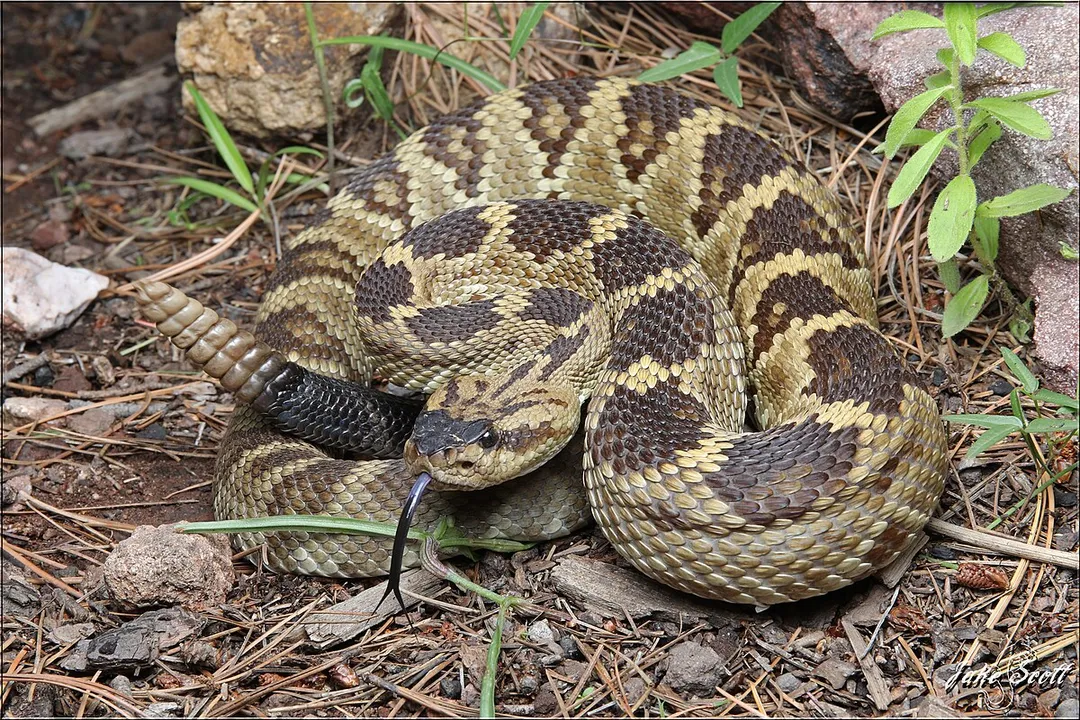
Like many other members of the pit viper family, the Black-tailed Rattlesnake employs a viviparous reproductive strategy. This means that the developing embryos grow and mature internally within the mother's body, and the young are subsequently born live. This process requires a gestation period that typically lasts around five to six months. Litters are generally delivered later in the year, usually during the late summer or early fall months. The overall size of these litters is not fixed but is often contingent upon factors such as the mother snake's size and overall health status.
Related Questions
What characteristic coloration defines the tail of mature Black-tailed Rattlesnakes?What distinct feature is often present on juvenile *Crotalus molossus* but fades in adults?What primary category describes the venom composition of *Crotalus molossus*?Which environmental feature do Black-tailed Rattlesnakes often prefer for cover and thermal regulation?What reproductive strategy is characteristic of *Crotalus molossus*?The body coloration of *C. molossus* demonstrates considerable what?Which states are specifically mentioned as home to populations of *Crotalus molossus*?What constitutes the main component of the Black-tailed Rattlesnake's diet?What defensive action precedes striking if a Black-tailed Rattlesnake feels cornered?What anatomical feature distinguishes pit vipers like *C. molossus* from non-venomous constrictors?