Welsh Black Cattle Physical Characteristics
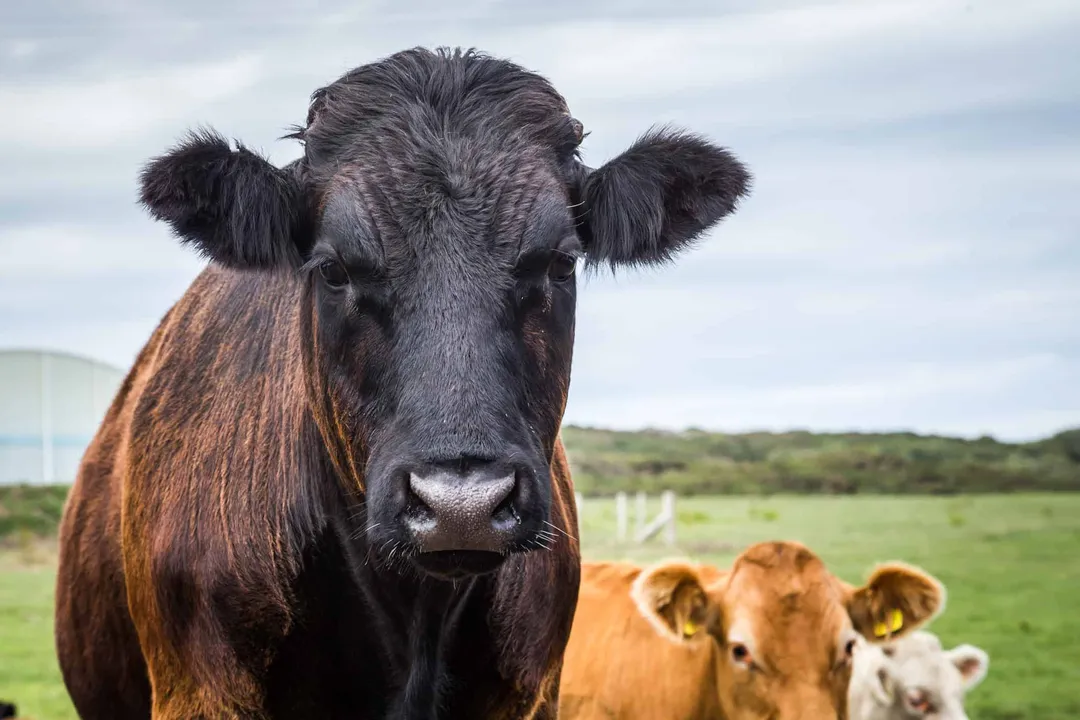
The Welsh Black cattle breed possesses a distinctive appearance shaped by centuries of necessity in the rugged landscape of Wales. They present a picture of functional hardiness rather than exaggerated modern beef characteristics, making them instantly recognizable to those familiar with British native breeds. [1][2] Their overall conformation speaks to an animal developed for efficiency in challenging environments, balancing good carcass qualities with the ability to thrive where other breeds might struggle. [3][6]
# Black Hue
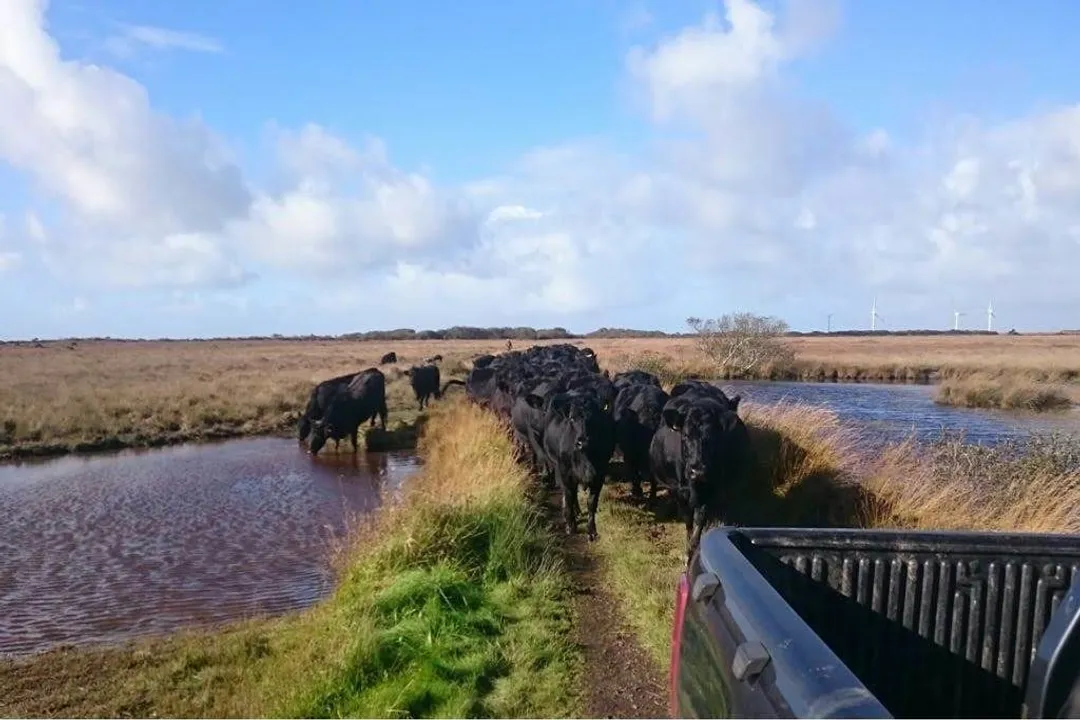
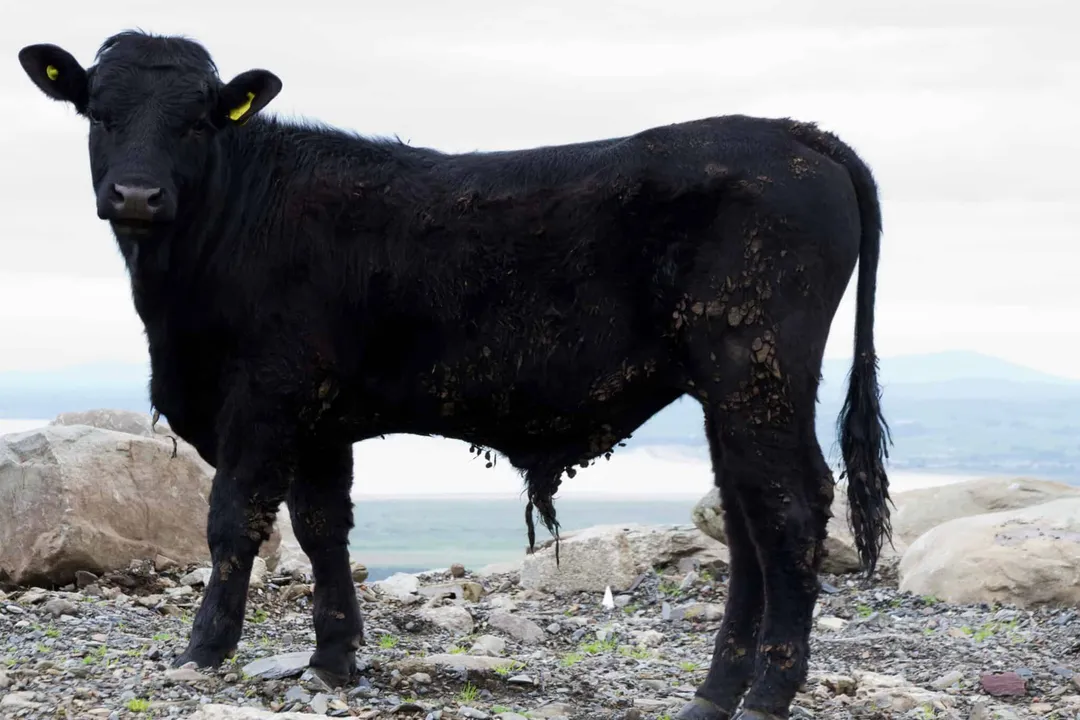
The most immediate identifier for this breed is, unsurprisingly, its color. The Welsh Black is predominantly known for its solid black pigmentation. [2][3][4][6] This deep, uniform black is the hallmark of the breed standard recognized by most associations. [1][5] However, a closer look reveals an interesting nuance in their coat genetics. While the ideal is solid black, calves born to Welsh Black dams can sometimes exhibit a reddish-brown coloration. [1][2][8] This reddish tint often fades as the animal matures, eventually turning black, but it remains a known variation within the bloodlines. [3][8]
This presence of reddish animals suggests the recessive nature of the black coat, or perhaps a historical crossing that left a trace. For breeders striving for absolute visual uniformity across a commercial herd, managing this color variance requires diligent record-keeping, as the reddish animals, despite their potential for excellent genetics, might not meet the strict visual requirements for every purebred registry. [1] The dark pigmentation itself is often advantageous, as it helps the cattle absorb sunlight in cooler climates, potentially aiding warmth and vitality during harsh winters in the upland regions where they originated. [6]
# Horn Presence
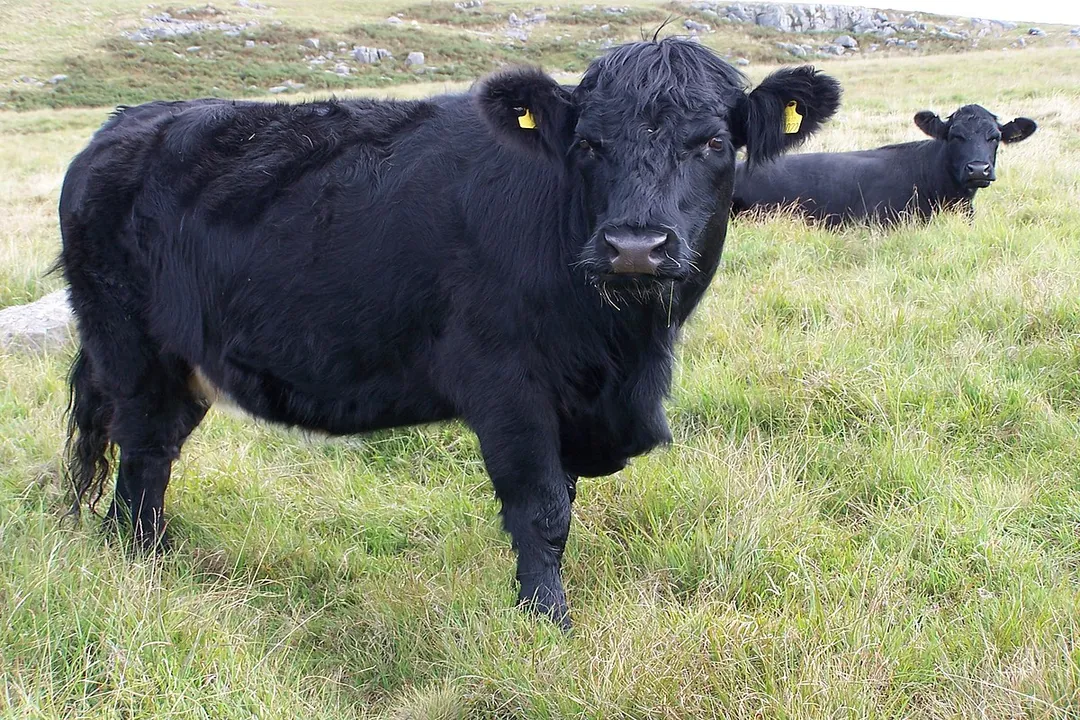
Another key physical characteristic defining the Welsh Black is the variability regarding their horns. This breed is unique in that it can occur naturally both with horns (horned) and without them (polled). [1][3][4] Historically, the breed featured horned individuals prominently. [6] Today, both types are registered and actively bred. [4]
When horns are present, they tend to emerge from just above the eyes and grow outward and slightly forward, typically having dark or black points. [4] The structure and sweep of the horns can vary significantly between individual animals, much like in other ancient breeds that have not been subjected to intense selection purely for polled characteristics. [5] Conversely, polled animals possess the genetic trait for hornlessness naturally. [1] The maintenance of both polled and horned lines speaks to a conservationist approach, preserving genetic diversity within the breed structure, which is crucial for long-term viability and adaptation to different management systems. [9] A farmer choosing a herd may select based on handling preference; polled animals sometimes simplify handling, though good horn management is routine in well-run operations. [4]
# Muscular Frame
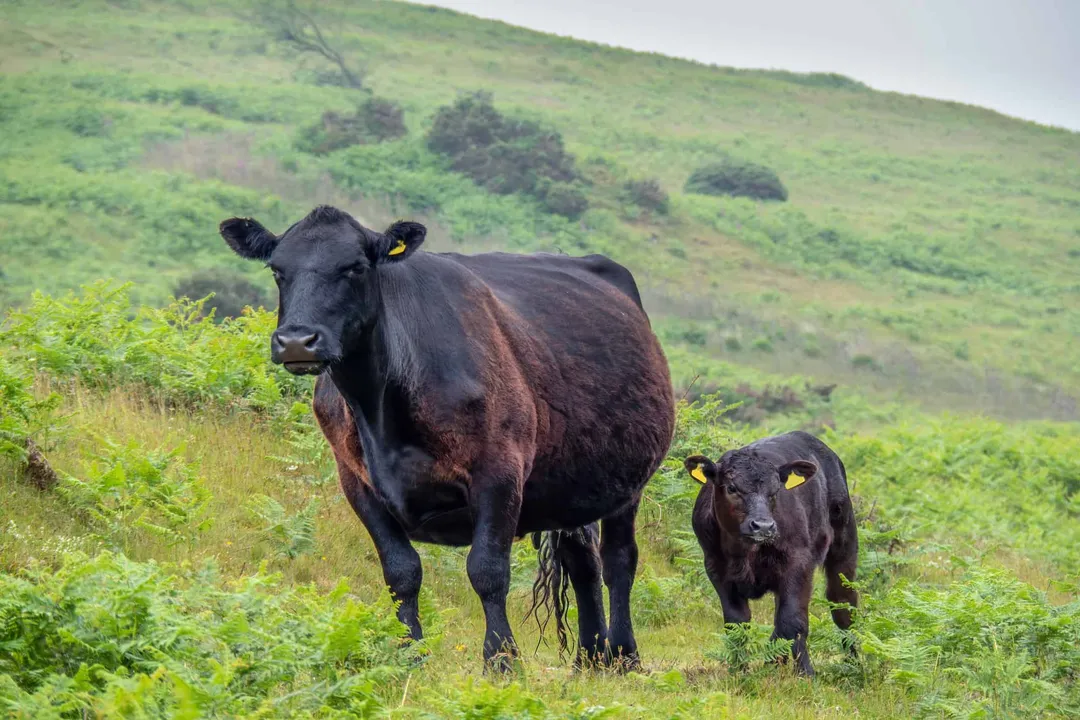
The physical structure of the Welsh Black places it firmly in the category of a dual-purpose or hardy beef breed, rather than an extreme terminal sire type. [3] They are generally considered medium-sized animals. [1][2][5] Mature bulls typically weigh between 800 and 1000 kilograms, while cows generally fall in the range of 500 to 600 kilograms, though these weights can fluctuate based on feed quality and management environment. [1][3]
The confirmation emphasizes strength and depth rather than extreme length. They possess a well-muscled frame, particularly over the loin and hindquarters, which contributes to a high-quality carcass yield. [1][5] Their bone structure is sound, supporting a hardy constitution necessary for walking significant distances over rough grazing land. [2] An interesting observation, stemming from their historical use on marginal land, is that their growth rate, while steady, is often slower than that of many continental European breeds. This slower maturation is intrinsically linked to their ability to convert poorer quality forage efficiently into muscle and marbling, rather than simply requiring high-input, high-energy feeds to bulk up quickly. [6] This efficiency on sparse pasture represents a distinct advantage for sustainable grazing systems. [9]
# Maternal Quality
When assessing the female side of the breed, their physical traits translate directly into excellent maternal performance. [5] Welsh Black cows are noted for possessing good frames that are neither too heavy nor too light, providing adequate capacity for calf rearing without becoming overly burdensome on the environment. [1]
Perhaps one of their most prized characteristics is the quality of their udders and their milking ability. [5][8] They are known to produce ample milk, allowing their calves to thrive without the need for supplementary feeding, even when the mother is maintaining condition solely on pasture. [1][3][9] This trait is essential for a breed that often calves outdoors in variable conditions. Furthermore, they exhibit strong mothering instincts and generally possess very good fertility rates, consistently producing a healthy calf year after year. [5] The combination of good conformation and reliable nursing capacity underscores why they have maintained popularity among hill farmers. [1]
# Environmental Fit
The physical characteristics of the Welsh Black are inseparable from their geographic origin. Their moderate frame, dense hide, and general hardiness are adaptations honed by the Welsh climate. [2][6] They are renowned for their adaptability and ability to thrive where other, more refined breeds might fail. [2][9]
The hide quality is substantial, offering protection against both cold winds and driving rain—a necessity in the exposed hills of Snowdonia and other upland grazing areas. [6] Their feet are typically strong and well-formed, allowing them to navigate the rocky, uneven terrain common in their native home without developing lameness issues seen in breeds less accustomed to such ground. [3] This inherent ability to forage widely and utilize a broad spectrum of grasses and roughage means that their overall condition remains good even when resources are limited. [2] Looking at the breed today, whether in New Zealand, North America, or back in the UK, this innate hardiness remains a primary physical trait that breeders seek to preserve, often leading them to select the deepest-bodied, most robust individuals regardless of slight variations in size or color grading. [9] This resilience is arguably their most valuable physical asset.
Related Questions
#Citations
Welsh Black | The Cattle Site
Welsh Black Cattle Animal Facts - Bos taurus taurus
Welsh Black cattle - Wikipedia
Welsh Black Cattle | Oklahoma State University
Welsh Black - Beef breeds - GGI-SPERMEX
The Welsh Black Cow: beauty from darkness | Gaggenau
Welsh Black Cattle Breed Facts - Facebook
Welsh Black Cattle - Rosuick Organic Farm
About New Zealand Welsh Black Cattle Characteristics