Are black-tailed rattlesnakes poisonous?
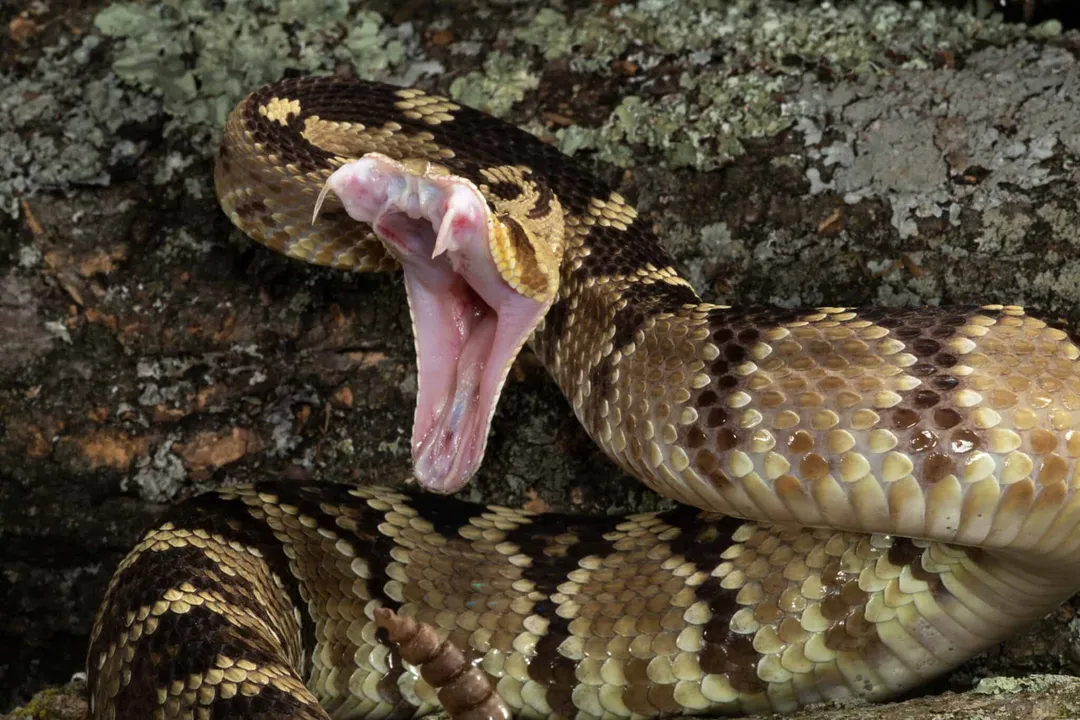
The black-tailed rattlesnake, scientifically known as Crotalus molossus, belongs to the family of pit vipers and is indeed a medically significant reptile; however, it is important to clarify the exact nature of its defense mechanism. The common terminology often confuses venomous with poisonous, but for snakes, venomous is the correct descriptor. [6] A creature is venomous if it injects toxins through a bite, which is precisely what this snake does using its specialized fangs. [6] Conversely, poisonous animals possess toxins that are harmful if touched or ingested, which does not apply to the rattlesnake’s defense strategy. While the venom of C. molossus is potent enough to cause serious injury requiring medical attention, it is generally considered to have lower toxicity compared to some other rattlesnake species native to the region. [1]
# Physical Markings
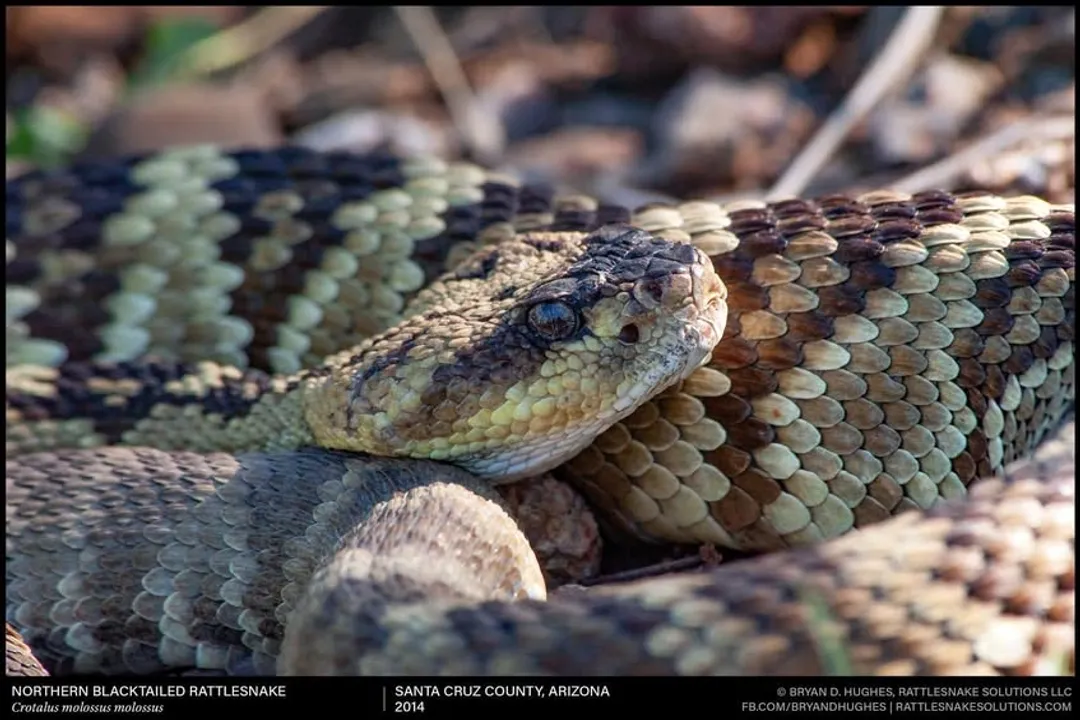
Distinguishing this snake often comes down to its namesake feature, though this can sometimes be deceiving. The black-tailed rattlesnake is generally characterized by a tail that is entirely black or a very dark brown or gray right up to the rattle segments. [1][2][6] This dark tail segment is the most reliable marker, though juveniles may display a lighter tip that darkens as they mature. [1] The body coloration, however, offers a much wider spectrum. Individuals can range from gray or brown to olive or tan, often overlaid with darker crossbands or chevron markings that are sometimes more pronounced on the anterior half of the body. [1][5] A helpful field marker, independent of the tail color, is the presence of a distinct dark band that runs across the top of the head and through the eye. [5] These snakes typically reach moderate sizes, often growing to lengths between three and four feet. [5][6] In an environment where many snakes share similar cryptic patterns, knowing that the C. molossus often exhibits this strong, dark ocular stripe can aid in identification before focusing solely on the tail end. [5]
# Locale Ecology
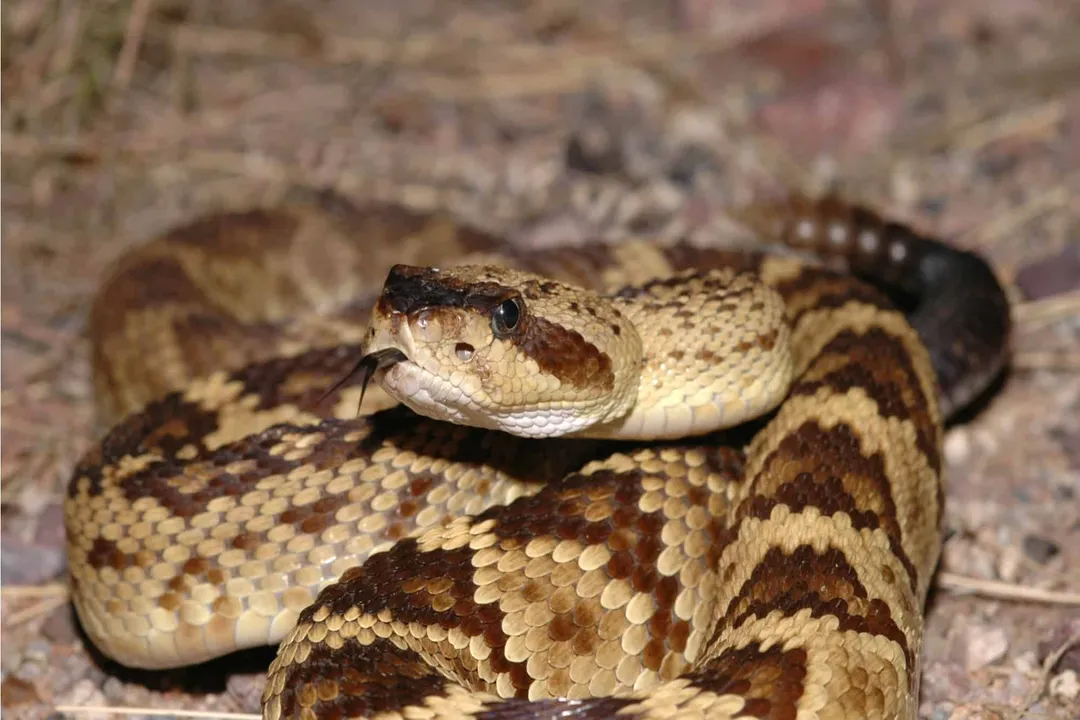
The geographical distribution of the black-tailed rattlesnake spans a significant portion of the American Southwest and into Mexico. [1][2] Specifically, its range covers states such as Arizona, New Mexico, and Texas, extending into Mexican territory. [1][5] This adaptation allows them to thrive across diverse terrains, frequently inhabiting deserts, grasslands, and rocky canyons. [1][2][5] Their varied coloration—from dusty gray to earthy brown—provides excellent natural camouflage against the scrub brush and rock formations prevalent in these arid and semi-arid regions. [5] This adaptation suggests a reliance on ambush hunting, where blending into the substrate is paramount to successfully capturing prey. [8] Considering the frequency with which these snakes are encountered in populated areas bordering wildlands, such as in places like Tucson, Arizona, their adaptability to rocky slopes and human-adjacent habitats appears quite high. [4][7] Their presence is generally an indication of a healthy, albeit somewhat rugged, local ecosystem that supports their primary food sources.
# Serpent Action
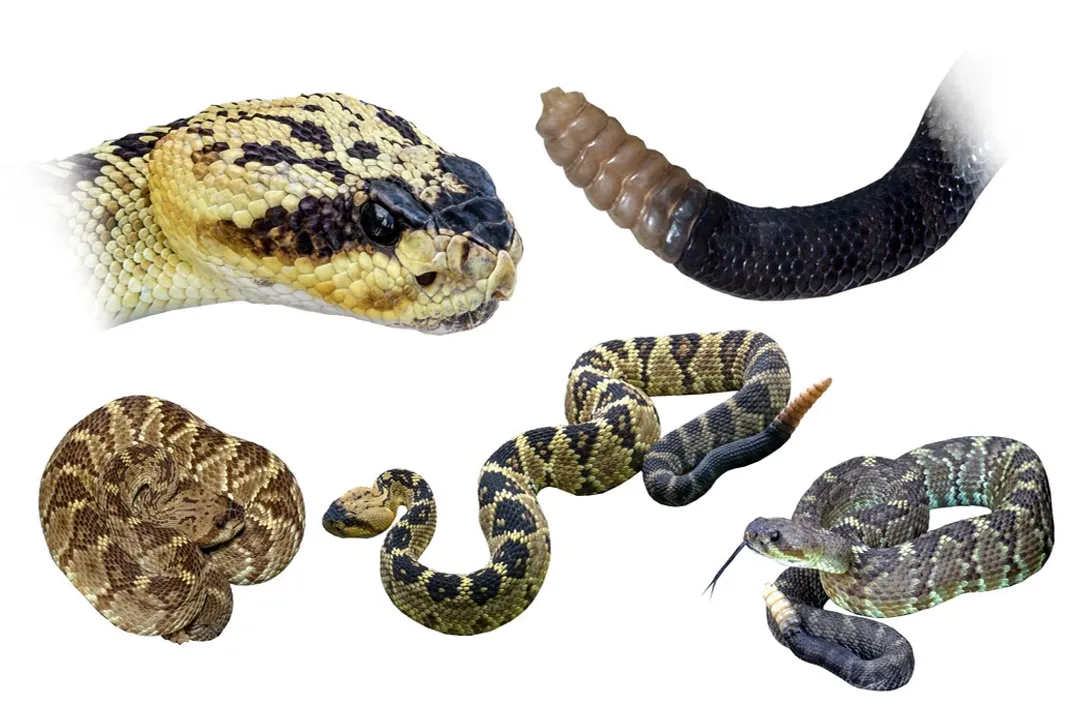
The daily activity schedule of the black-tailed rattlesnake is heavily regulated by ambient temperature. In periods of moderate weather, they are generally more active during the day (diurnal). [6] However, when summer heat intensifies, they frequently shift their behavior to become primarily active at night (nocturnal) to avoid dangerous thermal extremes. [6] These snakes are also known to be quite capable climbers, sometimes utilizing rocky outcrops or even climbing into low brush or shrubs, which can be an unexpected behavior for those accustomed to seeing rattlesnakes solely on flat ground. [6] Their diet consists mainly of small mammals like rodents, but they will also consume birds and lizards. [2][8] When they feel threatened, their initial response is usually to rattle a warning before resorting to a strike. [6] It is important to recognize that the rattle is an auditory signal designed to deter large mammals from accidental encounters, not an offensive weapon used proactively for hunting.
# Venom Effects
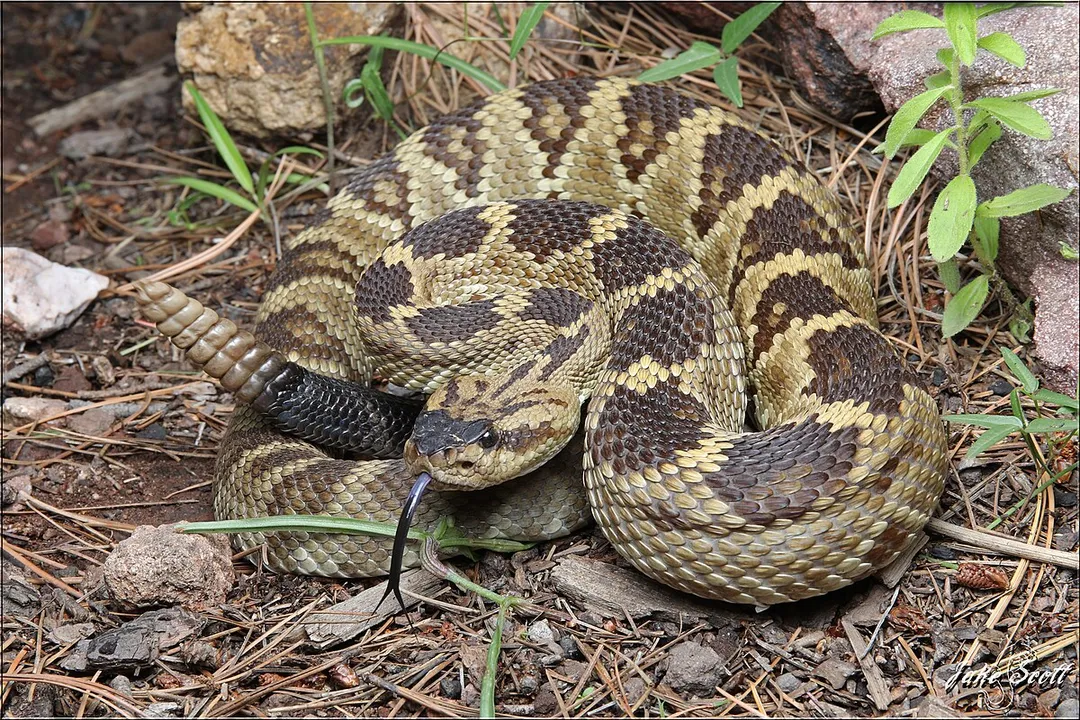
While the venom is less toxic than that of some larger rattlesnakes, a bite from a black-tailed rattlesnake is still considered a serious medical event that demands immediate professional treatment. [1] The venom itself is generally hemotoxic, meaning it targets the blood and circulatory system, causing tissue damage and potentially affecting blood clotting mechanisms. [1] Symptoms following a bite typically include intense localized pain, swelling, bruising, and potential necrosis (tissue death) around the bite site. [1] Because of the variation in venom toxicity between individuals and the differing sizes of the snakes, the resulting reaction can vary significantly from one bite incident to another. [1] This variability means that even if a bite seems minor initially, professional medical evaluation is non-negotiable to manage potential systemic effects and tissue damage effectively. [1]

# Emergency Protocol
In the unfortunate event of a confirmed or suspected bite from a black-tailed rattlesnake, adhering to established first aid guidelines is crucial for the best possible outcome. The most vital step is to remain as calm as possible to slow the spread of venom through the bloodstream. [1] Seek professional medical care immediately; contact emergency services without delay. [1] The injured limb should be kept immobilized and positioned at or below the level of the heart. [1] It is strongly recommended not to attempt capturing or killing the snake, as this often wastes critical time and increases the risk of a second strike. [1] Furthermore, conventional advice strongly cautions against archaic methods like applying a tourniquet, cutting the wound, or attempting to suck out the venom, as these practices can cause more harm than the venom itself. [1] If safe to do so, a brief photo of the snake from a distance can aid medical professionals in confirming the species, but this should never take precedence over immediate medical access. [4] If you are recreating in areas where these snakes reside, understanding the local terrain—recognizing that they favor rocky crevices and dense ground cover—allows for more careful foot placement, minimizing the chance of stepping too close to a hidden individual. [5]
# Responsible Coexistence
Understanding that Crotalus molossus is a native component of the Southwestern biome suggests that managing human interaction is far more effective than attempting eradication. If a black-tailed rattlesnake is encountered on a trail or in a yard, the safest and most ethical course of action is to grant it space. A good rule of thumb when observing any rattlesnake is to establish a buffer zone of at least six feet, recognizing that they can strike roughly half their body length, though this is a variable measurement. [6] If a snake is blocking a path, a simple, slow modification of your route is the best response. If the snake is in a residential area and requires relocation because it is too close to active human or pet areas, contacting local animal control or experienced, licensed wildlife removal specialists is the appropriate action, as these professionals possess the training and equipment to handle the situation safely. [4] Allowing these animals the space they need to pass through their territory ensures both human and snake safety, preserving the natural balance where they are found.
#Videos
How DEADLY Is The BITE Of The BLACK-TAILED RATTLESNAKE!?
Related Questions
#Citations
Black-tailed rattlesnake | Description, Venom, Range, Bite, Baby ...
Black-tailed rattlesnake - Wikipedia
How DEADLY Is The BITE Of The BLACK-TAILED RATTLESNAKE!?
Blacktailed Rattlesnake in Arizona, safety and encounters - Facebook
Black-Tailed Rattlesnake Animal Facts - Crotalus molussus
Snakes of Arizona / Northern Blacktailed Rattlesnake
Crotalus molossus (Black Tailed Rattlesnake) - Animal Diversity Web
[Tucson, AZ] couldn't coax her any further out of the crevice but I ...
Eastern Black-tailed Rattlesnake - Snake Snap