Where do rat snakes live in Texas?
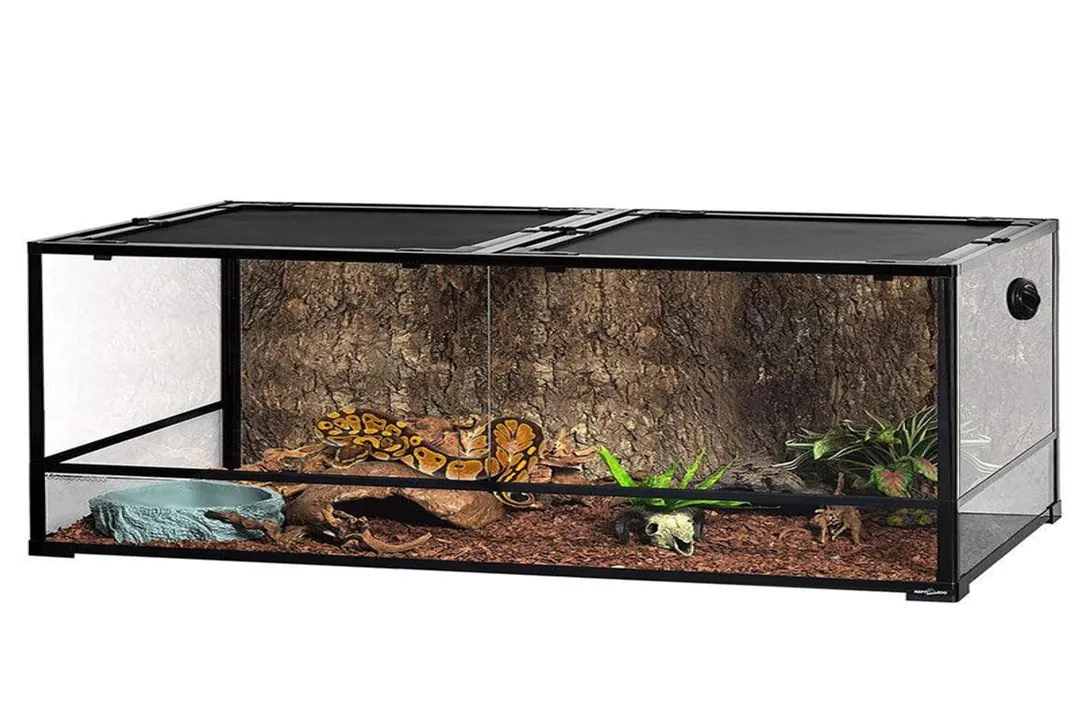
The geography of Texas is incredibly diverse, stretching from the Gulf Coast plains to the arid western deserts and the dense forests of the eastern regions. This variety in landscape naturally translates to a varied reptile population, and among the most widespread and frequently encountered snakes are the rat snakes. Understanding where these beneficial constrictors make their homes across the Lone Star State requires looking closely at the different habitats that support their primary needs: food, shelter, and security from predators. They are truly cosmopolitan residents of the state, adjusting their habits based on the local environment, whether it's a bustling suburban backyard in Houston or a remote farmhouse in the Panhandle.
# Geographic Range
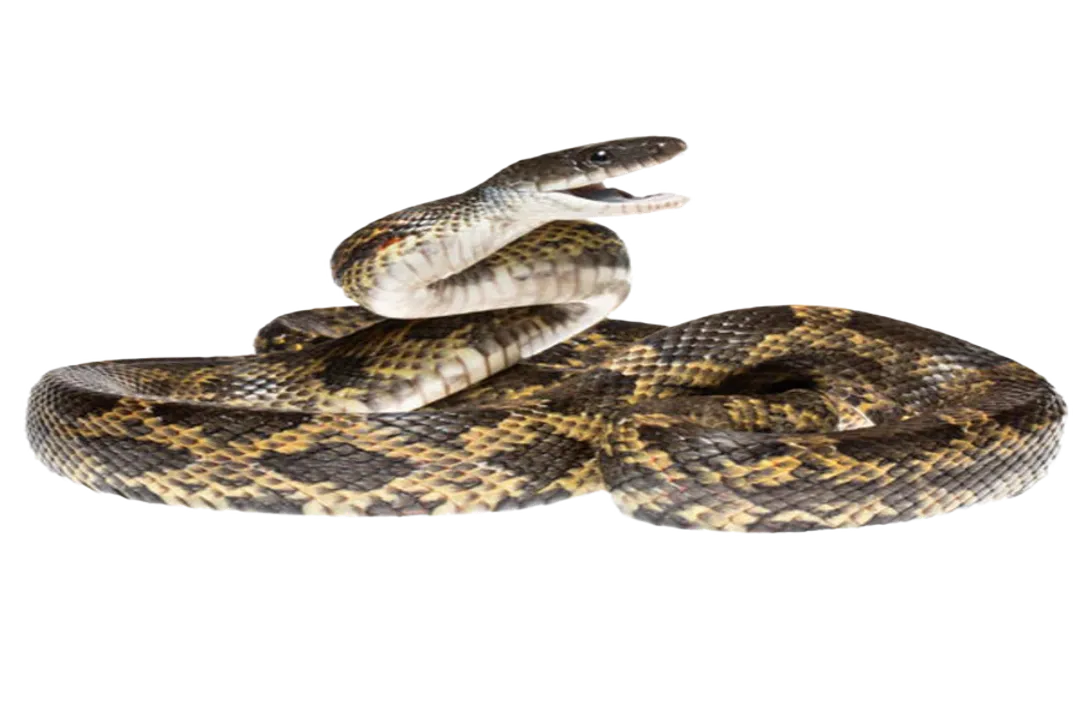
The distribution of rat snakes across Texas is extensive, covering nearly all of its diverse ecological regions, though their preferred environments within those regions vary significantly between species. Generally speaking, you are likely to find rat snakes throughout the eastern half of Texas, extending well into the central and northern areas. The primary species of concern, the Texas Rat Snake (Pantherophis obsoletus lindheimeri), exhibits a range that covers much of the central and eastern parts of the state, frequently overlapping with urban and agricultural developments.
However, it is important to remember that "rat snake" is often a general term encompassing several related species or subspecies whose ranges might not perfectly align. For instance, while the Texas Rat Snake dominates many central areas, other closely related black rat snakes or western rat snakes might occupy the more extreme edges of the state, such as the Piney Woods in the east or the drier scrublands to the west.
An interesting consideration for new Texas residents accustomed to other states is the sheer size of Texas itself. A snake spotted in a woodpile near Dallas might belong to a population whose local adaptations differ subtly from a counterpart found near San Antonio, even if they share the same common name. This geographic nuance means that while you can generally expect to see them almost anywhere, the specific type of habitat they occupy—forest, grassland, or urban edge—will change based on what is locally available.
# Habitat Preferences
Rat snakes are highly adaptable, which is a key reason for their widespread success across Texas counties. They are not strictly forest dwellers, nor are they exclusively found in open fields; rather, they gravitate toward areas that offer a productive food source coupled with ample structure for cover and overwintering.
# Structures and Cover
Shelter is paramount. Rat snakes, being non-venomous constrictors, rely heavily on camouflage and hiding spots to ambush prey and avoid detection by raptors or mammalian predators. In rural settings, this translates to an abundance of rock crevices, abandoned outbuildings, barns, woodpiles, and rodent-burrow systems. A forgotten shed or a pile of decaying lumber can become an entire micro-ecosystem for a family of rat snakes.
In more developed areas, such as the rapidly expanding suburbs around Austin or Fort Worth, the structure changes but the need for cover remains. Here, they utilize foundation voids, crawl spaces, thick landscaping brush piles, and sometimes even the interior walls of infrequently used structures. The presence of an established rodent population, often attracted by bird feeders or unsecured garbage, acts as the primary magnet, drawing the snakes closer to human habitation.
# Vertical Habitats
One notable feature of the Texas Rat Snake, particularly the lindheimeri subspecies, is its affinity for climbing. Unlike some terrestrial snakes, these serpents are excellent climbers, which dictates where they hunt and hide. They frequently ascend trees, sometimes reaching considerable heights, to search for bird nests, particularly those of pigeons or doves, or to find shelter in tree cavities. This arboreal skill also means they can be found scaling fences, utility poles, and the siding of multi-story buildings, making them occasionally visible where other snakes might remain hidden on the ground.
A common observation, often noted by homeowners who leave out birdseed, is the snake’s knack for locating nests in unexpected places. If you notice a sudden, unexplained drop-off in the number of eggs or nestlings from a birdhouse on a tall post, a climbing rat snake is a prime suspect, not necessarily a negative one, as they play a vital role in natural rodent control.
# Specific Regional Variations
While the state is large, we can broadly group Texas into zones that influence rat snake activity.
# East Texas Woodlands
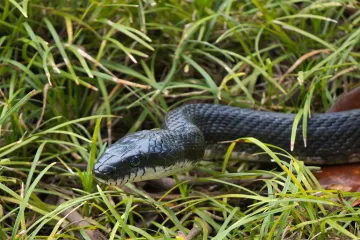
The eastern part of the state, characterized by the Piney Woods and associated deciduous forests, offers the perfect damp, heavily vegetated environment. Here, the snakes have access to dense leaf litter, ample rotting logs, and high humidity, which helps them maintain hydration. These areas are rich in ground-level prey like mice and voles, but the abundance of large trees provides excellent vertical hunting grounds.
# Central Texas Cross Timbers and Prairies
Moving west into the Cross Timbers and Prairies region, which includes cities like Waco and Fort Worth, the habitat becomes a mosaic of denser woods interspersed with open ranchland. This is prime territory for the Texas Rat Snake. The mix of woody cover along creeks and fencelines, combined with fields supporting large rodent populations, creates an ideal edge habitat. It is in these transitional zones—where human development meets native habitat—that encounters become most frequent.
# The Arid West
In the western and Trans-Pecos regions, while rat snakes can still be found, their distribution generally becomes patchier and concentrated around water sources or rocky canyons. The drier environment naturally limits the density of both prey and the snakes themselves compared to the lush east. Here, they might utilize rocky outcrops, river bottom scrub, or the foundations of isolated structures where moisture and prey concentrate.
# Human Interaction Zones
Perhaps the most relevant area for many Texans is where rat snakes overlap with human settlement. They are often found near farmhouses, ranches, and suburban properties because these areas provide an irresistible combination of shelter and food—namely, rodents attracted to stored grain, pet food, or trash.
A key difference in perceived habitat relates to identification. A snake found inside a structure is often one of the larger, darker individuals, sometimes leading people to assume they have encountered a more dangerous species simply because the snake sought the most secure hiding spot available. It’s a testament to their stealth that many people live with rat snakes nearby for years without ever realizing it, until the snake is found in a conspicuous location, like a garage or storage room. This behavior, seeking the warmth or security of a structure, is a natural survival mechanism, especially when the weather turns cool.
# Analyzing Localized Density
One point often missed when discussing Texas rat snake distribution is the impact of specific agricultural practices on local population density. For example, an area dedicated to peanut or grain farming that utilizes above-ground storage facilities will almost certainly support a much higher density of rat snakes than a purely suburban area with manicured lawns and no significant ground cover or rodent dens. The snakes are opportunists, and the presence of an easily accessible, consistent food supply outweighs the preference for pristine wilderness. If a property offers reliable rodent control targets—like barns or compost heaps—the snakes will congregate there, effectively concentrating their local "living area" even if the broader geographic range covers miles of less ideal terrain.
Furthermore, when considering their habitat use throughout the year, their preferred location shifts dramatically with the seasons. During the height of the summer, they might be found basking near rocky outcrops or hunting in the cooler, shaded woods. However, as autumn approaches, the drive shifts toward finding suitable hibernacula—places to safely overwinter, which are often deep rock fissures, abandoned wells, or the protected crawlspaces under slabs or homes. This seasonal migration means a snake seen basking in a field in August might retreat to a foundation wall a mile away by November, changing its immediate "living location" based on thermal regulation needs.
# Comparative Species Notes
While the focus is on the Texas Rat Snake, it is important to acknowledge that different subspecies or related species occupy slightly different niches, which affects their specific localized habitat use. For example, the Black Rat Snake found in the deep eastern forests might favor older-growth trees and higher canopy cover compared to its central Texas cousin, which may be more comfortable using lower scrub or man-made structures.
This variation highlights that Texas rat snakes are not a monolithic entity regarding habitat. The Pantherophis group has successfully exploited nearly every niche that provides rodents and cover, from the humid river bottoms to the drier, rockier hills, showcasing remarkable ecological flexibility within the state's borders. The key takeaway for understanding where they live is always to look for the intersection of plentiful prey and secure retreat space, regardless of whether that space is natural or human-made. Their presence is more an indicator of a healthy, functioning local prey base than a specific type of biome.
#Videos
Meet the Texas Rat Snake with Ranger Eric - YouTube
Related Questions
#Citations
Texas rat snake - Wikipedia
Texas Rat Snake | Sugar Land, TX - Official Website
This was in my moms bed, any idea what it is? (North Texas, US)
Texas Rat Snake Comprehensive Information and Care 2024
[PDF] Black / Texas Ratsnake (Pantherophis obsoletus) - ReptiFiles
What type of snake is a rat snake? - Facebook
Texas Ratsnake ID Guide - Austin Reptile Service
Meet the Texas Rat Snake with Ranger Eric - YouTube
Texas Rat Snake - ReptiChip LLC