What paradoxical effect can result from energy being deposited in concentrated mounds of pseudofeces near the shoreline?
Answer
Fueling algal blooms near the shoreline
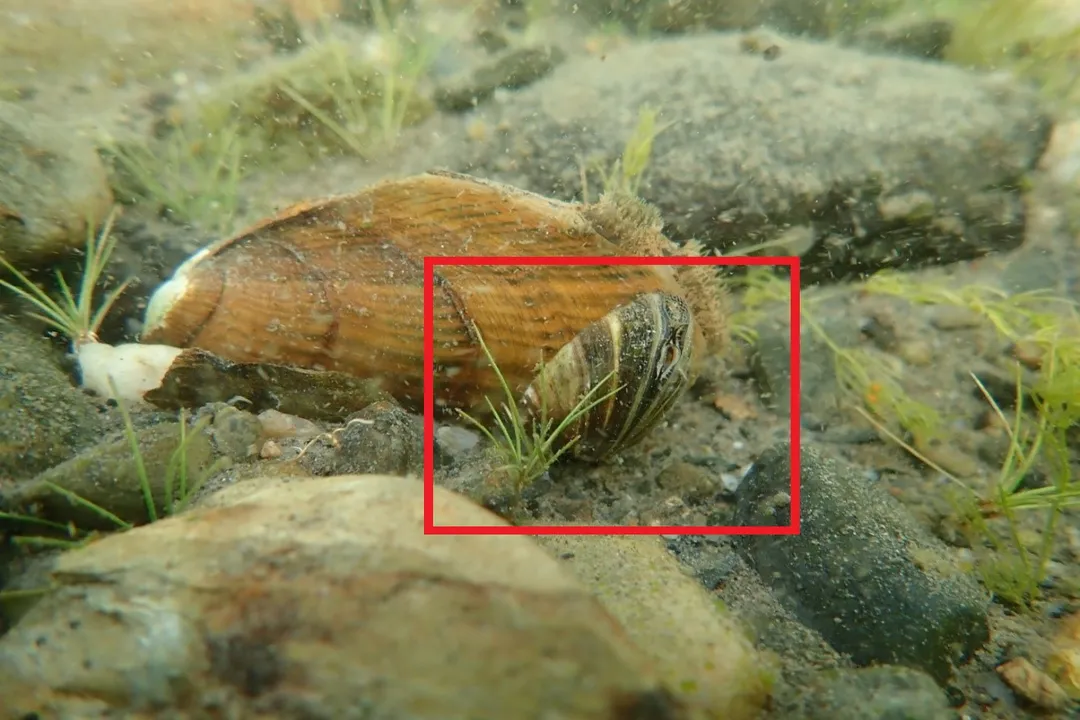
While zebra mussels remove suspended particles from the open water, the energy they process is not lost; instead, it is rapidly transformed and concentrated into waste matter called pseudofeces. When these mussels form dense mats near the shoreline, this waste deposits significant amounts of nutrients directly onto the substrate in localized areas. Paradoxically, this massive, localized nutrient concentration bypasses the filtration process and becomes readily available for other primary producers, which can subsequently lead to excessive growth, or algal blooms, specifically near the impacted shorelines.
Related Questions
What characterizes the Ponto-Caspian region, the ancestral home of *Dreissena polymorpha*?What was the primary vector for the zebra mussel's jump across the Atlantic to North America?When were the first confirmed zebra mussel detections near the Detroit and St. Clair rivers?Which immediate response mechanism often precedes true, heritable evolution upon invasion?What does natural selection begin weeding out when invaders like the zebra mussel rapidly colonize new areas?What genetic characteristic is sometimes revealed in zebra mussel populations in new locations compared to native European counterparts?If a new area has high predation pressure from native crayfish, what trait might become more prevalent in zebra mussel genes?What primary impact does the zebra mussel's massive filtration effort have on the base of the aquatic food web?What paradoxical effect can result from energy being deposited in concentrated mounds of pseudofeces near the shoreline?What factor is key in determining the long-term evolutionary path for zebra mussels spreading south?