What key skeletal features of *Xiongguanlong* allow tracking of later tyrannosauroid evolution?
Answer
The reduction in the number of fingers or structure of nasal bones
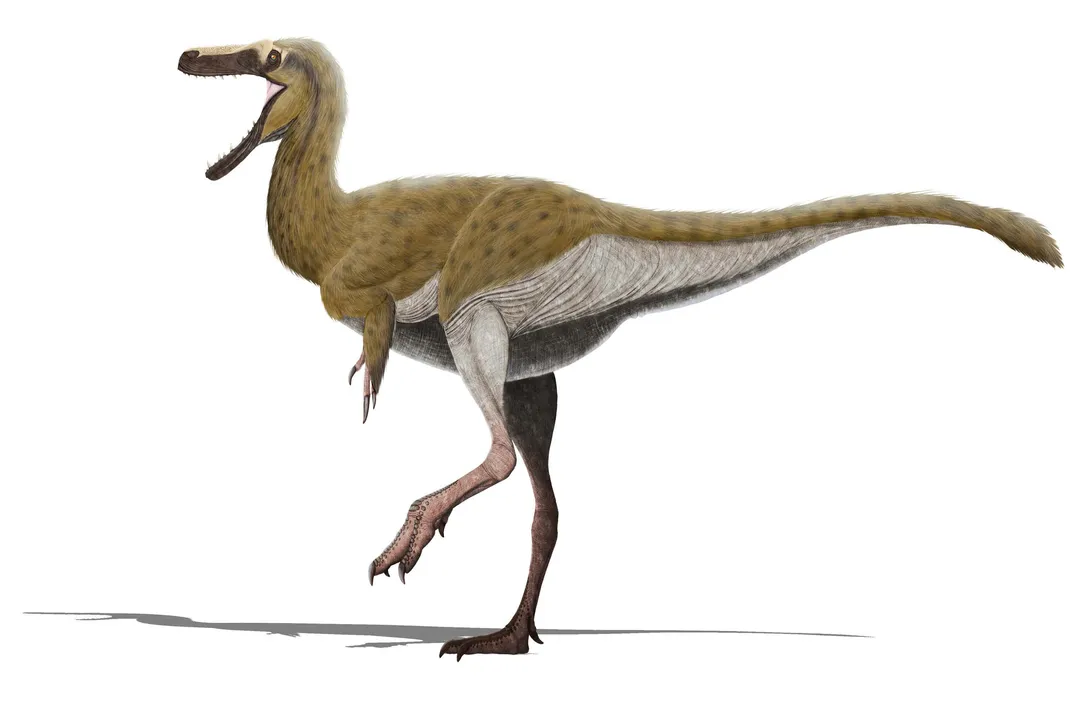
*Xiongguanlong*'s relatively complete skeleton is invaluable because it retains primitive characteristics that later evolved into defining traits of giant tyrannosaurs. Specifically, studying its nearly complete remains allows scientists to trace the origins of key features that became exaggerated later on. These include characteristics like the reduction in the total number of fingers found on the forelimbs and the specific structure of the nasal bones in the skull. By observing these features in their earlier, less exaggerated state on *Xiongguanlong*, researchers can precisely map the evolutionary steps that led toward the morphology seen in giants like *T. rex*.
Related Questions
When did *Xiongguanlong* inhabit the Earth compared to *T. rex*?What was the estimated total length of *Xiongguanlong* based on skeletal reconstruction?What location does the specific epithet *baimoutunensis* reference?What is the most defining characteristic of *Xiongguanlong*'s skull morphology?Which family groups *Xiongguanlong* with *Guanlong* and *Proceratosaurus*?To which geologic formation do the rock layers containing *Xiongguanlong* date?What key skeletal features of *Xiongguanlong* allow tracking of later tyrannosauroid evolution?Who were the paleontologists involved in the formal description of *Xiongguanlong* in 2010?What predatory niche did *Xiongguanlong* occupy relative to other contemporary Jurassic predators?What is the rough translation of the genus name *Xiongguanlong*?How does the cranial architecture of *Xiongguanlong* suggest a different predatory strategy than *T. rex*?