What is the most defining characteristic of *Xiongguanlong*'s skull morphology?
Answer
Elongated, relatively slender snout
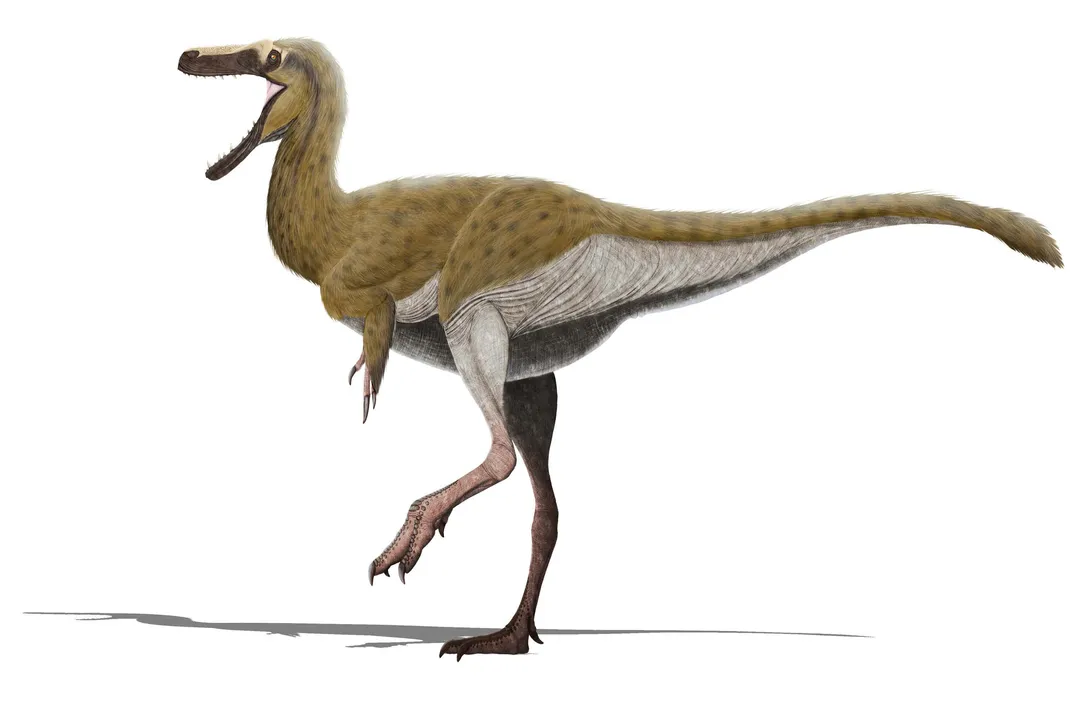
The cranial architecture of *Xiongguanlong* is its most distinguishing feature when compared to its large descendants. Unlike the heavily reinforced skulls and robust jaws that later tyrannosaurs, such as *T. rex*, evolved for maximum bite force to crush bone, *Xiongguanlong* possessed a skull described as proportionally long and narrow, featuring an elongated and relatively slender snout. This distinct head shape suggests an evolutionary divergence in predatory methods. Such morphology is hypothesized to have been better suited for quick, precise striking maneuvers, potentially targeting smaller, faster-moving prey within dense environments.
Related Questions
When did *Xiongguanlong* inhabit the Earth compared to *T. rex*?What was the estimated total length of *Xiongguanlong* based on skeletal reconstruction?What location does the specific epithet *baimoutunensis* reference?What is the most defining characteristic of *Xiongguanlong*'s skull morphology?Which family groups *Xiongguanlong* with *Guanlong* and *Proceratosaurus*?To which geologic formation do the rock layers containing *Xiongguanlong* date?What key skeletal features of *Xiongguanlong* allow tracking of later tyrannosauroid evolution?Who were the paleontologists involved in the formal description of *Xiongguanlong* in 2010?What predatory niche did *Xiongguanlong* occupy relative to other contemporary Jurassic predators?What is the rough translation of the genus name *Xiongguanlong*?How does the cranial architecture of *Xiongguanlong* suggest a different predatory strategy than *T. rex*?