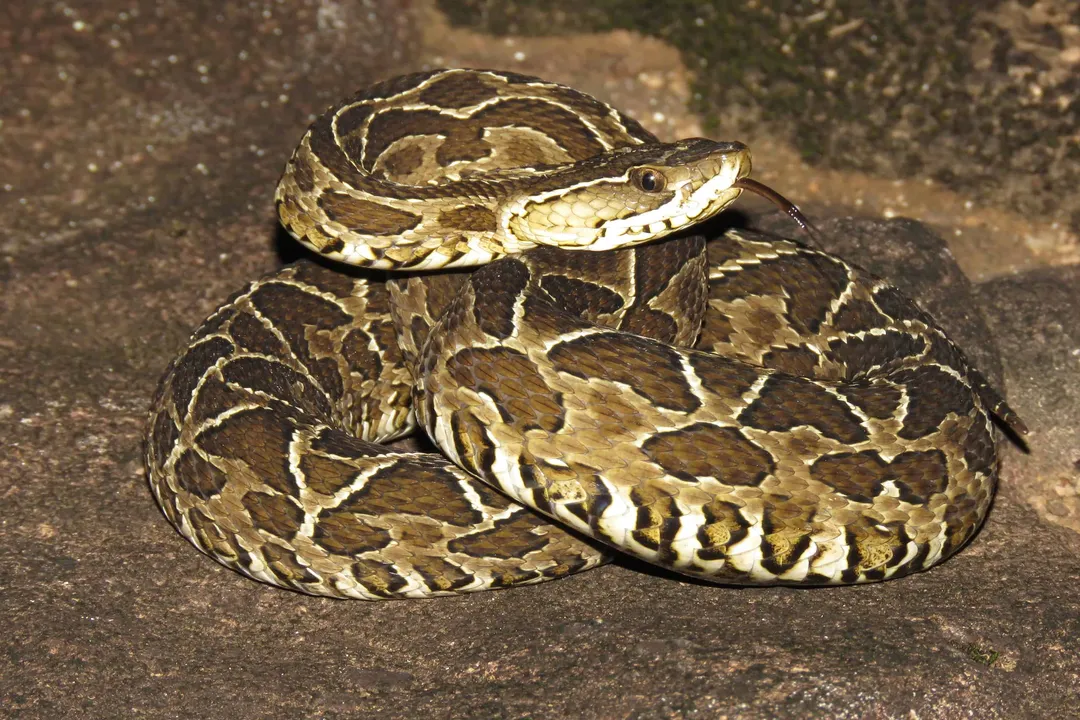
What is the evolutionary significance of delayed fertilization in female *Bothrops* species regarding offspring survival?
It allows females to store sperm and time the actual fertilization and birth (parturition) to coincide with periods of peak food availability.
The ability of female *Bothrops* to exhibit delayed fertilization is a highly refined reproductive strategy designed to maximize the survival probability of their offspring in the often unpredictable South American climate. Because reproduction in these ovoviviparous snakes involves carrying the young internally until birth, timing is critical. By storing sperm, the female is decoupled from immediate mating needs. She can then time the actual fertilization and subsequent parturition to align perfectly with environmental peaks, such as the rainy seasons, which typically correlate with the highest abundance of accessible food resources. This ensures that the relatively mature, venomous, and independent young are born when sustenance is plentiful, significantly boosting their initial chances of survival.