Yarara Evolution
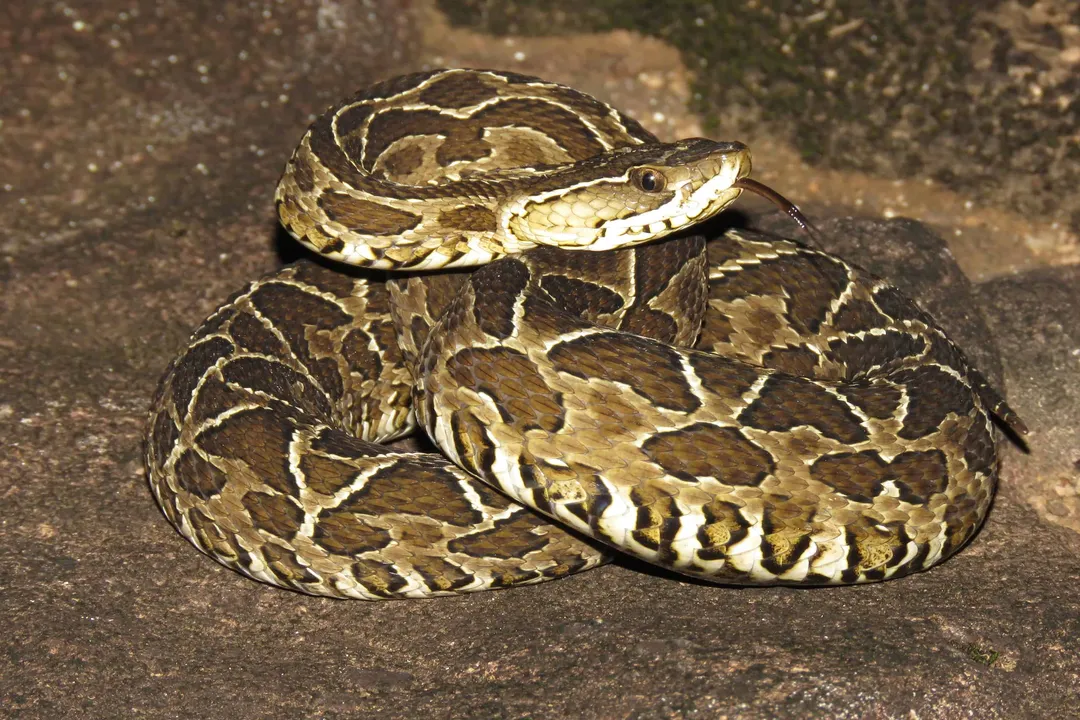
The story of the Yarara is not about a single snake, but rather an evolutionary narrative woven across several highly consequential species within the Bothrops genus of pit vipers. These snakes, often referred to collectively by the Tupi-derived name "Yarara" (meaning "large snake" in some contexts), represent a masterclass in adaptation within the Neotropical realm. To trace the evolution of the Yarara complex is to examine how powerful venom, distinct camouflage patterns, and flexible life histories have allowed related lineages to coexist and thrive across South America.
# Viper Lineage
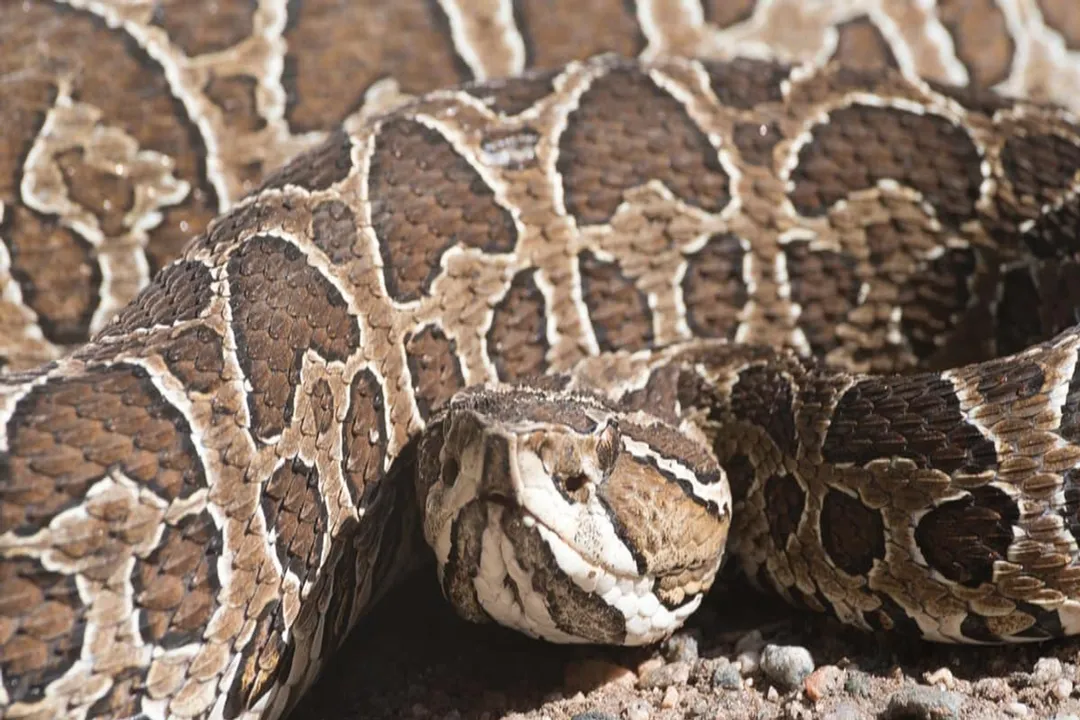
The foundation of the Yarara’s success lies in its classification as a pit viper, belonging to the subfamily Crotalinae within the family Viperidae. This places them alongside other formidable snakes like the fer-de-lance (Bothrops asper), a group known for its medically significant bites. A defining evolutionary trait shared across this group is the presence of specialized, heat-sensing facial pits, which function as infrared detectors, allowing the snake to locate warm-blooded prey even in total darkness. The genus name Bothrops itself derives from the Greek words for "pit" and "face" or "eye," directly referencing this crucial sensory adaptation.
Within this successful genus, we find distinct species that illustrate divergence, often over relatively recent evolutionary timescales. Key among them are Bothrops jararaca (the Jararaca), Bothrops alternatus (the Urutu or Crossed Pit Viper), and the massive Bothrops jararacussu. While sharing core viper characteristics, their specific distributions, morphology, and behavioral adaptations hint at separate evolutionary pressures shaping their phenotypes.
# Speciation and Habitat Niche
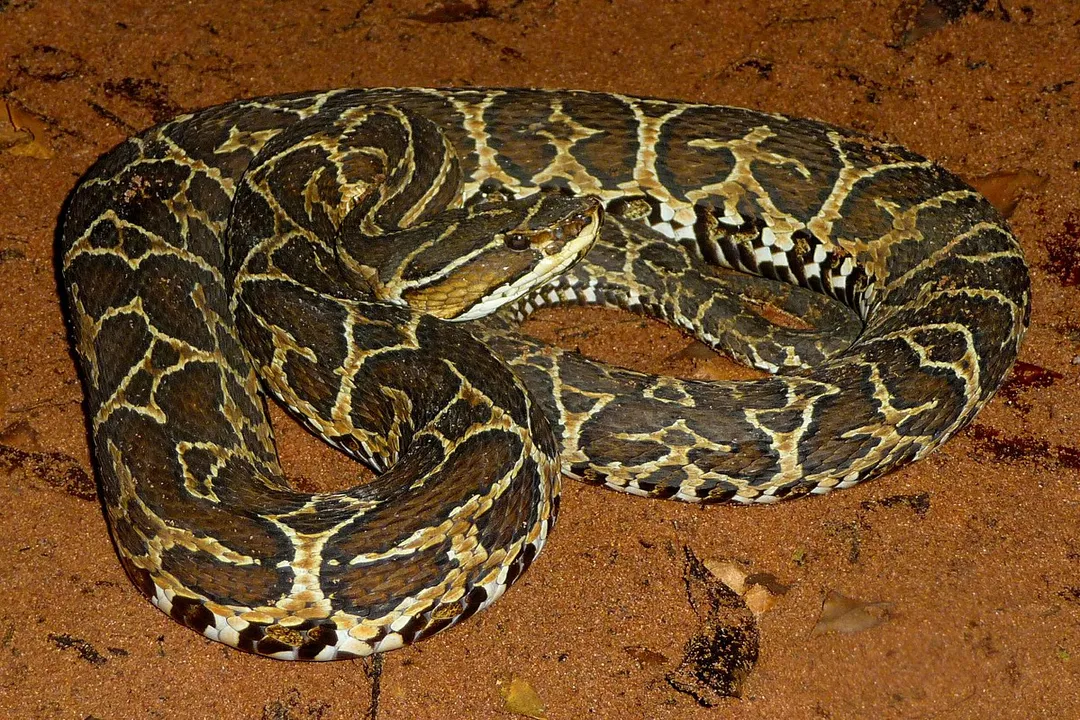
The evolution of the Yarara group is clearly marked by geographic distribution and habitat specialization. Bothrops jararaca, for instance, is tightly associated with the Atlantic Forest system, ranging through southern Brazil, northern Argentina, and northeastern Paraguay, inhabiting dense tropical forests and extending to savannas up to 1,000 meters in elevation. Its physical form is generally described as slender.
In contrast, Bothrops alternatus is known for its robust body and a wider, more temperate distribution spanning Brazil, Paraguay, Uruguay, and Argentina. This species shows a preference for humid habitats like marshes and riparian zones, but also occupies grasslands and rocky areas, suggesting a broader tolerance for varying microclimates than its forest-specialized relatives.
Bothrops jararacussu is noted for its considerable size, reaching up to 2.2 meters, and is generally found in coastal Brazil, Paraguay, Bolivia, and Argentina, often favoring Atlantic forest and semi-deciduous forest environments.
The variation in dorsal patterning across these species reflects an evolutionary response to camouflage requirements in their specific niches. B. alternatus earns names like "crossed pit viper" from its bold, chocolate-brown to black dorsolateral markings boldly bordered in cream or white, which can look like a cross or fuse into a zigzag on the tail. This vivid, high-contrast pattern is excellent for blending into the mottled light of grasslands or the varied ground cover of temperate deciduous forests. B. jararaca, while variable, features subtriangular or trapezoidal markings whose apices meet the vertebral line, suggesting a pattern better suited to breaking up the snake’s outline in dense forest foliage.
It is evident that the fragmentation of environments, particularly the historical changes to the Brazilian Atlantic Forest, has acted as a significant driver of diversification within the Bothrops complex, leading to reproductive isolation and the refinement of species-specific traits. For example, while B. jararaca is adapted to the forest matrix, the successful habitation of B. alternatus in open grasslands suggests a successful divergence from the ancestral forest-dwelling type, possibly involving changes in scale counts or body proportions that favor terrestrial movement.

# Venom: A Product of Lifelong Adaptation
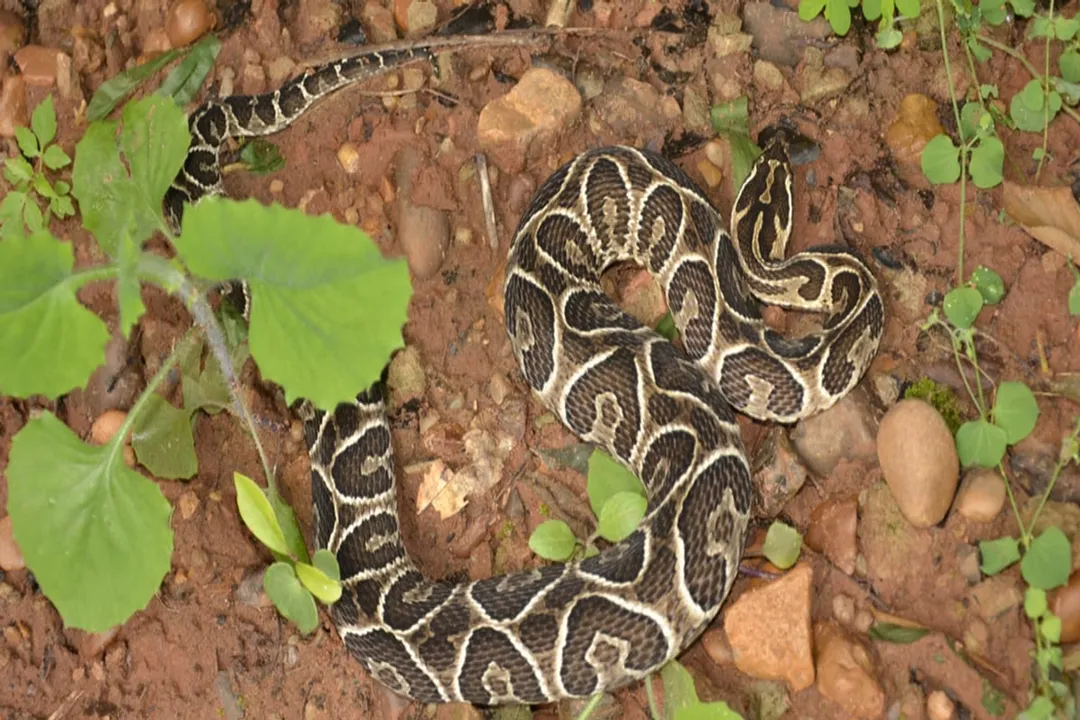
Perhaps the most compelling aspect of Yarara evolution is the modification of their venom, an adaptation under intense selection pressure from both prey capture and predator defense. The venom of these species is a complex cocktail of proteins, including phospholipases A2 (PLA2s), metalloproteinases, and serine proteases, all leading to hemorrhagic, necrotic, and coagulant effects.
# Sexual Toxin Dynamics
The case of B. jararaca reveals a profound evolutionary split in venom strategy based on sex, demonstrating sexual dimorphism in toxin expression. Females, which are significantly larger, produce venom that is generally more lethal, potent in hemorrhagic and hyaluronidasic activities. Males, conversely, exhibit venom with greater potency in coagulant, phospholipasic, and myotoxic activities. This difference suggests a history of niche partitioning between the sexes, perhaps reflecting slight variations in preferred prey size or hunting style that favor different enzymatic profiles for efficient digestion or immobilization. The fact that females can store sperm and exhibit delayed fertilization also speaks to a highly evolved reproductive strategy designed to maximize offspring survival under fluctuating environmental conditions.
# Ontogenetic Venom Shifts
Further complexity arises when looking at the snake’s development. Juvenile B. jararaca venom exhibits a greater anticoagulant effect compared to the venom of adults. This change correlates directly with a distinct ontogenetic diet shift: juveniles primarily consume ectothermic prey like frogs and arthropods (up to 75% of the diet), while adults focus heavily on endothermic prey, primarily rodents (up to 80% of the diet). The shift in venom profile appears to be an evolutionary tuning—the younger snake’s venom is optimized for rapidly neutralizing the blood chemistry of cold-blooded meals, while the adult venom is tuned for larger, faster-recovering, and warmer-blooded mammals. This transition in hunting strategy and venom composition represents an elegant evolutionary solution to minimize competition between the young and the adults of the same species.
The development of angiotensin-converting enzyme (ACE) inhibitors for human hypertension treatment, derived from a peptide in B. jararaca venom, is a testament to the long-term evolutionary utility of these complex toxins.
# Behavioral Evolution and Survival
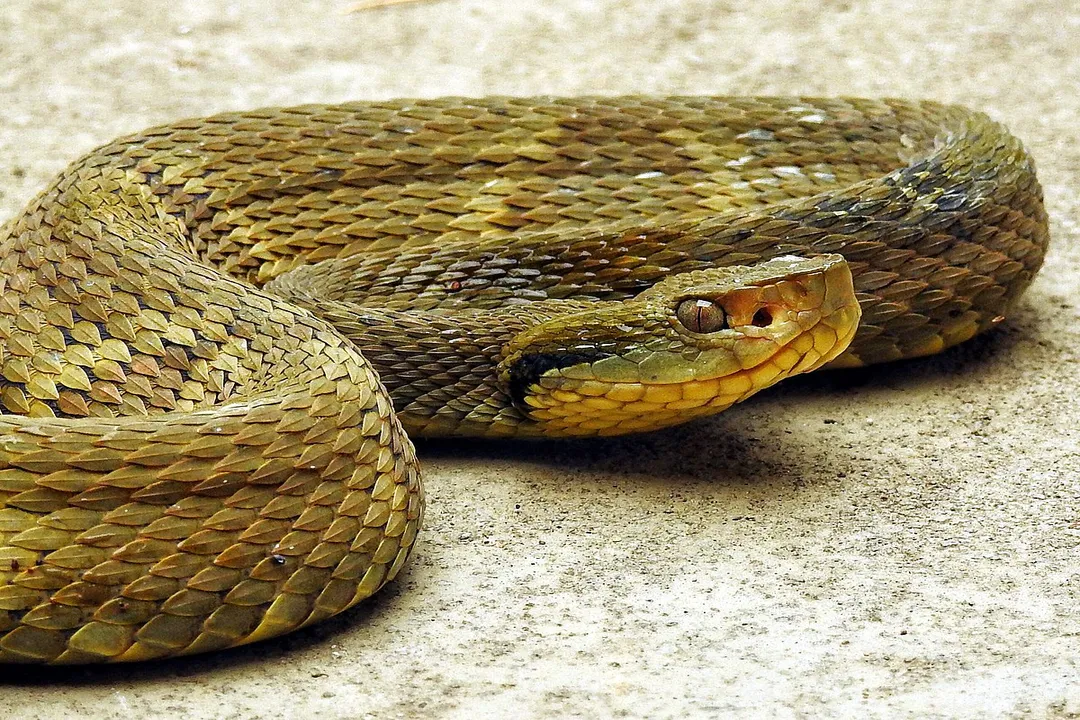
Beyond morphology and venom, the Yarara’s behavior showcases adaptive evolution, particularly in how they deal with prey and avoid larger threats. B. jararaca juveniles display caudal luring—wiggling the distinctively white tip of their tail to mimic an insect larva to attract small prey. This specialized behavior likely evolved in arboreal young to supplement their diet when more accessible prey items were scarce, offering a clear survival advantage.
When considering predator avoidance, both B. alternatus and B. jararaca rely heavily on their camouflage—cryptic coloration being a primary defense. However, they also possess behavioral flexibility. While adults are often terrestrial and sedentary ambush predators, the young of some species exhibit more arboreal tendencies, a likely adaptation to avoid terrestrial predators like the white-eared opossum, which has been observed to successfully hunt and kill these vipers. An interesting, though less detailed, facet mentioned for B. alternatus is the potential for congregation during mating season, suggesting that while generally solitary, they can engage in temporary social behaviors when reproduction requires it.
If we examine the physiological constraints imposed by habitat, the more robust build of B. alternatus compared to the slender B. jararaca suggests an evolutionary path favoring bulk and strength for navigating varied, perhaps more open and temperate, environments. The larger size of B. alternatus females, who can be significantly bigger than males, points toward strong selection for female reproductive output, where greater body mass allows for a larger clutch size, potentially up to 24 embryos.
# Synthesizing Evolutionary Pressures
The collective evidence across these species suggests that the diversification within the Yarara group was not driven by a single factor but by a combination of habitat stability, prey availability, and sexual selection dynamics. The clear split in B. jararaca venom between sexes provides a fascinating case study in evolutionary divergence within a single population. The venom’s composition acts like a living record of the nutritional history and immediate challenges faced by the lineage. For instance, the potency of female venom potentially reflects selection for quickly dispatching larger, stronger rodent prey that constitutes the bulk of their adult diet, while male venom might be optimized for different targets or defensive needs.
Considering the geographic separation and habitat preferences—the deep forest specialist versus the grassland/marsh generalist—it is plausible that different selective pressures related to thermal regulation and substrate matching drove the divergence in body shape and pattern complexity. The highly geometric, high-contrast patterning seen in B. alternatus seems specifically tailored for environments where sunlight filters through patchy vegetation or reflects off open, damp ground, contrasting with the potentially more subdued, yet still cryptic, markings of the deeper forest B. jararaca. This difference in primary habitat selection likely solidified reproductive barriers, pushing the species along separate evolutionary tracks within the same broader region. The success of the entire Bothrops genus, and by extension the Yarara clade, rests upon this ability to finely tune fundamental mechanisms—sensory input, camouflage, and biochemistry—to exploit highly specific ecological roles.
# Final Considerations on Longevity and Resilience
These snakes possess a notable lifespan, often recorded in captivity or estimated between 10 to 20 years in the wild. This longevity, combined with their ovoviviparous reproduction—where young are carried internally until birth—ensures that offspring are born relatively mature, venomous, and independent, maximizing initial survival chances. The strategy of delayed fertilization in females, allowing them to store sperm and time parturition with peak food availability (often correlated with rainy seasons), further underscores the evolutionary refinement aimed at maximizing offspring success in the unpredictable South American climate. This combination of potent defense, specialized hunting at different life stages, and flexible reproduction solidifies the Yarara's evolutionary standing as a dominant and adaptable presence in the New World's venomous snake fauna.
Related Questions
#Citations
Bothrops jararaca - Wikipedia
Yarara - Bothrops alternatus - A-Z Animals
Bothrops jararaca - Animal Diversity Web
Bothrops jararacussu - Facts, Diet, Habitat & Pictures on Animalia.bio
Yarara Facts & Photos - Wowzerful
Yarara Spiritual Meaning and Symbolism | Astrology.com
Yarará | snake - Britannica