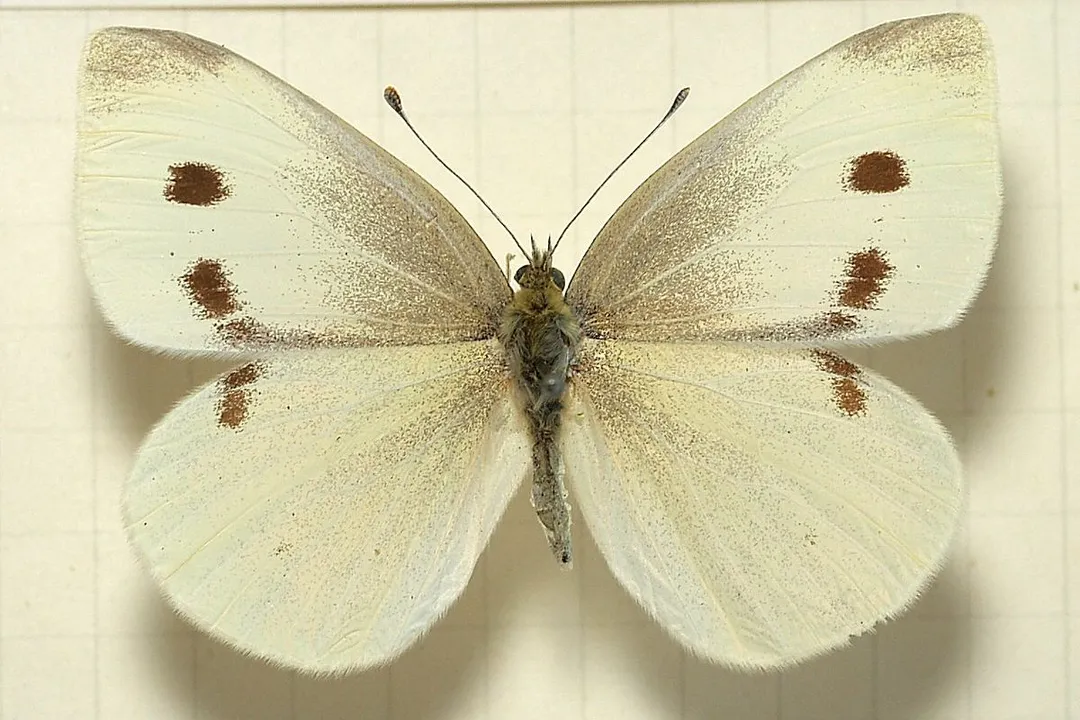
What is suggested about *P. rapae*'s evolutionary success in human-altered landscapes?
That generalist status can equate to being a rapidly evolving specialist within the brassica family
The rapid adaptation observed in the *Pieris rapae* genus suggests that being a 'generalist' in the context of the Anthropocene does not mean being static. Instead, it means possessing the genetic flexibility to rapidly evolve specialized traits—specifically regarding detoxification pathways—to cope with the diverse, yet chemically related, suite of plants found within the broad brassica family across different agricultural zones. This dynamism shows that success in human-altered landscapes often translates directly into measurable genetic shifts over short timescales, contrasting sharply with highly specialized insects that vanish when their single host plant declines.