How did the vast geographical spread of *P. rapae* outside Eurasia primarily occur?
Answer
Through human-mediated dispersal linked to the cultivation of brassicas
The extensive global distribution of *Pieris rapae* is closely connected to human agricultural expansion, illustrating a clear case of anthropogenic influence on evolution and range shifts. The widespread cultivation of brassicas, such as cabbage and broccoli, across North America, Australia, and other regions created instant, large-scale, reliable food sources that the butterfly was pre-adapted to exploit. This accidental, human-aided transport allowed the species to bypass the slow, natural geographical barriers that usually limit species spread, subjecting the colonizers immediately to new selective pressures from novel climates and enemies.
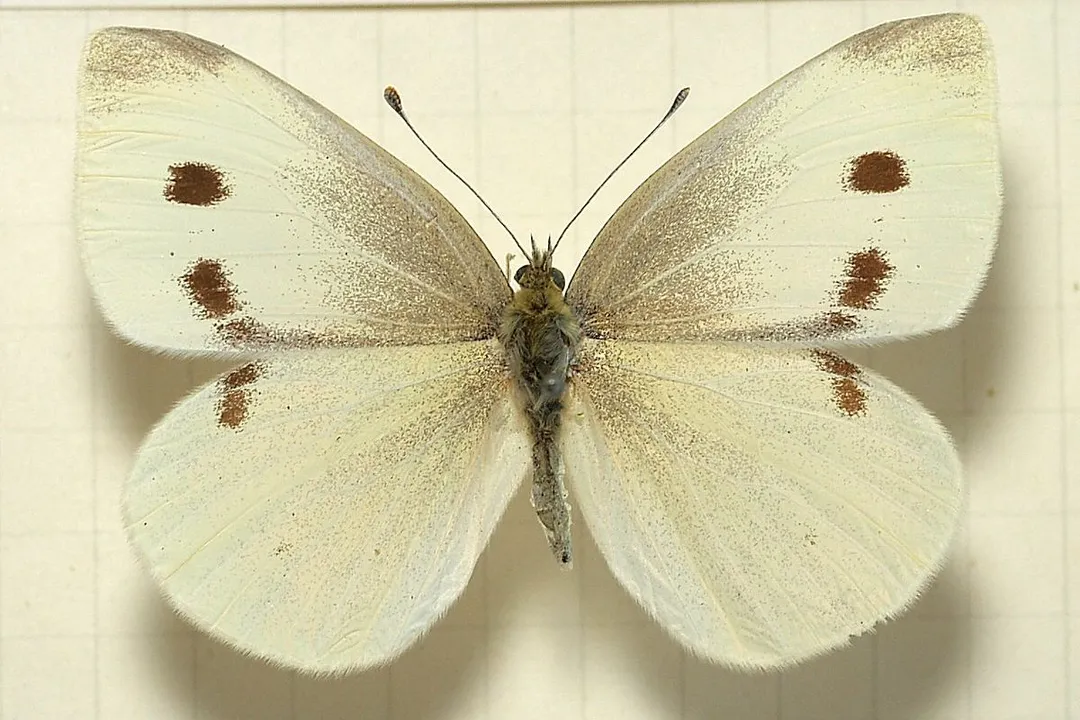
Related Questions
Which plant family serves as the primary food source for voracious *Pieris rapae* caterpillars?What specific plant defense compounds must *Pieris rapae* caterpillars evolve mechanisms to tolerate?How did the vast geographical spread of *P. rapae* outside Eurasia primarily occur?What strategy compensates for the visual risk of *Pieris rapae*'s conspicuous white coloration?What is suggested about *P. rapae*'s evolutionary success in human-altered landscapes?What fundamental genetic concept drives the ability of *Pieris rapae* to rapidly exploit new environments?Which behavior minimizes detection when a *Pieris rapae* butterfly is resting?If divergence in glucosinolate tolerance is mapped globally for *P. rapae*, where might divergence rates in detoxifying pathways be highest?What characteristic feature is specifically noted as being more visible on female *Pieris rapae* wings?When *P. rapae* colonizes a new continent, what factors primarily filter the initial successful individuals?