White Bass Evolution
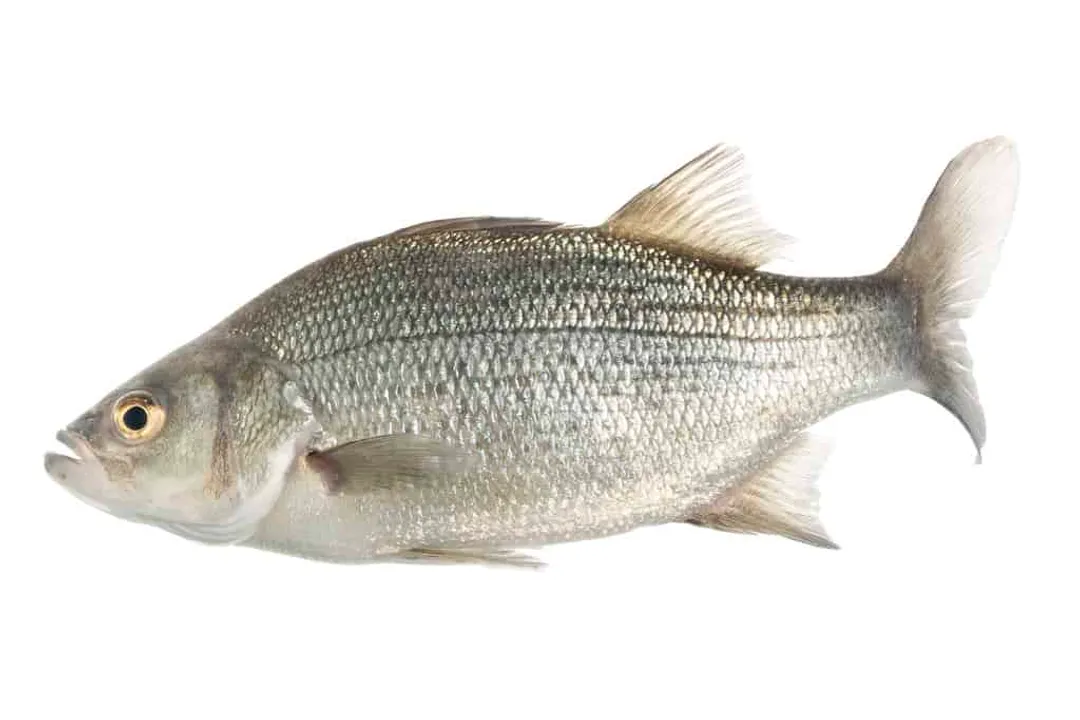
The silver-white shimmer of Morone chrysops, the white bass, offers more than just a rewarding fight for the angler; it represents a fascinating case study in adaptive success within the North American freshwater landscape. This species, closely allied with the iconic striped bass and the less famous yellow bass, occupies the temperate bass family, Moronidae. To discuss the "evolution" of the white bass is to trace the path of specialization that has allowed this schooling fish to colonize vast waters, shift its behavior in response to environmental change, and even successfully interbreed with its close relatives.
# Temperate Kinship
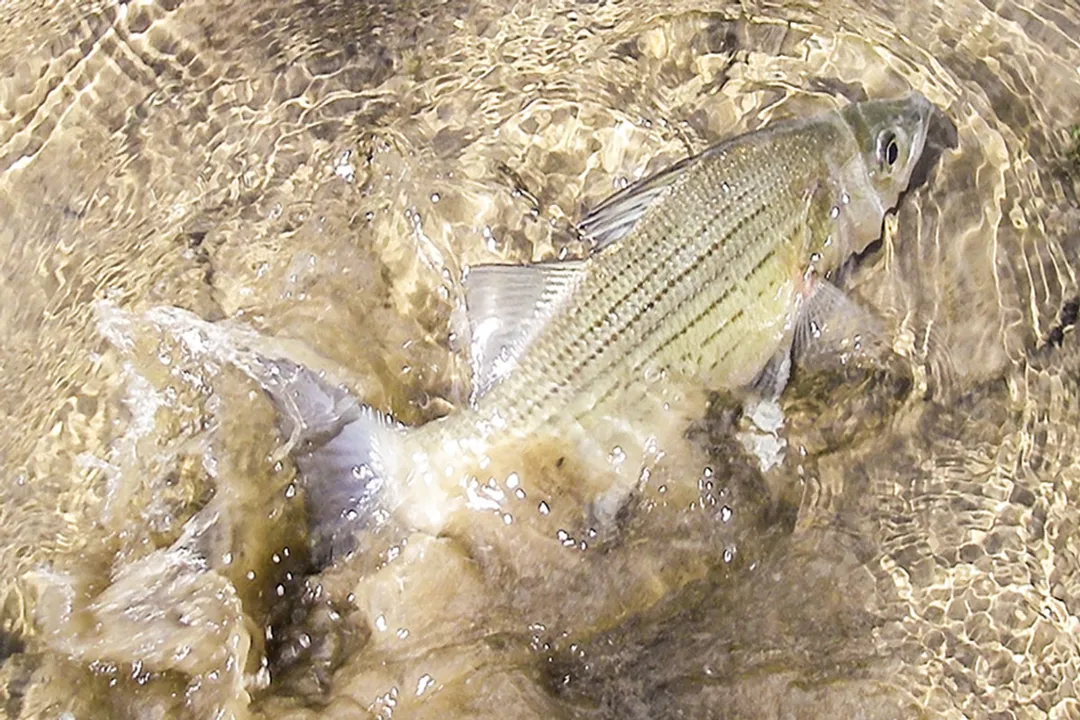
The Morone genus itself showcases distinct evolutionary divergence, primarily splitting along habitat lines—saltwater versus freshwater—although the white bass belongs firmly to the freshwater group alongside the yellow bass and white perch. The white bass's scientific epithet, chrysops, is a nod to its "golden eye," a beautiful detail often obscured by its primary coloration of silver-white to pale green with a dark back. Distinguishing it from its cousins requires careful observation. While the striped bass possesses two distinct tooth patches on the back of its tongue, the white bass has only one, a critical identifier used in many regulation guides. Furthermore, the degree of stripe continuity differs; the white bass exhibits narrow, horizontal dark stripes that are often broken or offset on the upper sides, with only a single stripe running unbroken along the lateral line, setting it apart from the fully striped patterns of its anadromous relative.
The placement within the family has a tangible effect on its ecological history. While historical belief suggested a direct descent from the striped bass, modern DNA analysis indicates a closer, yet independent, relationship between the white bass and striped bass than either shares with other species. Intriguingly, studies of mitochondrial DNA within M. chrysops itself have revealed distinct genetic lineages, suggesting past geographical isolation or localized adaptation across its native range, perhaps involving populations that evolved separately east of the Appalachians and in western Canada before reconnecting.
# Rapid Life Strategy
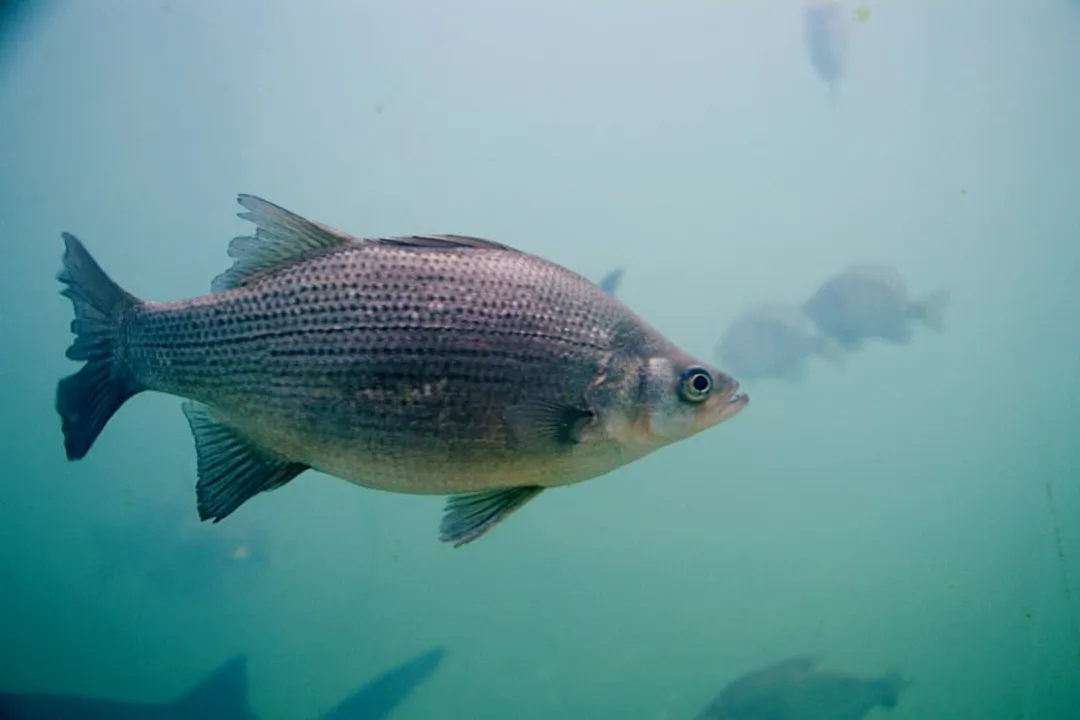
One of the white bass’s most defining characteristics, and a hallmark of a successful, specialized species, is its life-history strategy centered on speed. They exhibit remarkably rapid growth. In some documented cases, fry that hatch in days can reach lengths of 8 to 10 inches within their first year. This quick ascent is essential for survival. The species has a relatively short lifespan; it is rare for white bass to survive much beyond their third year, with an average life expectancy hovering around four to five years, though some hardy individuals can reach nine years.
The acceleration of growth directly impacts reproductive maturity. In southern populations, females may reach sexual maturity in about two years, while in northern locales, this process can take significantly longer. In a detailed 1951 study of Herrington Lake, males achieved maturity around 8.5 inches, while females matured slightly later at about 10.4 inches. This early maturity, coupled with high fecundity—females releasing up to a million eggs, albeit with only half being viable—suggests an evolutionary pressure to reproduce quickly before mortality claims them. This contrasts with the slower growth and longer life cycles often observed in related, but perhaps less environmentally flexible, species like black basses.
Their physical adaptations support this high-octane lifestyle. They are built as efficient, schooling predators, favoring open water where they can spot prey and use coordinated tactics to drive food sources—like gizzard shad—to the surface in a spectacular event sometimes called the "jumps".
When considering this life strategy, it’s valuable to note the trade-off: the rapid growth documented in systems where food like gizzard shad is abundant results in smaller overall body size compared to their maximum potential. The largest recorded specimens, topping out near 7 pounds, are statistical outliers, suggesting that in most productive ecosystems, the dominant evolutionary success factor isn't maximum size, but first-year recruitment and subsequent rapid harvest of resources before natural attrition occurs.

# Ecological Plasticity and Range Expansion
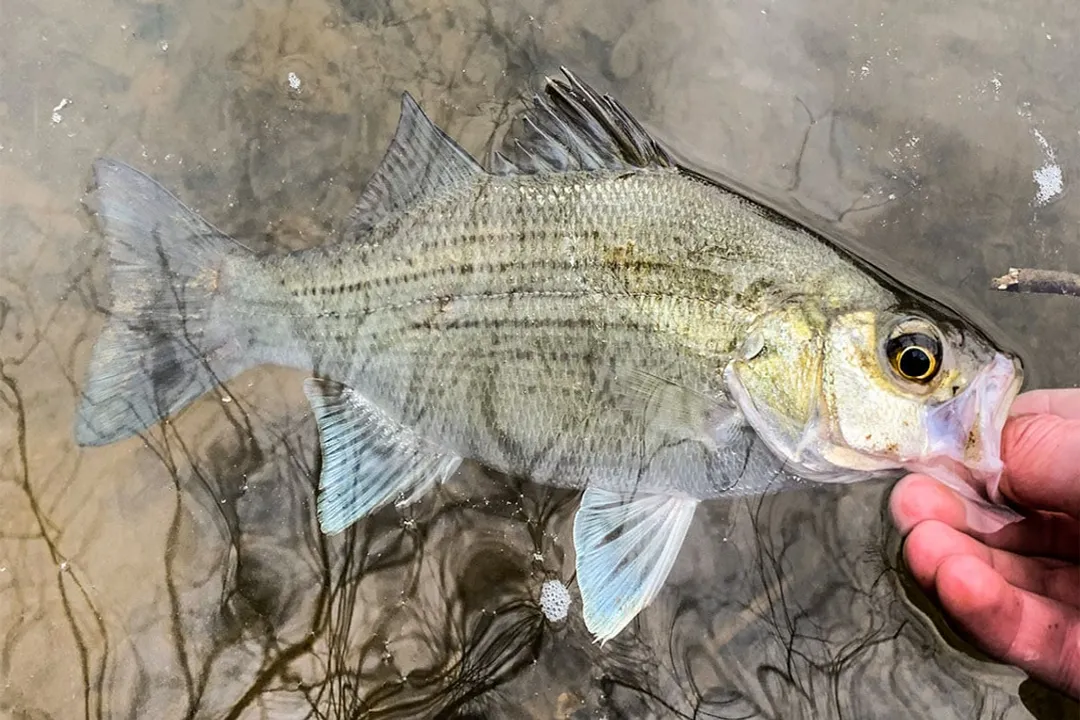
The native distribution of the white bass was historically centered in the central United States, west of the Appalachians, spanning the Great Lakes and Mississippi River basins. However, one of the clearest indicators of their successful evolutionary adaptability is their widespread introduction. They have been successfully established across the continental U.S., and even in places like Manitoba, Canada, starting in the 1960s, where they became an important sport fish.
Their ability to thrive outside their original range is tied to their opportunistic feeding behavior. While shad are a preferred food source in many large reservoirs, white bass demonstrate significant dietary plasticity when these are unavailable. In systems like South Dakota’s glacial lakes, where gizzard shad are absent, the diet shifts heavily toward larval insects, aquatic crustaceans, and even crayfish, demonstrating an evolutionary willingness to switch to less energy-dense but locally abundant prey.
This adaptability is also evident when examining their presence in non-native ranges. In Montana, for instance, white bass are an introduced, infrequent resident found only in the Missouri River below Fort Peck Dam, stocked from Lake Sakakawea in North Dakota. Here, they are of "little consequence" to fishery management, seldom exceeding one pound in weight, illustrating that while the species is adaptable, its potential is fully realized only when conditions—specifically prey base and habitat structure—favor their high-growth/high-yield strategy. The difference between a one-pounder in Montana and a six-pounder caught in Louisiana highlights how recent environmental context molds immediate survival and growth rates, even within a genetically similar population.
# Behavioral Evolution Under Pressure
Environmental shifts aren't just geographical; they can be driven by changes within the existing habitat, forcing behavioral adaptations that appear evolutionary in nature. Observations across different systems, from Lake Erie to Missouri reservoirs, show that the classic white bass behavior of herding prey to the surface is becoming less common. Biologists suggest that clearer water bodies, perhaps due to reduced turbidity, may have pushed zooplankton and, consequently, the predator species that feed on them, deeper into the water column.
In response, white bass are increasingly found relating to forage deeper in the water column, shifting their feeding from explosive surface activity to more sub-surface corralling tactics. This behavioral shift, potentially driven by environmental change (like water clarity) or increased boating activity, allows the species to maintain its predatory efficiency in altered ecosystems.
The interplay between the white bass and its main prey, the gizzard shad, is so dominant that even minor shifts in shad distribution—driven by something as simple as water temperature changes across seasons—dictate the white bass's location throughout the year. This reliance on schooling baitfish, coupled with their schooling nature, is a highly evolved cooperative hunting technique, which is retained even when the prey shifts from fish to invertebrates in less fertile waters.

# Genetic Interplay and Hybridization
Perhaps the most direct evidence of the close relationship between white bass and other Morone members is the phenomenon of hybridization. White bass readily crossbreed with the anadromous striped bass (Morone saxatilis) in hatchery settings, producing what is known as the hybrid striped bass, or "Wiper" (or Sunshine/Palmetto bass).
This genetic compatibility is a powerful evolutionary signpost. It indicates that despite the differing life histories and ecological niches occupied by the parent species—one adapted to strictly freshwater lakes and rivers, the other an ocean-going species that spawns in rivers—the underlying genetic architecture is similar enough to produce viable, often highly desirable, offspring. This genetic flexibility within the genus Morone suggests a relatively recent common ancestor, or at least, highly conserved functional genes despite millions of years of divergence into different environments. The creation of these hybrids for recreational fisheries underscores the inherent potential for genetic mixing that remains within the species' makeup.
# Sustaining the Species
The white bass’s evolutionary trajectory has made it a hardy fish, yet its success is often managed by human regulation. Because of its rapid growth, early maturity, and short life, harvesting is often encouraged—some biologists argue they should be harvested as rapidly as possible to maximize their contribution to the fishery before natural mortality occurs. Yet, in places like Lake Erie, a premier white bass fishery, recreational angler hours spent targeting them remain less than one percent of total fishing effort, despite high commercial harvest rates, showing they are underutilized outside of their spawning frenzy.
In summary, the white bass "evolution" is not written in deep time but in dynamic, contemporary adaptation. It is a story of a fish that rapidly utilizes rich resources, exploits favorable environmental windows for spawning in flowing water, and whose close genetic ties to other temperate basses allow for successful interspecies mixing when opportunity arises. Its distinct physical characteristics are the keys to identification, but its true evolutionary strength lies in its behavioral plasticity and rapid life cycle, ensuring its continued abundance in the ever-changing tapestry of North American waters. The very fact that its feeding patterns are observed to change in response to water clarity shows an ongoing, dynamic response to selective pressures that keeps the species relevant and thriving.
Related Questions
#Citations
White Bass Fish Facts - Morone chrysops - A-Z Animals
White Bass (Morone chrysops) - Texas Parks and Wildlife
White Bass | A Comprehensive Species Guide - Wired2Fish
[PDF] THE AGE AND GROWTH OF THE WHITE BASS, LEPIBEMA ...
White bass - Wikipedia
Morone chrysops (Bass) | INFORMATION | Animal Diversity Web
White Bass - Montana Field Guide
White Bass After The Peak - In-Fisherman