What distinct dental feature separates the white bass from the striped bass?
Answer
One distinct tooth patch on the back of its tongue.
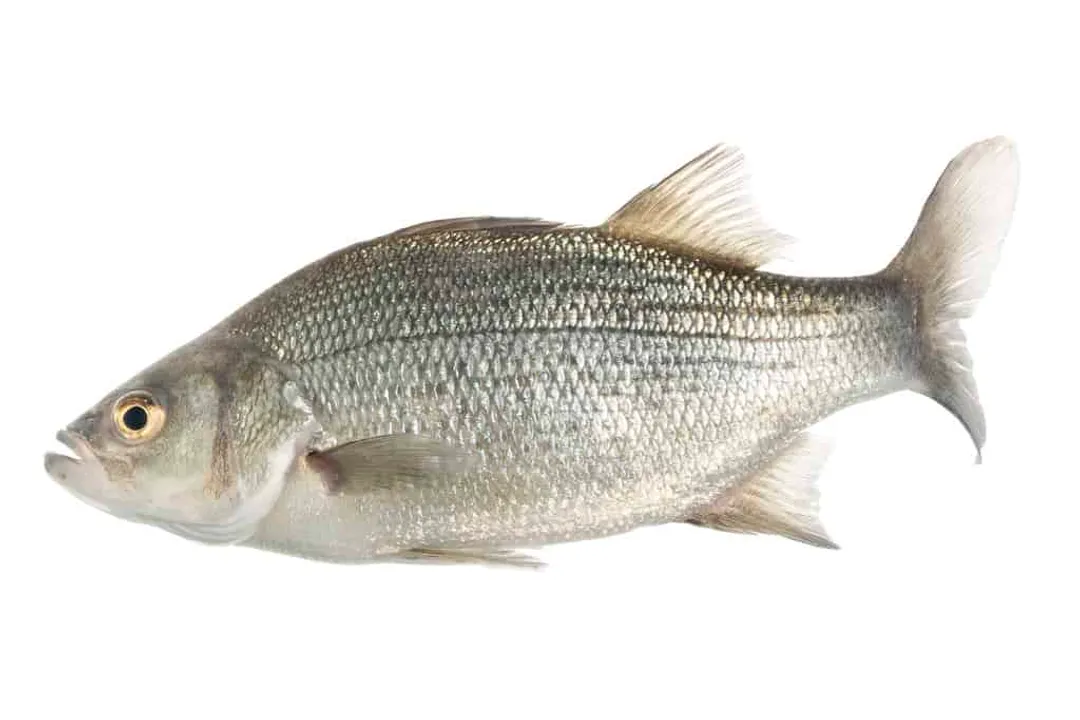
A critical physical identifier used to reliably distinguish the white bass (*Morone chrysops*) from its close relative, the striped bass, lies in the structure of the teeth on the tongue. Specifically, the white bass possesses only a single, distinct tooth patch situated on the back of its tongue. In contrast, the striped bass is characterized by having two such distinct tooth patches in the same location. This minute anatomical difference is significant enough to be included in regulatory guides used by fisheries management to confirm species identification, underscoring its importance despite the visual similarity between the two temperate basses.
Related Questions
What distinct dental feature separates the white bass from the striped bass?What is the typical lifespan range for Morone chrysops individuals?What is the common name given to the hybrid produced by crossbreeding white bass and striped bass?What characteristic does the scientific epithet chrysops of Morone chrysops reference?In South Dakota's glacial lakes lacking gizzard shad, what food sources do white bass diets shift toward?According to the trade-off discussion, what factor indicates the dominant evolutionary success for white bass?What environmental observation suggests a shift from surface herding to sub-surface corralling tactics in white bass?To which family does the white bass, Morone chrysops, belong alongside the striped bass?Where was the native distribution of the white bass historically centered in the United States?What is noted about the sexual maturity timing for female white bass in southern populations?