White Butterfly Locations
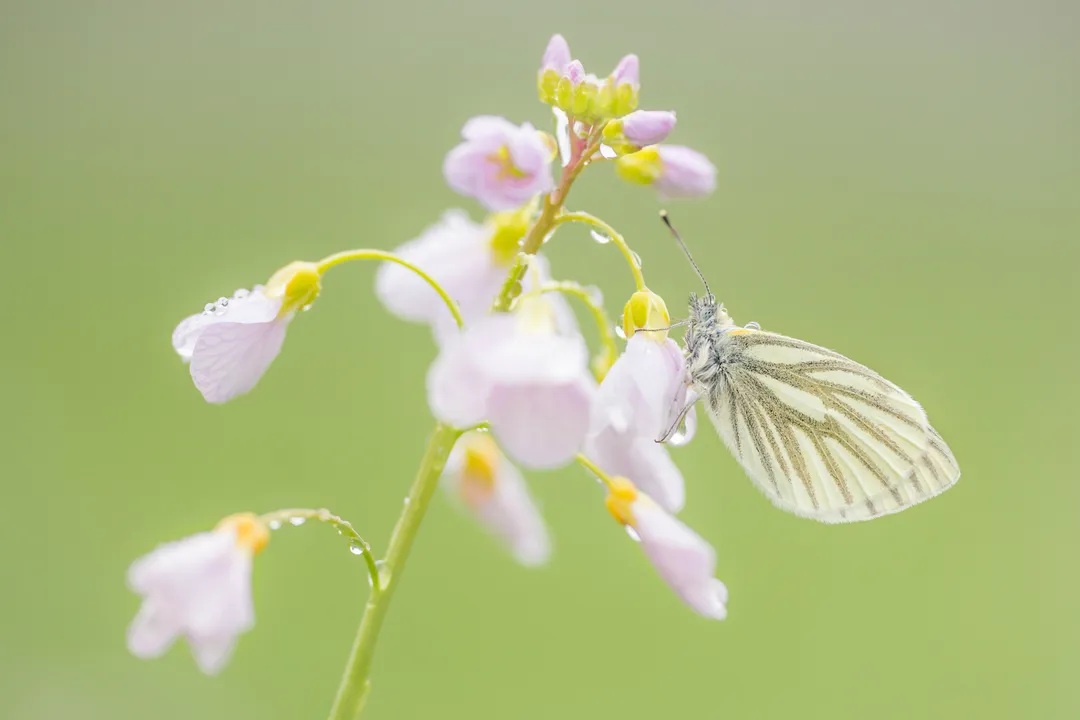
The sight of a white butterfly flitting through a garden or field is a common yet sometimes deceptively simple nature observation. While many people categorize them simply as "white butterflies," this group often comprises several distinct species that share a similar color palette, leading to frequent misidentification. The most frequent subject of these encounters in many temperate regions is the Cabbage White (Pieris rapae), [2][6][7][10] a species so common it has established itself across wide geographical areas. [7] Distinguishing it from its close relatives, like the Small White (Pieris napi), requires careful attention to wing patterns, especially the location and number of dark markings. [1][8] These butterflies belong to the family Pieridae, which also includes the sulphurs. [4]
# Common Whites
In North America and across Europe, the Cabbage White is perhaps the quintessential small white butterfly. [2][7] It is often one of the earliest butterflies to appear in the spring. [6] Its prevalence is partly due to its adaptability and the fact that its larvae feed on common agricultural weeds and crops. [6][10] The Small White, on the other hand, sometimes called the Green-veined White in some contexts, often shows a more noticeable pale or dusky scaling along the veins, particularly on the underside of the hindwings, making it look slightly less crisp than its cousin. [8] While the Cabbage White is frequently cited in general identification guides, [1][5] understanding the subtle differences between the members of the Pieris genus is key to accurately logging sightings. [4]
# Markings Distinctive
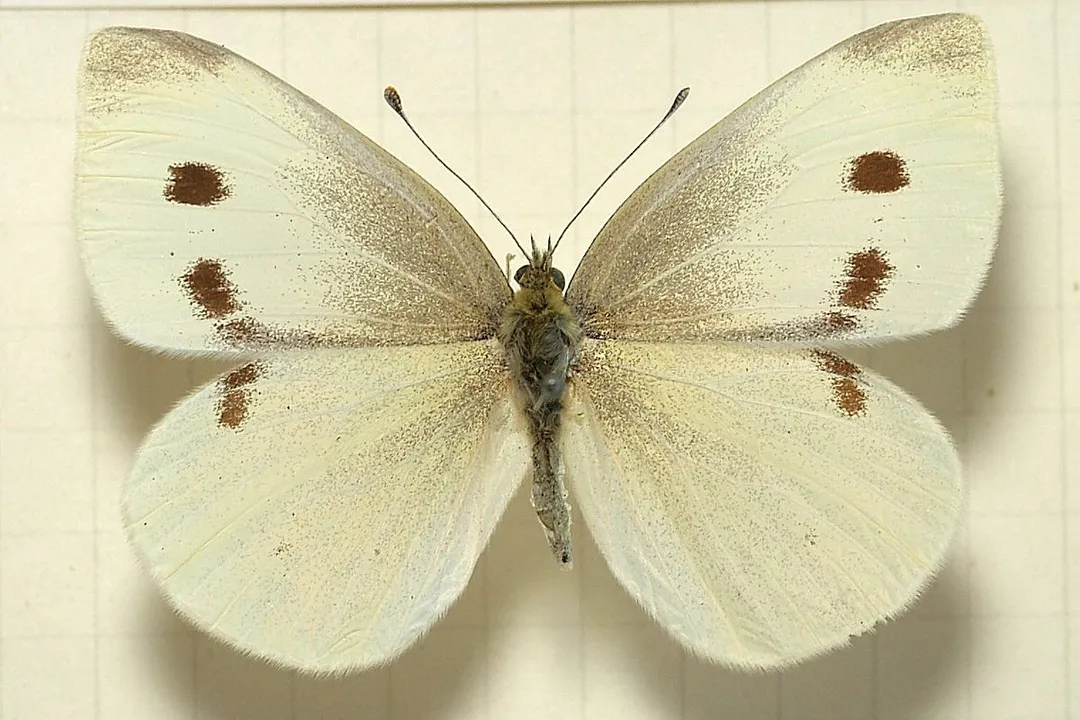
Accurate identification of white butterflies hinges on examining the wing markings, particularly the spots on the upper side of the forewings and the pattern on the underside. [1][5] For the Cabbage White (P. rapae), the sexes present differently, which is a vital clue. [2][7][10]
- Males: Typically exhibit only one distinct black spot near the tip of the forewing. [2][7]
- Females: Usually display two black spots on each forewing—one near the tip and a smaller one further down the leading edge. [2][7]
When looking at the underside, the Cabbage White generally shows the dark spots showing through faintly. [2] In contrast, the Small White (P. napi) is often characterized by the dusky scaling I mentioned, which heavily outlines the veins beneath the wings. [8] A quick visual check of the wing tips can sometimes offer an immediate answer, but if the butterfly is resting with wings closed, examining the hindwing underside becomes essential. [1][5] If you are unsure between a Pieris species and another white butterfly, look for the relatively rounded wing shape typical of this group. [4]
# Habitat Preferences
The location where you spot a white butterfly often correlates directly with the presence of their larval food plants, making habitat a strong indicator of the species you are observing. [6][10] The Cabbage White is a notorious garden pest because its larvae feed heavily on plants in the mustard family, Brassicaceae, which includes cultivated vegetables like cabbage, broccoli, and kale, as well as wild mustards. [6][10] Consequently, you will frequently find P. rapae in highly disturbed or cultivated areas. [7]
Locations favoring these species generally include:
- Gardens and Allotments: Areas rich in brassicas or other suitable herbaceous plants provide both food for the caterpillars and nectar sources for the adults. [6][7]
- Fields and Meadows: Open areas, especially those bordering agricultural land or containing common weeds like shepherd’s purse, offer natural breeding grounds. [10]
- Hedgerows and Roadsides: These transitional zones often host the wild mustard species these butterflies rely on when gardens are scarce. [7]
The Small White, while also found in gardens, tends to favor damper areas, such as marshes, fens, and wetter meadows, particularly for its spring brood. [8] This difference in preference—the Cabbage White favoring drier, more disturbed land versus the Small White's affinity for moisture—can sometimes help narrow down identification when you are in a mixed habitat zone. [8]
# Observation Strategy
While knowing the species and habitat helps, timing and precise searching locations enhance success for observers. [1] These butterflies are generally active during warmer, sunny periods, typically flying low over vegetation. [5] When tracking whites, particularly the Cabbage White, the strategy should pivot from searching broad open spaces to investigating the specific structure of the plant community. Instead of just looking in open meadows, try focusing observation time on the edges of disturbed ground—like the perimeter of a vegetable patch or a newly tilled field—as this often provides the specific early-stage host plants these species seek for egg-laying, increasing your chances of seeing activity beyond just random flight. This localized search around known food sources yields better results than scanning random open airspace.

# Family Notes
The Pieridae family is easily recognized by its generally medium size and white or yellow coloration, though they are sometimes confused with moths due to their relatively stout bodies. [4] For those interested in cataloging different white butterflies, expanding the search beyond just Pieris can be rewarding. If you encounter a white butterfly that is distinctly smaller than the average Cabbage White, or lacks any distinct black markings entirely, it might be worth checking regional guides for less common native species like the Inornate White, which lacks the prominent dark markings often used for quick ID, requiring a closer look at wing shape and resting posture. Even within the very common Pieris group, local variations in spot intensity can occur based on latitude or the generation of the butterfly, meaning that sticking rigidly to a single spot count might occasionally mislead an observer working with local populations. [4][5] Paying attention to the overall wing silhouette when the butterfly is in flight—is it strong and direct, or slightly fluttery—can also offer an immediate clue before a closer inspection is possible. [1]
Related Questions
#Citations
How To Identify White Butterflies
Pieris rapae - Wikipedia
Butterfly Atlas - Cabbage White Pieris rapae - Mass Audubon
[PDF] Pieridae (Whites and Sulphurs) - Butterflies of Colorado
ID Guide to White Butterflies - NatureSpot
Cabbage White Butterfly | UConn Extension Bug Week 2025
Cabbage White | North American Butterfly Association | NABA
Small white | The Wildlife Trusts
White butterflies - Science Learning Hub
Cabbage White Butterflies Are Here! - SDSU Extension