Vine Snake Locations
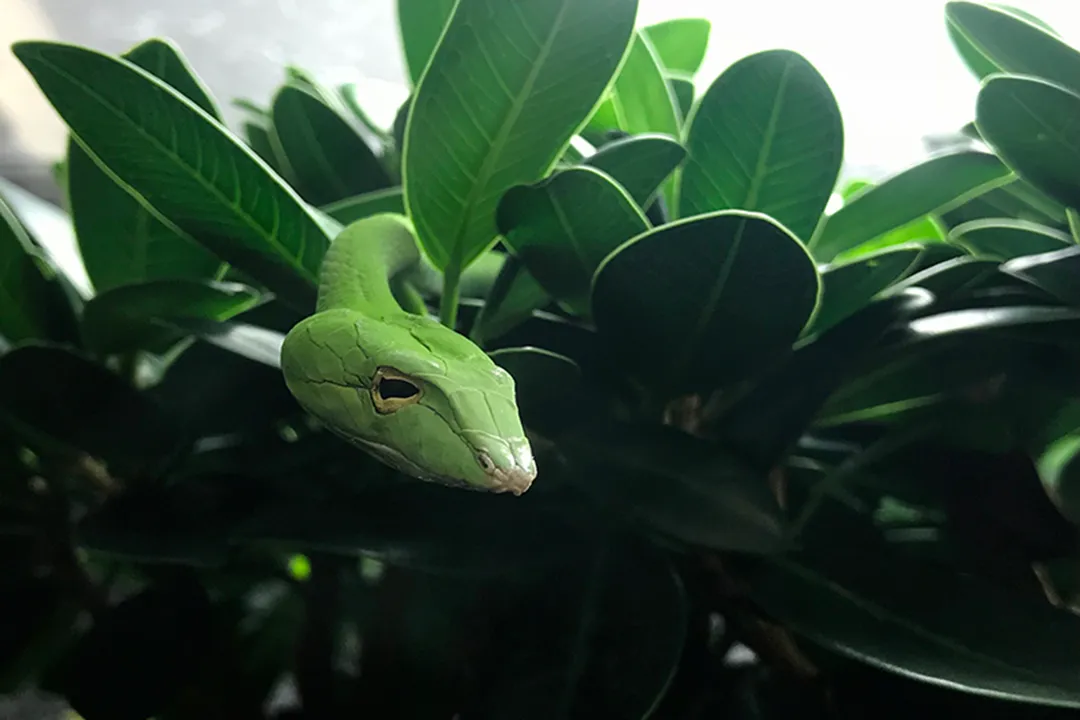
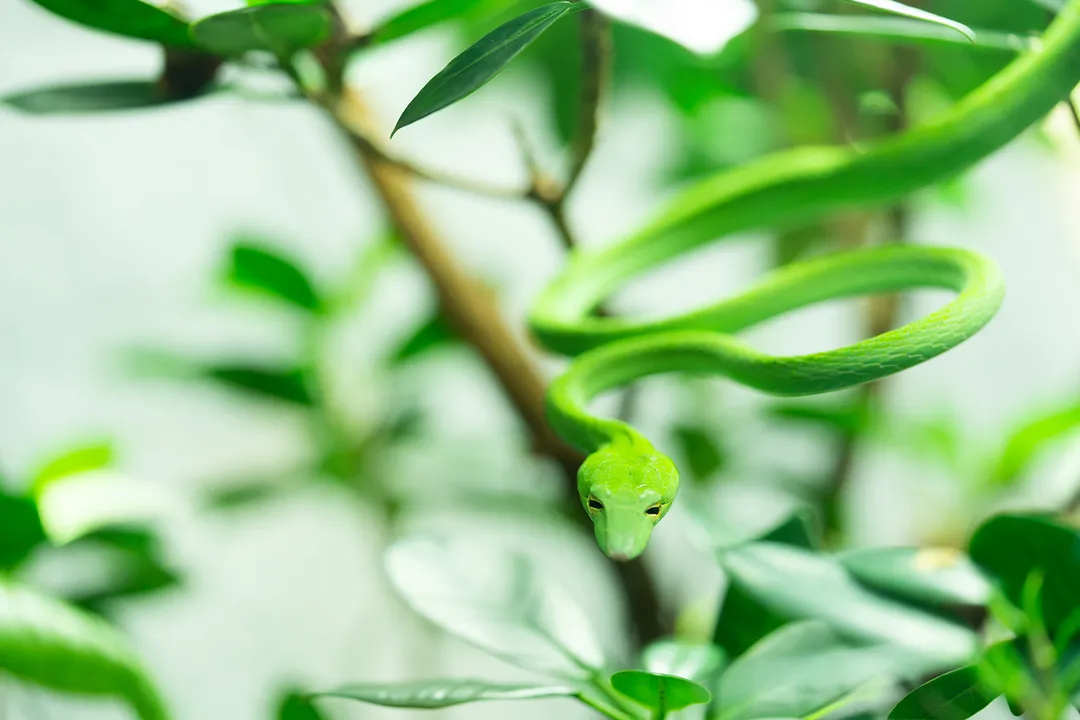
The elongated, slender bodies and pointed snouts of vine snakes immediately suggest the arboreal life they lead, making them masters of camouflage across diverse environments. [2][8] The term "vine snake" itself acts as a descriptive umbrella, covering several distinct genera and species found across the Americas, Asia, and Africa, each adapted to its specific geographic niche. [2][4][5] Understanding where these snakes live requires looking beyond a single location and recognizing the specific species inhabiting those regions, as their coloring and behavior change dramatically based on their home latitude.
# American Ranges
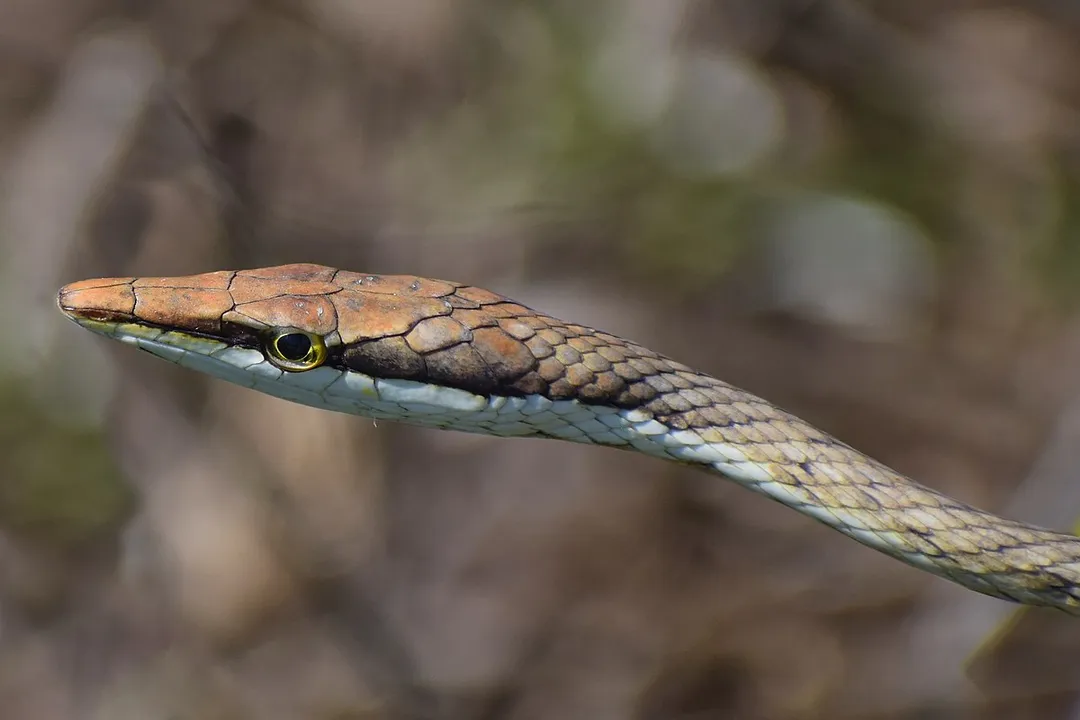
The brown or bronzy vine snake, scientifically known as Oxybelis aeneus, is one of the most widely distributed species, particularly in North and Central America. [1] Its range begins in the southwestern United States, where it can occasionally be sighted in parts of Arizona and Texas. [6] From there, it extends southward throughout Mexico and into Central America. [1] Unlike some of its vividly colored relatives, O. aeneus typically sports a bronze, brown, or grayish coloration, allowing it to blend perfectly with dry woody vines, twigs, and leaf litter. [1][6]
The specific environment dictates where one is most likely to encounter this snake within its broad territory. In the northern reaches, such as the US Southwest, it favors desert scrub, chaparral, and low, dry woodlands. [1][6] Moving further south, the habitat preference shifts to include more humid forests and thickets, yet its cryptic coloration still serves it well among the dead or drying vegetation common even in tropical understories. [1] Observers often note that O. aeneus favors the lower canopy or dense shrubbery rather than the very highest branches, relying on stillness rather than continuous movement to avoid detection. [2]
# Green Species
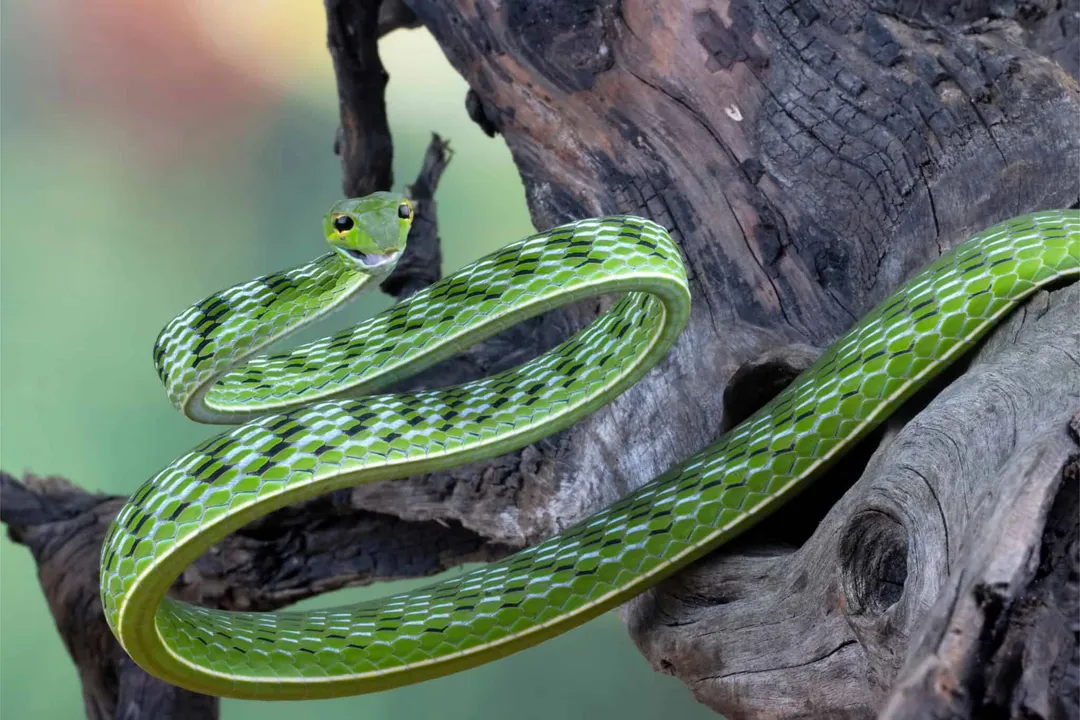
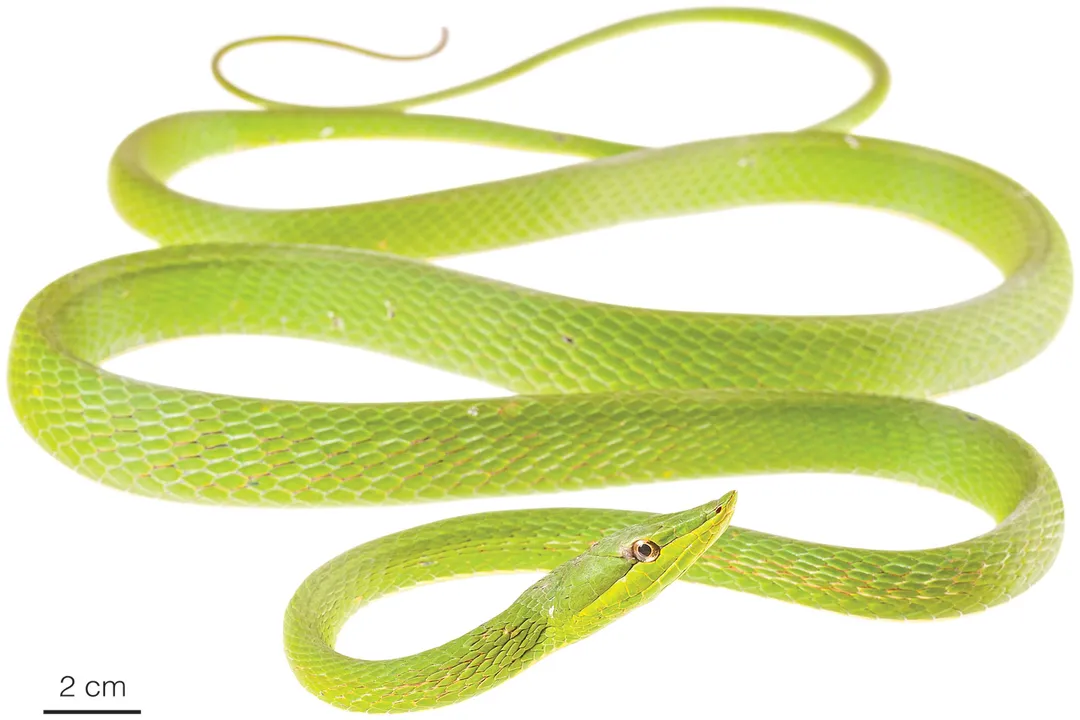
The habitat map shifts significantly when discussing the bright green vine snake, Oxybelis fulgidus. [3][9] This species is almost exclusively restricted to the tropical and subtropical zones of Central and South America. [3][5][9] Its brilliant, uniform green coloration is the perfect adaptation for life high up in the leafy canopy of rainforests and dense secondary growth areas. [3]
While O. aeneus might favor a browner, twig-like appearance, O. fulgidus requires vibrant foliage for concealment. Its distribution is closely tied to areas with high year-round humidity and dense tree cover. [9] Researchers have documented their presence across Ecuador, for example, often near primary or recovering forest areas. [9] They are known to utilize the complex three-dimensional structure of the forest, rarely descending to the ground unless necessary for movement between trees or during exceptionally dry periods. [3] The visual difference between the two most commonly discussed vine snakes—the bronzy aeneus and the emerald fulgidus—is a clear indicator of the dominant vegetation types across their overlapping but distinct ranges.
If you are observing an area where the canopy is overwhelmingly dense and permanently humid, the chances of encountering a green Oxybelis are far higher than finding the brown morph, which can tolerate significantly drier, more transitional woodland environments. [1][3] This suggests that the general term "vine snake location" is less helpful than knowing the regional species present; a snake in coastal Texas is biologically and visually distinct from one found deep in the Amazonian basin. [1][9] Furthermore, one might observe subtle variations in the brown snake’s hue—a population found near a seasonal river system might exhibit a darker, more charcoal bronze compared to a population in an arid, rocky canyon, suggesting that local substrate and humidity levels drive nuanced adaptations even within a single species range. [6]
# African Presence
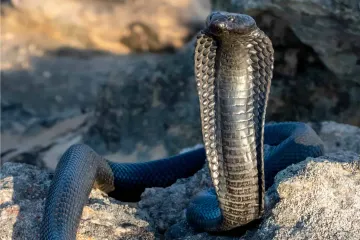
The term vine snake is not exclusive to New World serpents; similar life histories and morphologies have evolved in other continents. In Africa, distinct species of vine snakes are also present, occupying similar ecological niches. [4] While their specific taxonomy might differ from the Oxybelis genus found in the Americas, their general appearance and arboreal tendencies remain consistent. [4]
The locations for African vine snakes tend to favor areas with substantial vegetation cover, mirroring their counterparts elsewhere. However, ecological studies in Africa often highlight that these snakes can sometimes be encountered in different contexts than their South American cousins, perhaps interacting with different prey bases or facing different predation pressures that shape their specific local habits. [4] For instance, some African varieties might show a greater tendency to frequent agricultural borders or dense thickets bordering human settlements compared to the generally more remote rainforest-dwelling O. fulgidus of South America. [4]
# Asian Habitats
Similarly, Asia hosts its own types of arboreal snakes fitting the vine snake description, such as the Asian Vine Snake. [5] These snakes are found across the continent's diverse tropical zones. [5] Their presence in Asia further illustrates how similar environmental pressures—the need to hunt lizards and small vertebrates within foliage—can lead to convergent evolution across widely separated landmasses. The specific locations in Asia will depend heavily on the exact species being referenced, but the common thread is the reliance on woody or leafy structures for concealment and movement. [5]
# Behavioral Location Cues
When trying to pinpoint a vine snake’s location, it is critical to look not just at the map coordinates but at the immediate micro-environment, which serves as the snake's primary defense system. [2][8] These snakes are notoriously slow-moving when resting or hiding, often freezing with their bodies draped over a branch, perfectly mimicking a dangling vine or stem. [2] This reliance on immobility means they frequent areas with plenty of suitable horizontal and diagonal perches, typically in the lower to mid-strata of vegetation, generally between two and ten meters above the ground. [8]
A practical identification note for an observer in the field involves looking closely at the head shape and eye structure, regardless of the continent. True vine snakes often possess a disproportionately large eye relative to their head size, sometimes featuring horizontal pupils, which is an adaptation for movement during the day or twilight. [3][9] While coloration is the first giveaway, an individual that appears suspiciously vine-like but lacks this distinct ocular morphology might be a harmless mimic, such as certain types of grass snakes, which are common in areas where true vine snakes reside. [2] This distinction is important for respectful observation, as misidentification can lead to unnecessary alarm.
# Venom Nuances
One aspect that ties together the locations of vine snakes is the generally low perceived threat to humans across most species, although this requires careful regional qualification. [2][8] Many species, including O. aeneus, are rear-fanged and possess venom considered medically insignificant to people, often causing only mild localized swelling if a bite occurs, usually during handling. [8]
However, this generalization must be tempered by regional awareness, especially when considering the African contingent. Some African species might possess venom that warrants more caution than their New World relatives. [4] This difference underscores why precise location data is essential; what is considered a relatively benign encounter in the Americas might require different protocols when observing related snakes in Africa. [4] For the general reader interested in wildlife viewing, the key takeaway is that while these snakes are generally shy and non-aggressive, approaching or attempting to handle any rear-fanged species should be done with caution, acknowledging the varying potency of venom across the global vine snake population. [2][4]
In summary, the location of a vine snake is dictated by its genus and the specific ecological requirements tied to its camouflage: bronze and brown snakes favor transitional, drier woodlands from the US down to South America, while vibrant greens dominate the humid rainforest canopies of Central and South America, with parallel evolutionary developments seen in their Asian and African counterparts. [1][3][4][5][6][9]
Related Questions
#Citations
Oxybelis aeneus - Wikipedia
Vine snake | Tree-dwelling, nocturnal, slender. | Britannica
The Vine Snake Is a Slender, Tree-climbing Carnivore
Vine Snakes of Africa - African Snakebite Institute
Asian Vine Snake - The Living Planet Aquarium
BROWN VINESNAKE Oxybelis aeneus
Oxybelis fulgidus (Green Vine Snake) - Animal Diversity Web
Vine Snake Animal Facts
Green Vine-Snake (Oxybelis fulgidus) - Reptiles of Ecuador