How does the diversity of floral sources impact the nutrition of the Bombus vestalis brood?
Answer
The diet is defined by the foraging preferences of the host workers
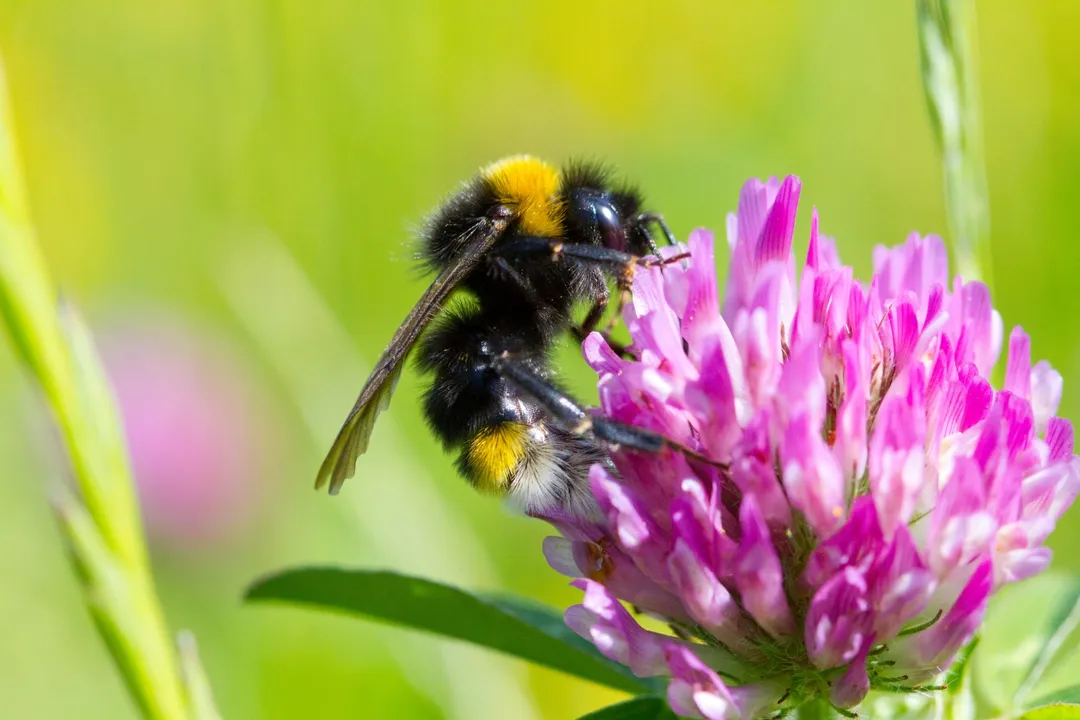
Because the parasitic larvae are entirely dependent on the provisioning efforts of the host workers, their nutritional intake is directly linked to the flowers that the host colony visits. Host species like the buff-tailed bumblebee are generalists that visit a wide variety of plants to collect carbohydrates and proteins. Therefore, if the host colony has access to clover, brambles, or thistle, those specific floral sources form the nutritional base for the developing cuckoo larvae. The diet of the cuckoo is not determined by the mother's choice but by the successful foraging habits of the colony being parasitized.
Related Questions
Which species serve as the primary hosts for the Vestal Cuckoo Bumblebee?How does the Bombus vestalis queen typically gain control of a host nest?Why is the foraging behavior of a Bombus vestalis queen different from that of a standard social bumblebee?What mechanism ensures that the larvae of the Bombus vestalis are fed?How does the diversity of floral sources impact the nutrition of the Bombus vestalis brood?What is the primary conservation requirement to support the Vestal Cuckoo Bumblebee?What happens if a sudden environmental shift, such as a drought, occurs in the habitat of the host colony?How does the Vestal Cuckoo strategy represent a form of social parasitism?What is the primary purpose of the Bombus vestalis queen foraging during the early spring?Why is the presence of nectar-rich flowers considered indirect support for the Vestal Cuckoo?