For native bee conservation, what generalist diet requirement necessitates a diversity of available plants?
Answer
Meeting the energy needs of adults and ensuring consistent pollen supply for nesting females
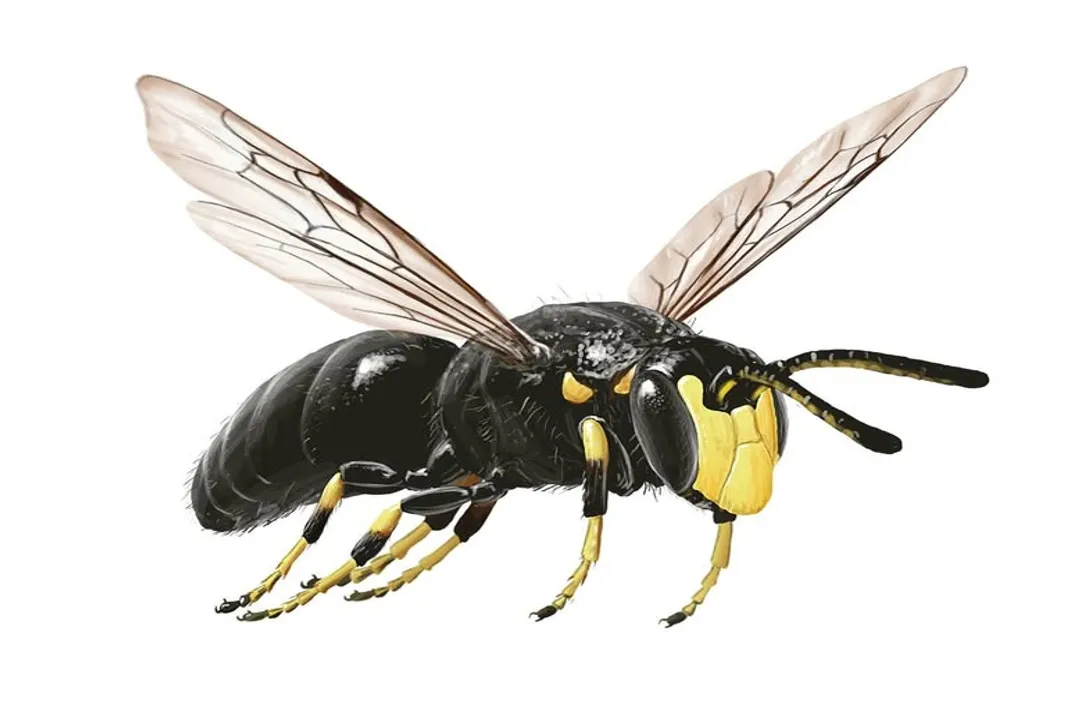
Because the yellow-faced bee operates as a generalist forager, ensuring habitat support requires providing a diversity of available plants throughout the bee's entire active season. This continuous bloom cycle is necessary to meet the immediate energy needs of the foraging adults via nectar intake, and crucially, to ensure a steady and consistent pollen supply for the nesting females. These females must provision every individual cell in their solitary nests with the food mixture before laying an egg, demanding a sustained resource availability rather than just a single, large bloom event.
Related Questions
What substance provides the primary energy source for the adult yellow-faced bee?Where do *Hylaeus* bees store the mixture of pollen and regurgitated nectar for their young?Unlike honey bees, what structure do *Hylaeus* bees specifically *not* use for external pollen packing?What foraging strategy characterizes yellow-faced bees across their native ranges in North America and Hawaii?What vulnerability arises because *Hylaeus* stores contaminated pollen internally?What is the resulting nutritional form of the pollen mixed with nectar for *Hylaeus* larvae?Why does the lack of specialized hair in *Hylaeus* reinforce the need for internal pollen mixing?For native bee conservation, what generalist diet requirement necessitates a diversity of available plants?What aspect of flower characteristics matters less to yellow-faced bees compared to bees with specialized leg structures?What is the benefit potentially derived from the upfront energetic cost of mixing nectar and pollen internally for *Hylaeus*?