Yellow-Eyed Penguin Diet
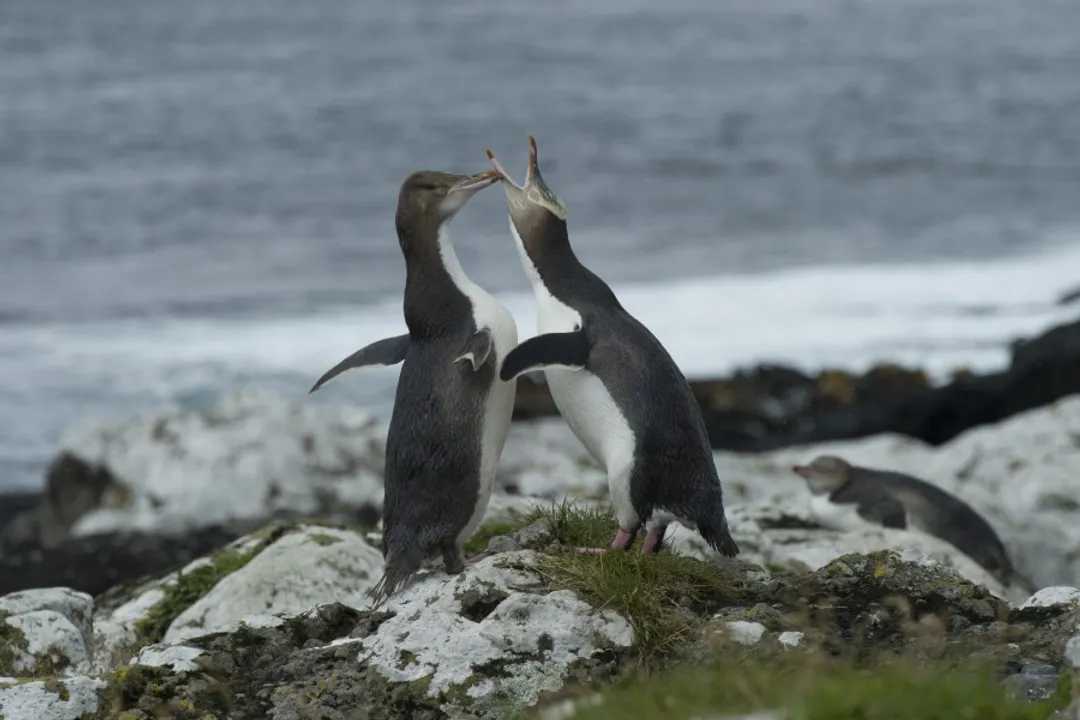
The Yellow-Eyed Penguin, known to Māori as Hoiho, or "noise shouter," sustains itself as a strictly carnivorous species. [1][8] As one of the world's rarest penguins, this bird’s reliance on specific marine resources makes its feeding ecology a central concern for its survival. [4][7] Primarily piscivorous, its diet is focused on various fish species found near the seabed. [4][5]
# Key Prey Items
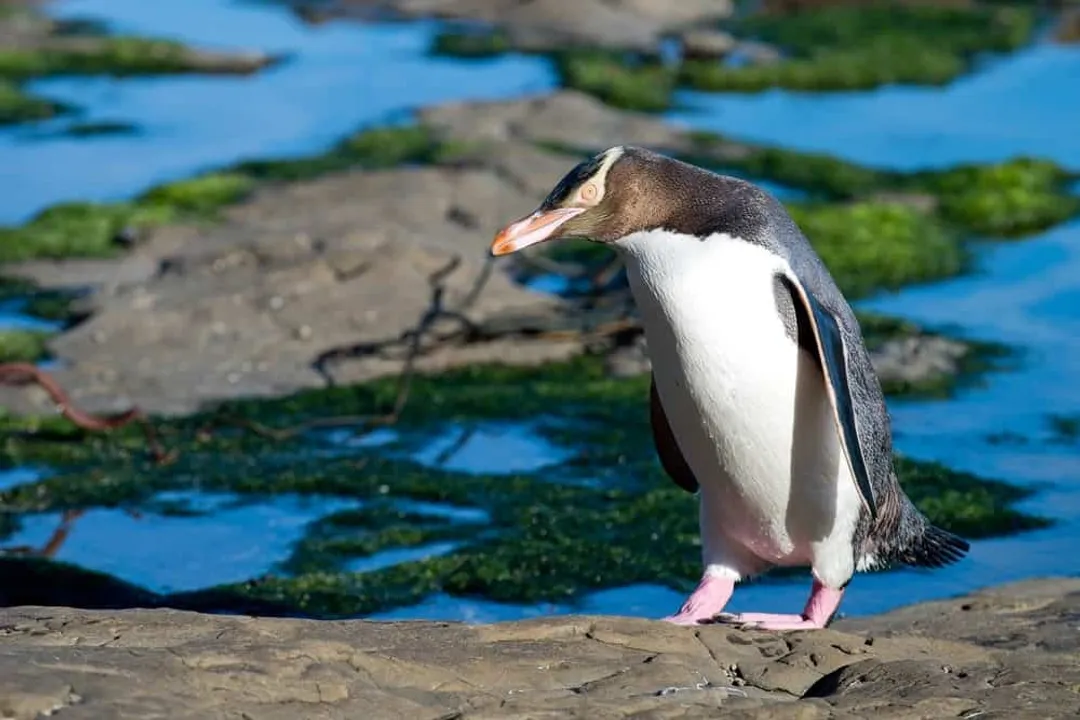
The staple of the Megadyptes antipodes diet is overwhelmingly fish, typically demersal species that inhabit the ocean floor. [4][9] Several specific fish have been identified as essential components of their meals. [1][3][9]
The most frequently mentioned species include:
- Red Cod (Pseudophycis bachus): Historically a dominant prey item based on frequency and biomass. [2][3]
- Opal Fish (Hemerocoetes monopterygius): A crucial component, especially in certain foraging grounds. [4][8]
- Blue Cod (Parapercis colias): Increasingly noted in the diet, particularly in recent decades. [4][8]
- Silversides (Argentina elongata). [4][9]
- New Zealand Blueback Sprat (Sprattus antipodum). [4][8]
Beyond fish, the Hoiho also consumes cephalopods, with the Arrow Squid (Nototodarus sloanii) being a noted addition to their routine feeding. [1][4][8] Less frequently, they may take in crustaceans, such as krill (Nyctiphanes australis). [4] Interestingly, observations using camera loggers have shown that while penguins target jellyfish, they are not consuming the gelatinous body itself; rather, they are pursuing the small fish and larvae that happen to be associated with the jellyfish aggregations. [4]
# Foraging Behavior
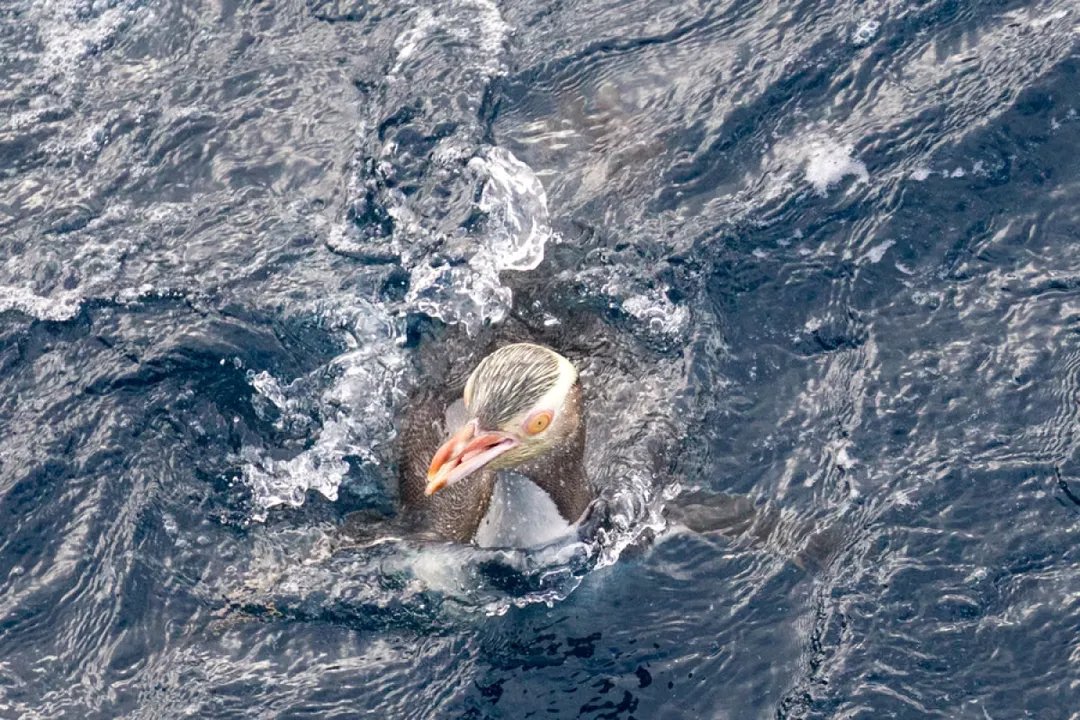
Yellow-eyed penguins are highly adapted divers that spend a significant portion of their day at sea hunting. [1][5] Their feeding strategy is overwhelmingly oriented toward the bottom of the water column; up to 90% of their dives are classified as benthic dives, where they actively search for prey along the seafloor. [4][8]
The depth they reach is directly related to the bathymetry of their foraging ranges. [4] While some accounts list depths between 20 and 60 meters, [8] others indicate they can reach considerable depths, with capabilities up to 120 meters [5] or even 240 meters below the surface. [4] They venture both near the coast and farther out, with foraging trips ranging up to 25 kilometers from their nesting sites, usually returning by evening during the breeding season. [4][5] These birds generally hunt within 2 to 25 kilometers offshore. [5] The effort required to secure this benthic prey is a key ecological factor influencing their breeding success.
# Documented Dietary Shifts
A crucial piece of information for understanding the decline in mainland populations relates to a measurable shift in their primary food source over the past three decades. [2] Studies indicate that red cod, which was once the dominant prey item both in terms of how often it was eaten and the total mass it contributed to the diet, has been significantly replaced by blue cod since the 1990s. [2]
This change is highly suggestive of external pressure. The decline in red cod availability correlates with reduced landings in the commercial red cod industry, implying that fishing pressure has likely depressed these stocks. [2] The Hoiho is now consuming more blue cod as a substitute. [1] However, this nutritional substitution is not equal; blue cod provides significantly fewer nutrients than the red cod. [1] Furthermore, the blue cod consumed are generally much larger—between 160–220 mm—than the smaller red cod (50–80 mm) typically caught by penguins in their larval or early juvenile stages. [2] This difference in prey size means that parents might be provisioning chicks with food that is too large to ingest easily, potentially impacting chick survival rates. [2] This forced reliance on a less nutritious, larger prey item highlights a concerning indirect effect of human activity at sea on this endangered species. [2][4]
# Regional Food Variations
The foraging environment directly dictates what the penguins find, leading to clear differences in diet composition depending on the local marine habitat. [2] Where the seafloor consists of coarse sand and gravel, the diet of the local population tends to be dominated by opalfish. [2] Conversely, in areas with more structured benthos or seafloors that experience disturbance from bottom-trawling fisheries, blue cod becomes the more important prey species. [2] This localized variation means that conservation assessments must account for distinct regional feeding ecologies rather than assuming a single national diet profile. [2]
For the subantarctic island populations, which represent an important stronghold for the species—accounting for over 60% of all Hoiho—there remains a significant gap in dietary knowledge. Research efforts are more challenging and expensive in these isolated areas, yet understanding their prey base and foraging effort is vital, as they may be acting as an "insurance population" against mainland pressures. If the mainland diet is already suffering from shifts due to fishing, understanding if the subantarctic birds face similar or different pressures is paramount for any long-term recovery plan. Considering the strong benthic foraging preference, any seabed alteration, whether from natural events or human activity, creates an immediate ripple effect on their ability to acquire adequate nutrition. [4]
# Needs of Immature Birds
The dietary requirements change as the penguins mature, particularly for the young birds leaving the nest. While adults rely heavily on fish, the diet of immature birds shows a notable reliance on cephalopods, with squid making up nearly half, or 49%, of their total intake. [8] This suggests a necessary adaptation in foraging technique or preference during their first few years at sea when they are independent but still developing full adult foraging efficiency. [8]
It is essential to realize that the quality and quantity of food directly contribute to the survivability of Yellow-Eyed Penguin chicks. Once chicks reach about six weeks old, their food demands increase substantially, requiring both parents to forage simultaneously rather than one staying on guard. [1][5] Insufficient food availability or poor quality provisioning at this critical stage can lead to reduced fledgling weights, which subsequently lowers their chances of surviving their first year in the ocean—a major contributing factor to the overall population decline. [7]
Related Questions
#Citations
Yellow-eyed penguin - Wikipedia
Yellow-Eyed Penguin - Oceanwide Expeditions
Yellow-eyed penguin - Center for Biological Diversity
Yellow-eyed penguin diet and indirect effects affecting prey ...
General Infomation - Yellow-eyed Penguin/Hoiho
Yellow-Eyed Penguin | Penguin Wiki | Fandom
Yellow-Eyed Penguin - Megadyptes antipodes - A-Z Animals
Yellow-Eyed Penguin Facts | New Zealand Wildlife Guide
[PDF] Foraging and diet of yellow-eyed penguins (Megadyptes antipodes ...