Yellow-faced Bee Evolution
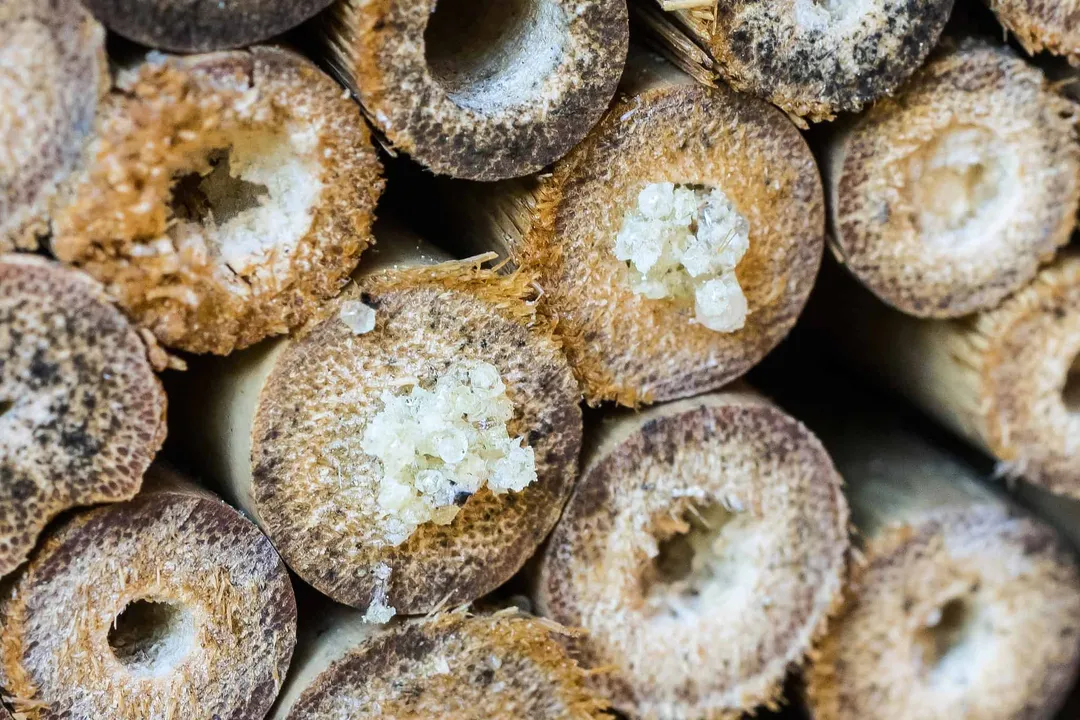
The bees known colloquially as Yellow-faced Bees belong to the genus Hylaeus, a group that holds a special place in the story of insect evolution, particularly as seen through the lens of island biogeography. These are not the fuzzy, pollen-dusted creatures many imagine when thinking of a bee; instead, they possess a distinct, almost wasp-like appearance, characterized by striking yellow or white markings on their faces. Their very existence in certain isolated locations, like the Hawaiian Islands, represents a remarkable, long-term evolutionary success story—a testament to a tiny founder population successfully adapting and diversifying over millennia in an environment free from many continental competitors.
The broader classification of these insects places them within the family Colletidae, often referred to as plasterer bees or yellow-faced bees. A key evolutionary difference separating Hylaeus from more familiar bees like honeybees or bumblebees lies in how they manage their essential food source: pollen. Unlike bees that carry dry pollen on specialized hairs on their legs or abdomens, Hylaeus bees collect wet pollen mixed with nectar and carry this mixture in their crops, similar to how they carry water or just nectar. They then regurgitate this liquid food to provision their larvae in their nests. This method of pollen transport is considered a more ancestral trait within the bee lineage, suggesting that the Hylaeus genus, or its immediate ancestors, diverged from other bee groups early in bee evolution before the development of specialized pollen baskets, known as corbiculae.
# Ancient Lineage
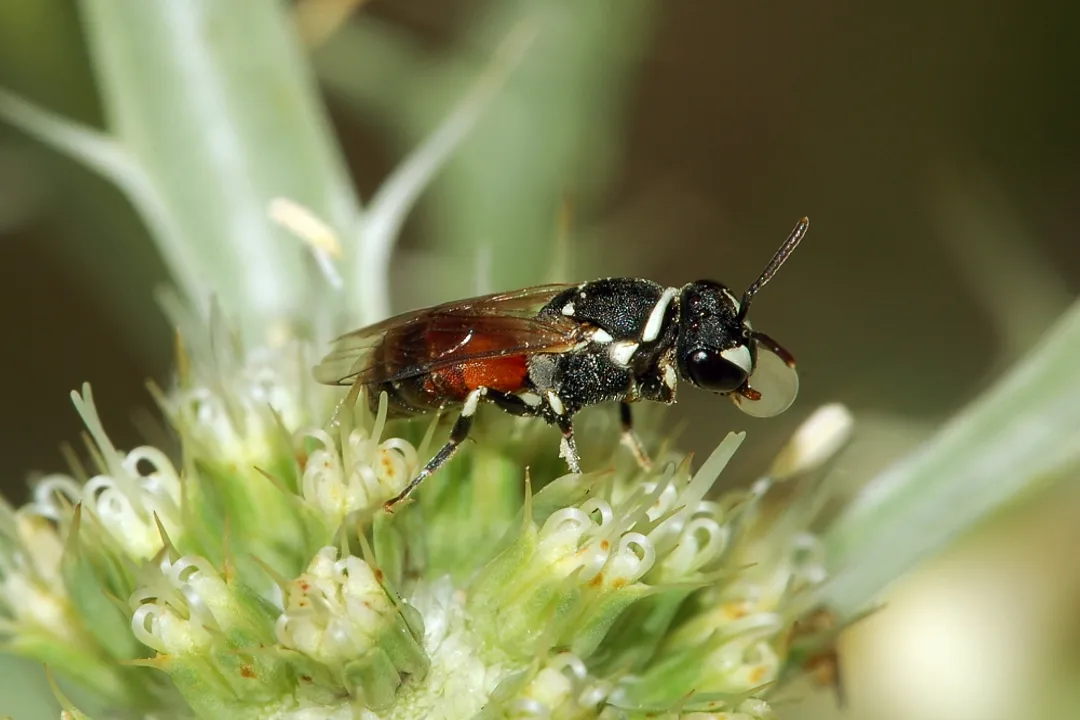
The Colletidae family, to which these bees belong, is ancient, and its members are found across the globe, inhabiting a wide range of environments. However, the story that captures significant evolutionary attention is the lineage that reached and subsequently colonized remote archipelagos. The arrival of the ancestral Hylaeus in an environment like Hawaii, an archipelago isolated by vast stretches of ocean, provided a blank slate for adaptive radiation. This process involves a single ancestral species rapidly diversifying into many new species, each filling a different ecological niche that opens up in the absence of competitors.
In Hawaii, the situation is particularly dramatic. The Yellow-faced Bees, referred to locally as Nalo Meli Maoli, are the only native bees in the entire island chain. This fact alone underscores their evolutionary importance; they represent the entire native bee heritage of the islands. Imagine the immense selective pressures acting on those initial colonists: they had to adapt to entirely new sets of native flowering plants, cope with novel climatic conditions across different islands and elevations, and devise nesting strategies suitable for tropical or subtropical environments without established relatives nearby. This isolation is what drives unique evolutionary trajectories not seen elsewhere.
# Island Radiation
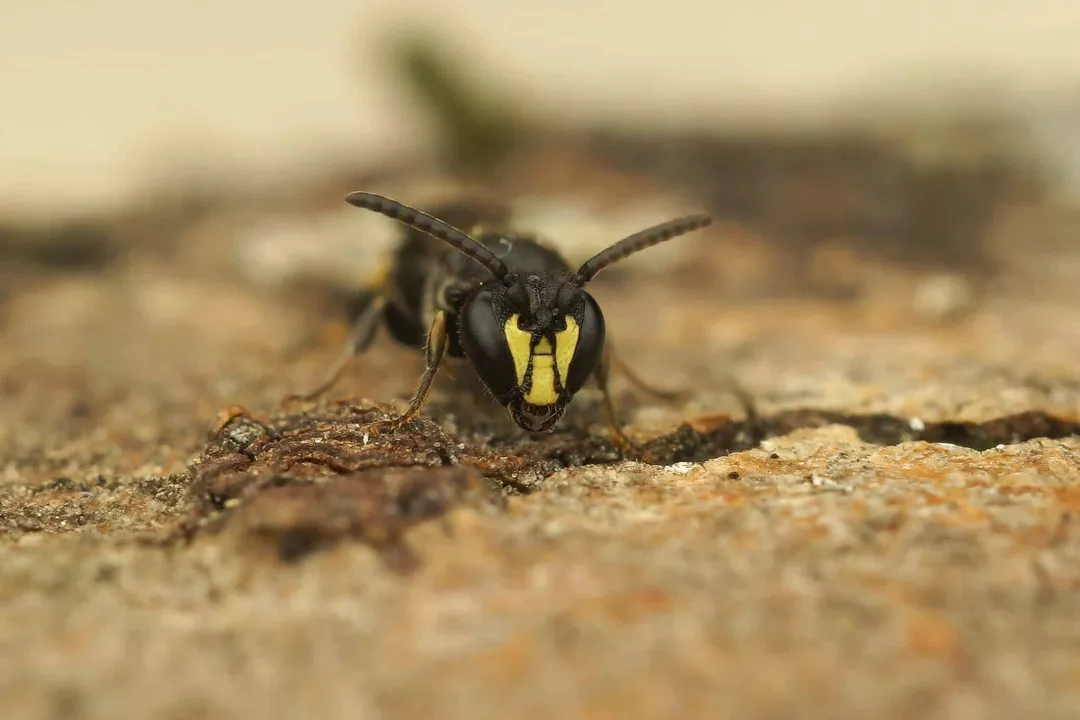
The sheer number of species that arose from those early arrivals is striking. Before significant modern disturbances, there were over 100 species of native Hawaiian Hylaeus bees, a clear signal of extensive evolutionary success and diversification. This process of adaptive radiation is a hallmark of island evolution, where geographic isolation prevents gene flow from mainland populations, allowing local adaptations to become fixed and eventually lead to speciation. Each new island barrier or new habitat zone—from wet forests to dry leeward slopes—could have acted as a crucible for a new species to form.
We can compare this to other groups that colonized islands. While many island ecosystems see birds or insects evolving larger body sizes (island gigantism) or losing the ability to fly, the Hylaeus radiation appears to have specialized intensely on host-plant relationships. The relationship between these native bees and native Hawaiian plants is a tightly co-evolved one, where the bees evolved to feed on specific floral resources, and those plants, in turn, became dependent on these specialized bee visitors for reproduction. This co-dependence is the hallmark of a successful, long-term evolutionary partnership.
For instance, looking at the diversity across the islands, one can see patterns of endemism, meaning certain species are found only on one island. This is a direct consequence of speciation happening in situ after the initial colonization events, with populations on different landmasses becoming reproductively isolated over time. The Yellow-faced Bee complex in Hawaii offers a textbook example of how evolution proceeds when nature provides a vast, empty ecological canvas.
# Ecological Roles
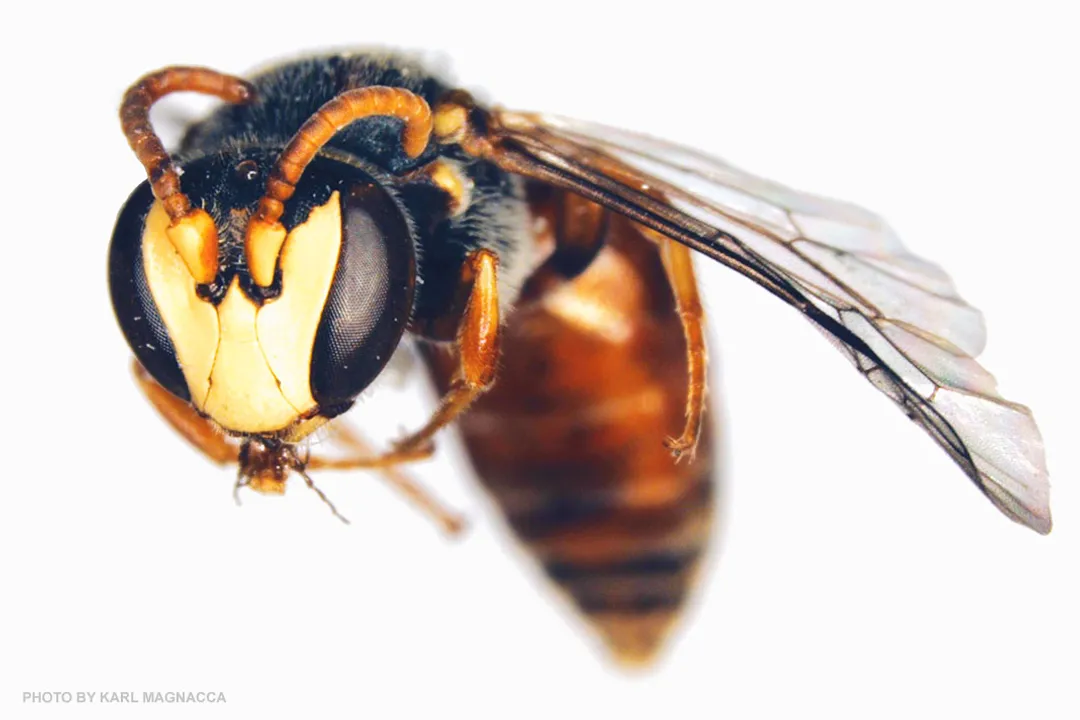
The evolutionary trajectory of these bees is inextricably linked to their ecological function. Because they were the only native bees, their pollination services were essential for the reproductive success of many native Hawaiian flora over millennia. It’s fascinating to consider that the survival of numerous native Hawaiian plants, some of which have their own unique evolutionary stories, may have depended entirely on the specialized pollen-carrying mechanism and foraging behavior honed by these small, yellow-faced insects.
While we often focus on the famous, large pollinators, the work done by these small specialists is vital. One way to visualize their impact is to contrast their work with that of introduced pollinators. For example, the honeybee (Apis mellifera), while an effective pollinator for many introduced crops, is not perfectly suited for all native Hawaiian flowers, some of which evolved specifically to interact with the size, tongue length, or foraging style of a Hylaeus bee. The architecture of a native flower often dictates which pollinator can access its nectar and effectively transfer pollen, an arrangement solidified over millions of years of co-evolution. For local conservation work, understanding which specific Hylaeus species interacts with which specific plant species is crucial—it's essentially reading a chapter of evolutionary history written in flower morphology.
# Vulnerability of Specialization
The very adaptations that allowed the Yellow-faced Bees to diversify and thrive in isolation—their high degree of specialization and endemism—also form the basis of their current precarious status. When an organism is adapted to a very specific set of local conditions, any significant environmental shift can be catastrophic. In Hawaii, the challenges have mounted significantly in recent decades.
For example, the federally endangered Hylaeus finitimus serves as a stark example of this vulnerability. This species, along with others, faces intense pressure from habitat loss and degradation, which shrinks the specific, often rare, native plants they rely on. Furthermore, the introduction of invasive predatory insects, such as ants or wasps, presents an unprecedented threat against native insects that evolved without such sophisticated, widespread predators. An established mainland wasp, for instance, might target Hylaeus larvae with an efficiency that the bee's evolutionary defenses are simply not equipped to handle.
The conservation focus often highlights the unique nature of these insects. The U.S. Fish and Wildlife Service has listed several species of Yellow-faced Bees under the Endangered Species Act, recognizing them as critically important components of the native Hawaiian ecosystem whose continued survival is in doubt. The fact that they are now protected underscores the scientific understanding that losing these species means losing unique branches of the evolutionary tree that cannot be regrown.
# Conservation Context
Considering the evolutionary path, a conservation strategy needs to look beyond simply protecting the bees themselves; it must protect the intricate web of relationships they formed during their radiation. If we focus solely on one endangered species, say Hylaeus finitimus, and fail to protect the specific native shrub it pollinates, we are effectively erasing the evolutionary pressure that kept the bee distinct in the first place. When managing these areas, it’s useful to remember that the most effective intervention isn't necessarily providing a generic, high-sugar artificial feed, but rather actively managing the invasive species that disrupt these finely tuned, ancient plant-pollinator dynamics.
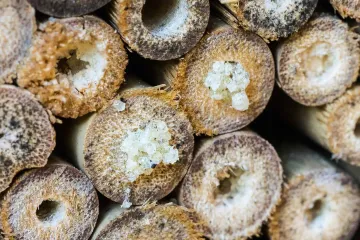
Another critical consideration, drawn from observing their evolutionary success, is understanding their nesting habits. Since they are solitary bees, they nest individually, often in pre-existing cavities in wood or hollow plant stems, rather than forming large hives. Protecting areas with sufficient amounts of native, dead, or woody debris is, therefore, an actionable, low-tech conservation measure that directly supports the survival of the next generation of these endemic specialists, allowing their evolutionary continuity to proceed uninterrupted by modern stress factors. This contrasts sharply with managing managed, social pollinators like honeybees, which require entirely different intervention strategies.
The Hawaiian Yellow-faced Bees, Nalo Meli Maoli, are more than just another group of insects; they are living artifacts of deep time and isolation. Their story—from a single colonist lineage to over a hundred distinct forms across the archipelago, using an ancient pollen-carrying method—is a powerful illustration of evolution in action. Their survival today depends on recognizing the long, slow process that created them and acting quickly to counteract the rapid changes introduced by human activity.
Related Questions
#Citations
Species Profile for Easy yellow-faced bee(Hylaeus facilis) - ECOS
Hylaeus (bee) - Wikipedia
Yellow faced bee (Hylaeus finitimus) - Xerces Society
Yellow-Faced Bee - Hylaeus - USDA Forest Service
[PDF] The Inconspicuous Endangered Hawaiian Yellow-faced Bee
[PDF] Hawaii's Native Bees - Nalo Meli Maoli
Yellow-faced Bee Insect Facts - A-Z Animals
Nalo Meli Maoli (Yellow-faced Bees)
Hawaiian Hylaeus | Yellow Faced Bees - Maui Magazine
Chat With a Scientist: Hawaiian Pollinator Edition - Medium