Yellow-faced Bee Diet
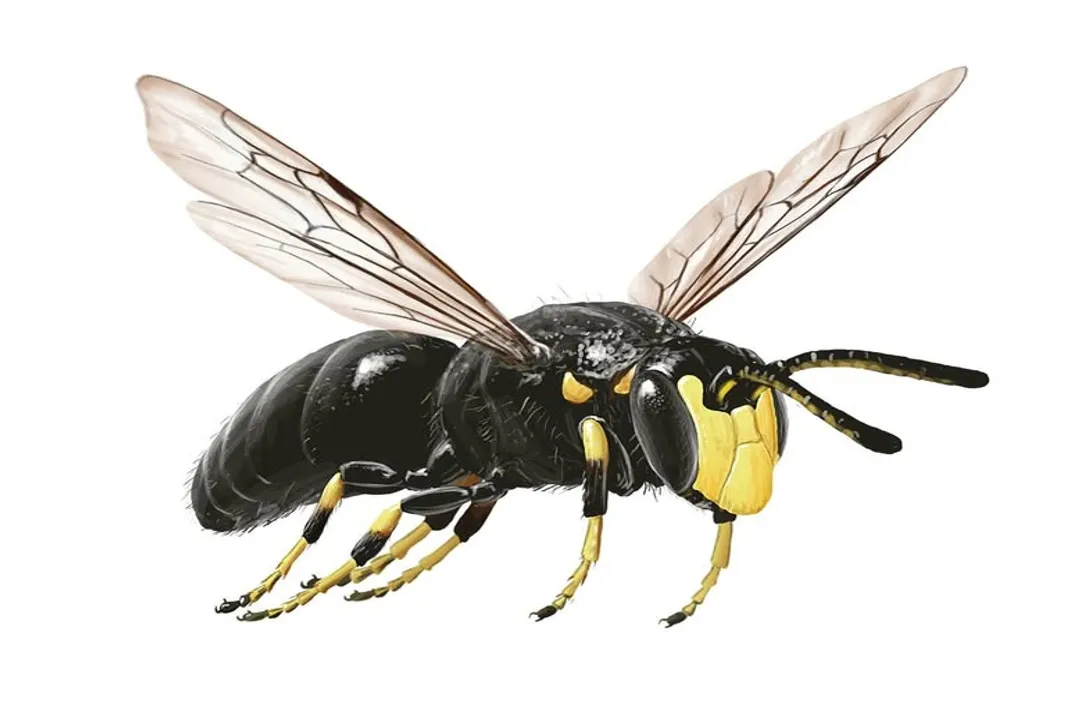
The yellow-faced bee, belonging to the genus Hylaeus, presents a fascinating departure from the typical image of a fuzzy, pollen-dusted insect buzzing around a flower head. These bees, often small and somewhat wasp-like in appearance due to their minimal hair, have a specialized way of managing their most critical resource: food. Understanding their diet is not just about listing flowers; it involves examining how they gather, store, and deliver sustenance to their developing young, a process unique among many common bee groups.
# Basic Energy Needs
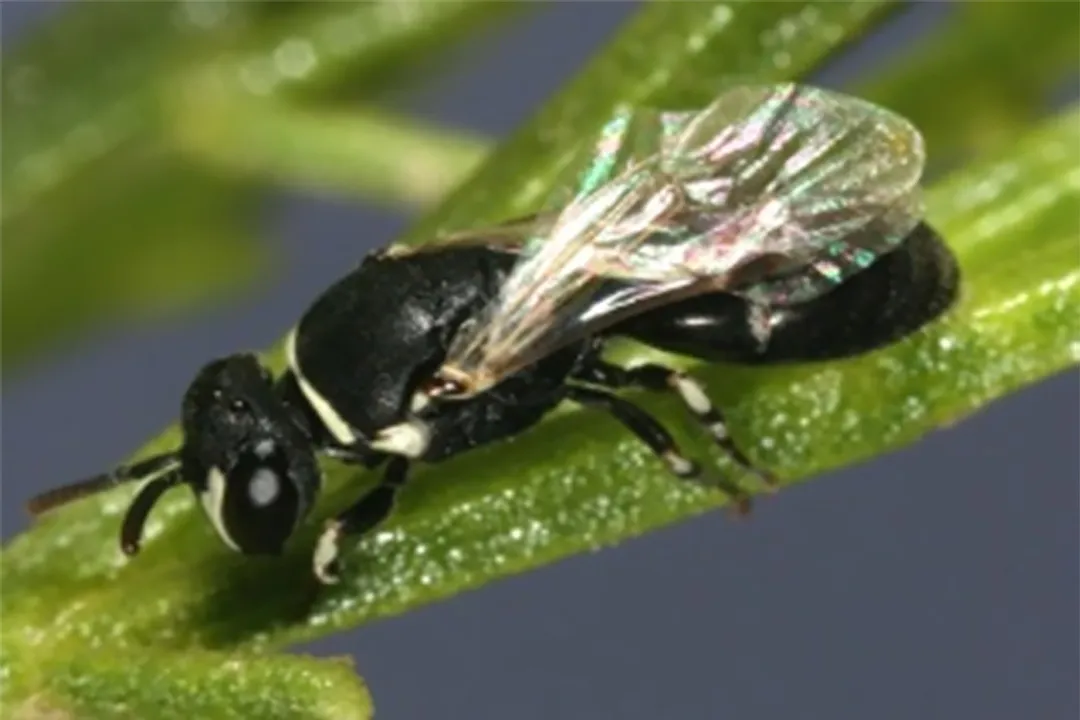
Like nearly all adult bees, the primary energy source for the yellow-faced bee is nectar. Nectar, being rich in sugars, provides the immediate fuel required for flight, foraging, and the general metabolic demands of an active insect. This liquid energy is lapped up directly from flowers while the bee is visiting them for other purposes. While the adult bees sustain themselves on this sugary intake, the collected pollen serves a different, equally vital purpose: feeding the larvae.
# Pollen Storage Method
What sets the yellow-faced bee apart in the world of apids is its method of pollen transport, which is intrinsically linked to how it manages its diet for reproduction. Unlike honey bees or bumblebees that pack pollen externally onto their hind legs in specialized structures called corbiculae, Hylaeus bees carry their pollen internally. The pollen grains are gathered from the flower and mixed with regurgitated nectar to form a moist, liquid paste or solution. This mixture is then stored in their crop (the honey stomach), essentially carrying it alongside their own nectar supply.
This internal storage strategy has distinct advantages and trade-offs. For a smaller, less hairy bee, external transport can be inefficient or difficult to maintain against wind or rain. By liquefying the pollen and carrying it internally, the bee effectively creates a pre-mixed, easily digestible larval food parcel. However, this reliance on internal storage means that any environmental contaminant—pesticides, for instance—ingested with the nectar or pollen mixture is directly passed into the larval food source without the natural filtering effect that might occur with external pollen loads. The Hawaiian species, for example, have faced conservation concerns that underscore the sensitivity of these systems to environmental shifts.
# Foraging Generalists
Yellow-faced bees are generally considered generalist foragers. This means that across their diverse native ranges—which include North America and extend to places like Hawaii where specific species like Hylaeus hilaris are found—they are not tied to a single plant species. They utilize a wide array of flowering plants for their nectar and pollen needs. In Hawaii, for instance, the diet composition of endemic Hylaeus species is a complex area of study, often involving native flowering shrubs and trees. For native North American populations, this generalist nature suggests resilience, allowing them to adapt their diet based on local seasonal availability.
A useful consideration for native bee conservation efforts is that a generalist diet requires a diversity of available plants throughout the bee's active season. If you observe a yellow-faced bee visiting a wide variety of flowers in your region, it’s a good sign that the local flora is meeting their broad nutritional requirements. Conversely, a sudden reliance on just one or two flower types might signal a local decline in preferred floral resources.
For gardeners aiming to support these bees, providing continuous blooms from early spring through late summer offers the best chance of meeting the energy needs of the adults and ensuring consistent pollen supply for nesting females. Since they are solitary nesters, the female bee must provision each individual cell within her nest with this food mixture before laying an egg. This provisioning cycle means a constant, steady supply of diverse floral resources is needed, rather than just a single large bloom event.
# Nutritional Implications and Conservation
The fact that the yellow-faced bee mixes nectar and pollen internally creates an interesting nutritional comparison to bees that pack dry pollen. Dry pollen, when packed externally, dries out, which can slightly alter the availability of certain nutrients over time. The Hylaeus approach provides a pre-hydrated, consistent nutritional slurry. This likely ensures larvae receive a standardized level of protein and essential amino acids, which are derived from the pollen grains themselves.
If we consider the energy expenditure, the act of mixing the food might be energetically more costly upfront than simply packing dry pollen. However, the potential time saved during nest provisioning—since the bee does not need to scrape off and pack external loads—might balance the energetic equation. For the bee, efficiency in provisioning is key, as they must create multiple individual food masses for their offspring without assistance. A fascinating element to consider is the relative speed of provisioning; a bee that can quickly mix and deposit a food ball inside a cell might be able to start the next cell sooner, increasing her reproductive output over a short season.
When thinking about habitat creation for these vital, though often overlooked, native pollinators, the physical characteristics of the flowers matter less than the availability of the pollen and nectar itself. Unlike bees with specialized mouthparts or leg structures, yellow-faced bees are relatively unconstrained by flower shape when collecting their food, though smaller, open flowers might still offer easier access to nectar pools. Their lack of specialized hair means they are not effective at picking up and carrying large quantities of dry pollen incidentally, reinforcing why the internal mixing strategy is so necessary for their reproductive success. They are efficient collectors of what they need, but they must be deliberate about packing that food source internally.
The conservation status of many Hylaeus species, particularly those endemic to places like the Hawaiian islands, highlights the fragility of their specialized dietary link to native flora. While generalists, changes in the native plant communities have a direct, immediate impact on their ability to provision cells successfully, often leading to population declines when preferred host plants diminish. Recognizing their internal feeding mechanism underscores why broad-spectrum insecticides can be devastating; the poison is delivered directly to the developing young, making them highly vulnerable to contaminated food sources gathered by the foraging mother.
Related Questions
#Citations
Species Profile for Anthricinan yellow-faced bee(Hylaeus anthracinus)
Yellow-Faced Bee - Hylaeus - USDA Forest Service
Masked bees - Yellow-faced bees - Hylaeus - NATIVE BEES
Hylaeus (bee) - Wikipedia
[PDF] Yellow-Faced Bees - Marine Corps Base Hawaii
Endangered Hawaiian Yellow-faced Bee Conservation > Learning ...
#FunFactFriday: Yellow-faced bees (Hylaeus spp.) are ... - Facebook
[PDF] Yellow-faced bee