Yellow Crazy Ant Diet
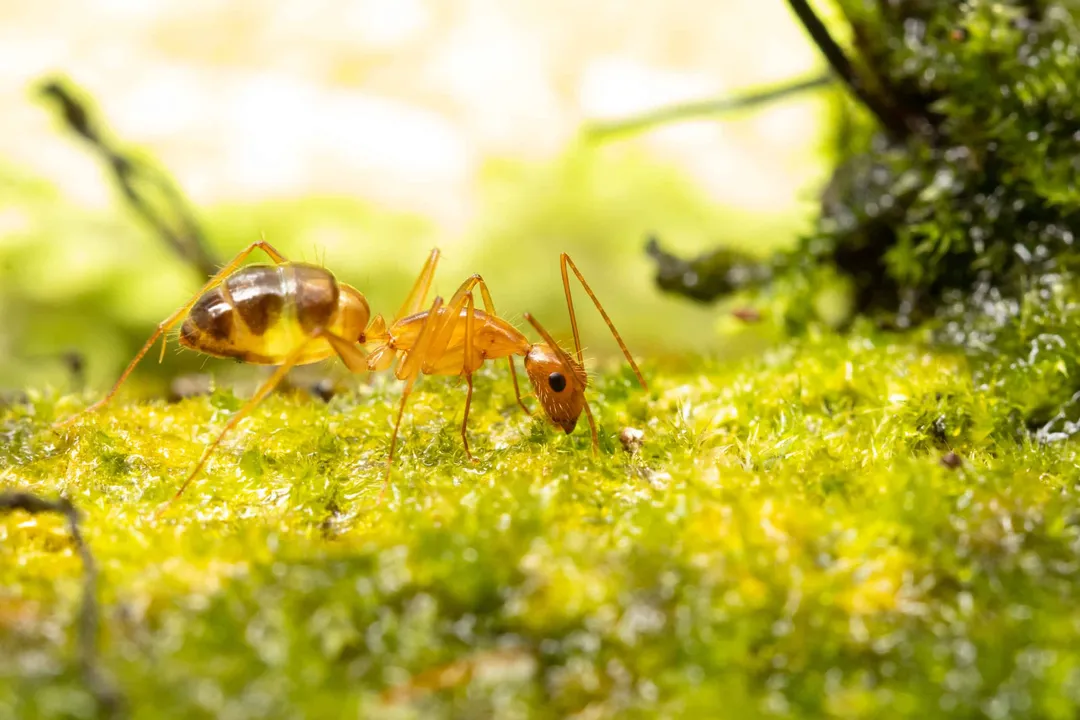
The feeding habits of the Yellow Crazy Ant, Anoplolepis gracilipes, reveal a creature defined by extreme adaptability rather than strict preference. These ants are classified as omnivores, meaning their survival hinges not on a single food source but on a varied intake encompassing carbohydrates, proteins, and fats. [1][2][3][4][7] This broad dietary spectrum is a significant factor in their success as a highly invasive species across various global ecosystems. [1]
# Omnivore Profile
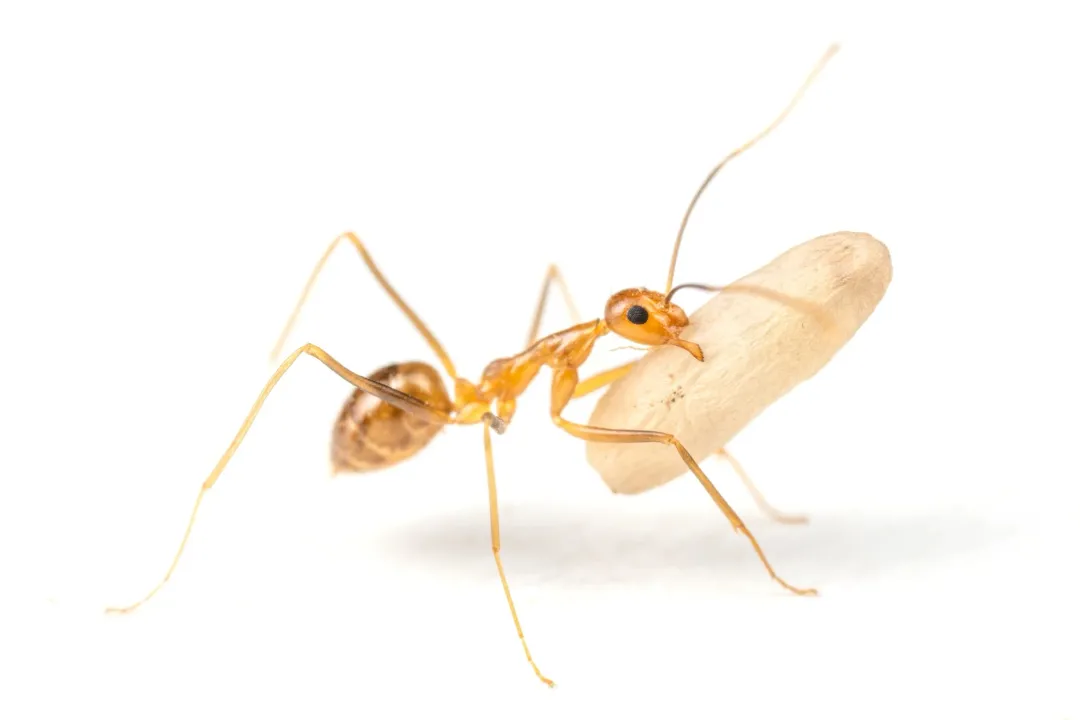
The basic nutritional needs of the Yellow Crazy Ant mirror those of many other ant species, yet their opportunistic approach allows them to exploit nearly any available food item in their vicinity. [3] Within their diet, carbohydrate sources are essential for fueling the daily activities of the colony, such as foraging flights and movement. [8] These sugars are primarily acquired through nectar and, perhaps most significantly, honeydew. [1][4][5]
Protein and fat components are equally necessary, playing a vital role in the growth of the colony, especially in nourishing the developing brood. [8] In a natural setting, these are sourced from consuming dead insects and, notably, small vertebrates. [2][7] When these ants are kept in captive colonies, keepers confirm this necessity by offering sugar water or diluted honey alongside protein items like crickets or mealworms. [8]
It is important to recognize the generalist nature of their feeding versus the specialized behaviors they adopt. While they will consume seeds, dead arthropods, and small animals, [4][7] their most consistent and managed food stream often involves interaction with other insects. [2][5]
# Insect Tending
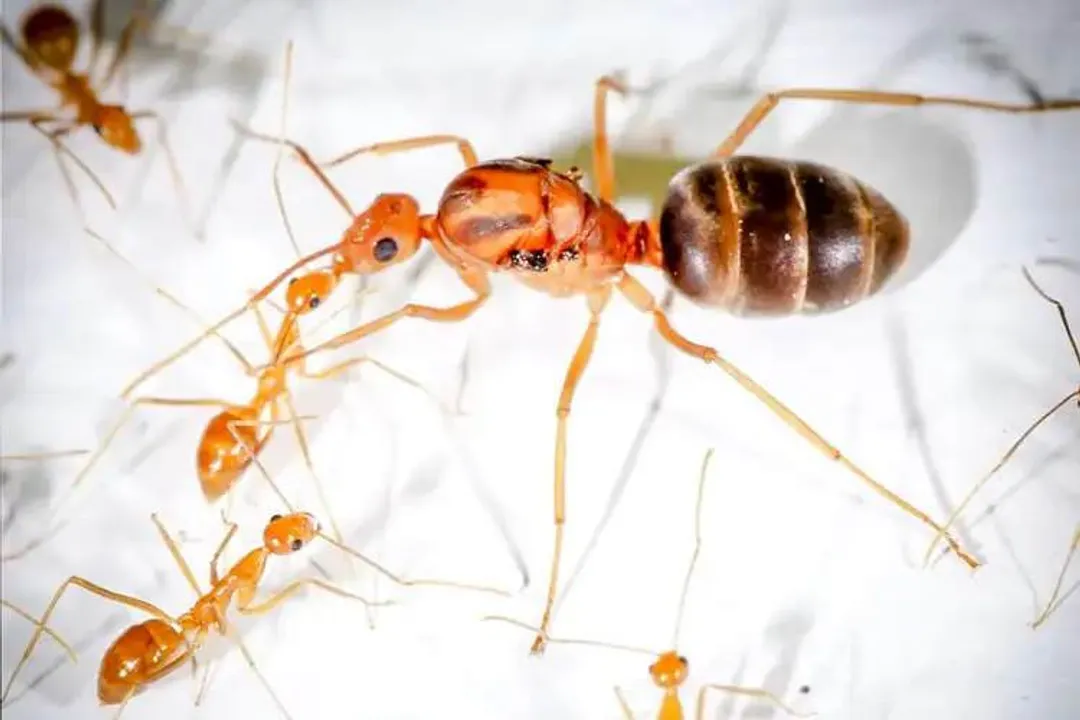
One of the most defining aspects of the Yellow Crazy Ant’s feeding strategy involves a type of insect agriculture or husbandry. They actively seek out and protect sap-sucking insects, specifically aphids and scale insects, on plants. [1][5] This relationship is mutualistic for the insects involved, but purely extractive for the ant. The scale insects and aphids excrete a sugary liquid known as honeydew as a byproduct of feeding on plant sap. [3]
The Yellow Crazy Ants aggressively herd these honeydew producers, guarding them against predators and competing insects. [2][5] By maintaining a secure environment for the honeydew producers, the ants ensure a steady, reliable source of high-energy carbohydrates delivered directly to them. [2] This behavior contrasts sharply with species that rely solely on random foraging for floral nectar, which can be highly seasonal or weather-dependent. The ability to cultivate a sugar source offers a substantial competitive advantage. [1]
# Foraging Success
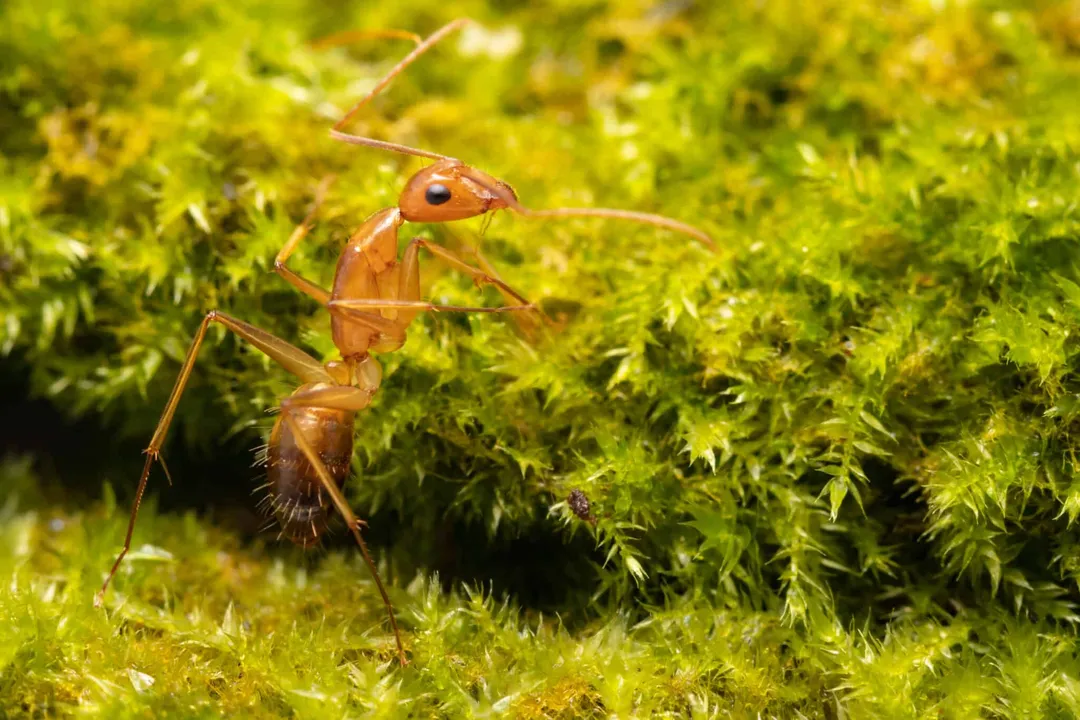
The collective foraging power of these ants, combined with their varied diet, allows them to displace native ant species across multiple environments. [1] They are exceptionally efficient foragers, quickly locating and exploiting new food sources. [6] This efficiency is amplified because they are not restricted to a single trophic level. If resources shift—perhaps a large predator dies, offering a rich protein cache—they exploit it; when new flowering plants emerge, they switch to nectar collection. [4]
This ability to rapidly switch between acquiring high-energy carbs (honeydew) and vital growth materials (protein/fat) means they can sustain rapid colony expansion when conditions are favorable, unlike specialists who might stall if their primary food type becomes temporarily unavailable. [1][6]
When considering the impact on ground-dwelling wildlife, the consumption of small vertebrates is particularly alarming. [7] This predatory component of their diet, where they overwhelm and consume small lizards, frogs, or ground-nesting birds, demonstrates their capacity to function as top-tier invertebrate predators when conditions align, demonstrating a significant ecological impact beyond simple competition for seeds or nectar. [2][7]
# Nutritional Flexibility
The Yellow Crazy Ant’s generalized omnivorous diet presents an interesting case study in invasive ecology. Most successful invaders are often described as generalists, but A. gracilipes exemplifies this concept by maintaining specialized behaviors within its generalist approach. They are not just randomly consuming what they find; they are actively managing their sugar intake via insect farming while simultaneously scavenging or preying upon high-value protein sources. [1][2][5]
A key analytical point lies in understanding how the balance of their diet shifts geographically. In environments where large, productive populations of honeydew-producing insects are easily established—perhaps due to the introduction of non-native crops or ornamentals that host them—the ants may prioritize carbohydrate acquisition through tending. [3] This allows the colony to focus energy on reproduction and growth, as the daily energetic needs are met by a managed resource.
Conversely, consider a situation in a relatively pristine, non-agricultural area where these scale insects or aphids are less prevalent. In such a scenario, the ants’ dietary focus must shift heavily toward scavenging dead biomass and opportunistic predation. [7] This reliance on predation for protein can intensify their impact on local fauna during periods when their cultivated sugar source is scarce. The fact that a single ant species can effectively transition between being a semi-sedentary "farmer" and an aggressive scavenger/predator highlights a remarkable metabolic and behavioral plasticity that contributes directly to their ability to persist across diverse latitudes and habitats. [8]
# Eradication Challenges
The breadth of the Yellow Crazy Ant diet makes chemical control measures significantly more complex than those targeting monophagous (single-food source) pests. Effective baiting programs often rely on presenting a very attractive food item that the foraging workers will carry back to the nest to feed the queen and brood. [8]
If a bait is formulated to be highly attractive to their sugar-seeking phase—for example, using something mimicking rich honeydew—it might be ignored if the colony is currently in a high-protein demand phase, such as when brood production is peaking. [8] Similarly, a protein-based bait might fail if the colony has secured ample natural protein sources through recent scavenging or predation but requires immediate carbohydrate energy to support increased foraging activity. [6]
This dietary duality means that successful management often requires rotation or simultaneous application of both carbohydrate and protein/fat-based baits, depending on the season and local environmental availability. For instance, targeting sugar-seeking ants in the late spring when plants are producing new growth might be effective, whereas late summer, when insects are dying off and protein is abundant, might necessitate a protein bait if the honeydew flow has slowed. [1][3] A property owner battling an infestation needs to recognize that what worked last month might not work today because the ants' internal nutritional needs have dictated a shift in their foraging priorities. [2] A complete eradication strategy must account for the current primary driver of the colony's foraging effort, which is directly linked to the cyclical availability of both sugars and proteins in the immediate environment. [4]
Related Questions
#Citations
Yellow crazy ant
Yellow Crazy Ants: How to Care (Anoplolepis Gracilipes)
Yellow Crazy Ant
Yellow crazy ant - Displaced by the Misplaced
Meet The Invaders: Yellow Crazy Ants
Crazy Ant Identification & Facts
Yellow Crazy Ant Insect Facts - Anoplolepis gracilipes
Yellow Crazy Ants - Care Guide and Ecology