Yellow-faced Bee Locations
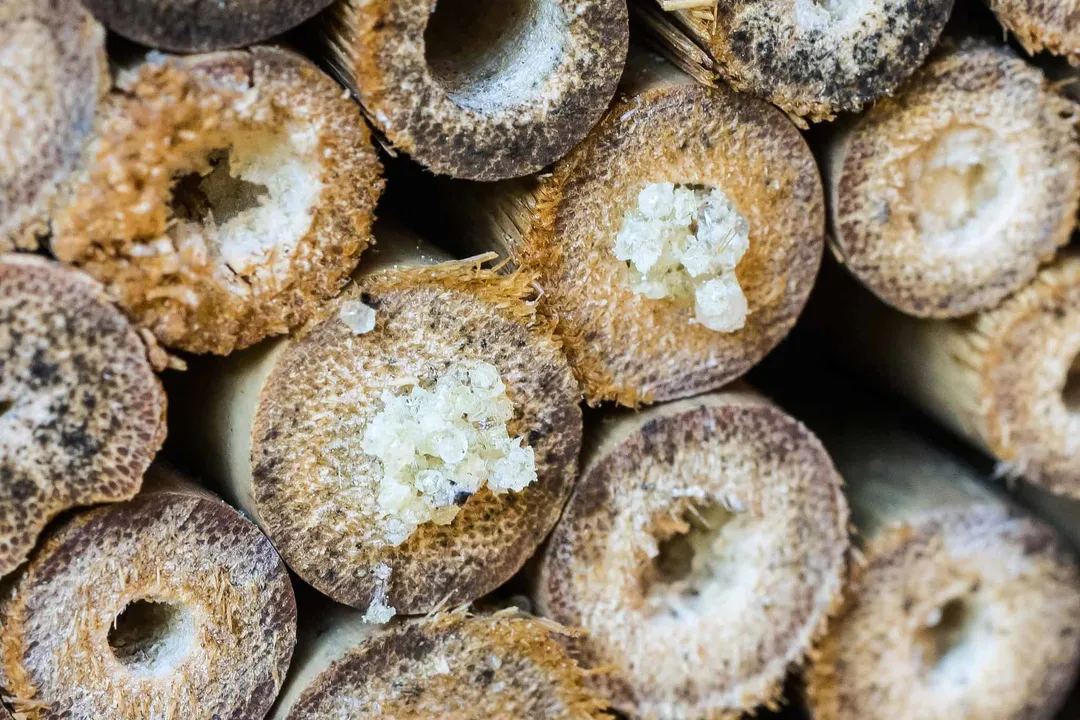
The small, slender bees commonly referred to as yellow-faced bees belong primarily to the genus Hylaeus, a group known globally but holding particular significance within the Hawaiian Islands due to several endemic and critically imperiled species. Unlike many familiar bees that carry bright yellow or orange pollen sacks on their hind legs, these bees are rather unassuming; they are small, dark, and lack external pollen baskets, instead storing pollen in their social stomachs, or crops, to carry back to their nests. This characteristic is key to identifying them in the field, though their primary distinction across different regions is often their location of discovery. While the genus Hylaeus is widely distributed across the world, absent only from Antarctica, the most intense focus on specific "locations" centers on the native Hawaiian members of the group, many of which are now legally protected.
# Island Focus
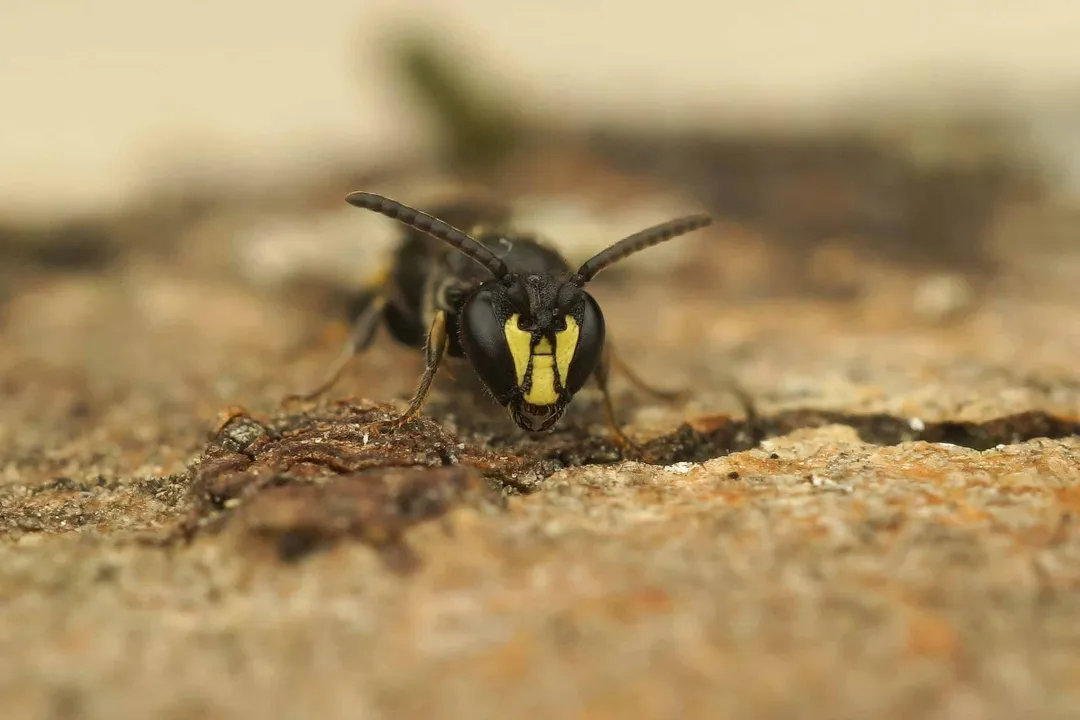
The geographic concentration that defines the search for certain yellow-faced bees is overwhelmingly the state of Hawaii. Within the archipelago, several species of Hylaeus have evolved in isolation, leading to a high degree of endemism—meaning they are found nowhere else on Earth. This isolation has placed many of these unique native pollinators at severe risk. In fact, the United States Fish and Wildlife Service (USFWS) has listed seven distinct Hawaiian yellow-faced bee species as endangered. This designation highlights that the "locations" of these specific bees are not just islands, but often highly restricted, fragmented patches of suitable native habitat within those islands.
If you are specifically looking for information related to these federally listed species, the key areas of concern are the islands of Oahu and Molokai, based on known recoveries and historical range data for the most critically threatened populations. This contrasts sharply with the genus's global ubiquity; while a bee named Hylaeus communis might be observed in gardens in Europe, that observation has no bearing on the location of the endangered Hawaiian Hylaeus populations.
# Oahu Range
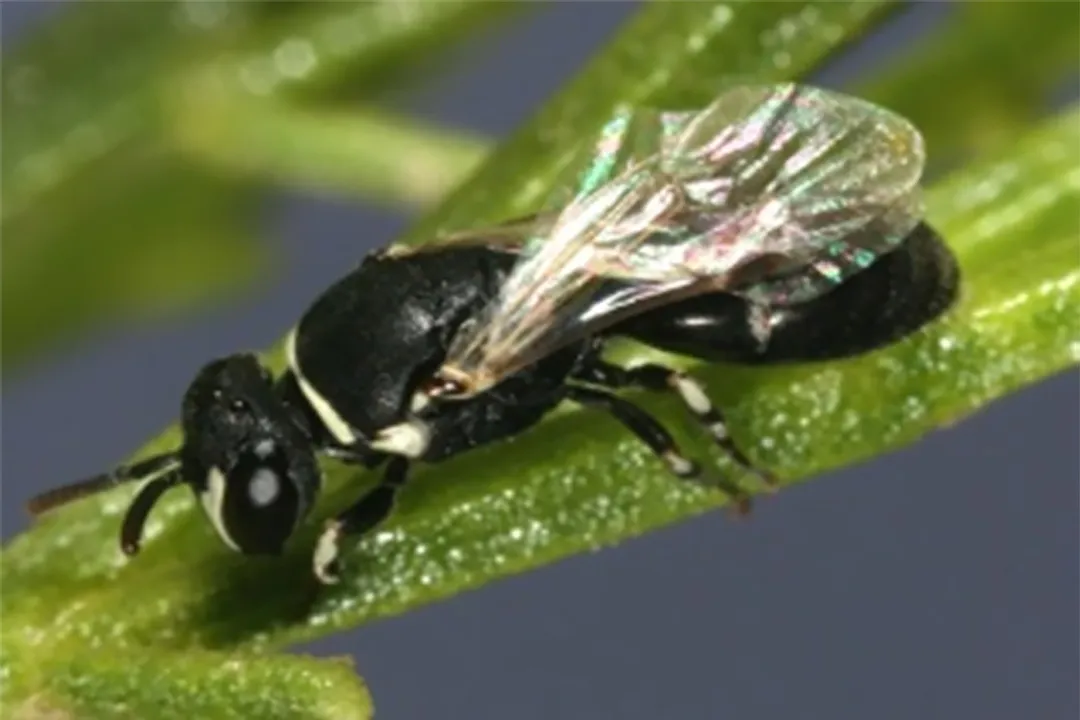
Oahu serves as a critical location for the survival of several of these at-risk pollinators. For instance, Hylaeus anthracinus, one of the endangered species, has confirmed historical and current locations spanning several distinct ecological zones across the island. Its known range includes the dry forests and shrublands of the Waianae Mountains, an area known for its unique microclimates. It is also recorded in the Ko'olau Mountains and the Honolulu area.
Another species, Hylaeus assimilans, shares the Waianae Mountains but is also potentially found on Molokai. The locations occupied by these bees are intrinsically tied to the specific native plant communities they rely upon for nectar and pollen resources, often favoring dry forest and shrubland habitats over more developed or intensively farmed areas. It is fascinating to note that even on a relatively small island like Oahu, the difference between a few miles separating the Waianae range from the Ko'olau range can represent vastly different ecological pressures, potentially leading to genetic isolation between localized populations of the same bee species. Conservation efforts, therefore, must be highly localized, focusing on maintaining the integrity of these specific remnant habitats across the island's mountain systems.
# Species Profiles
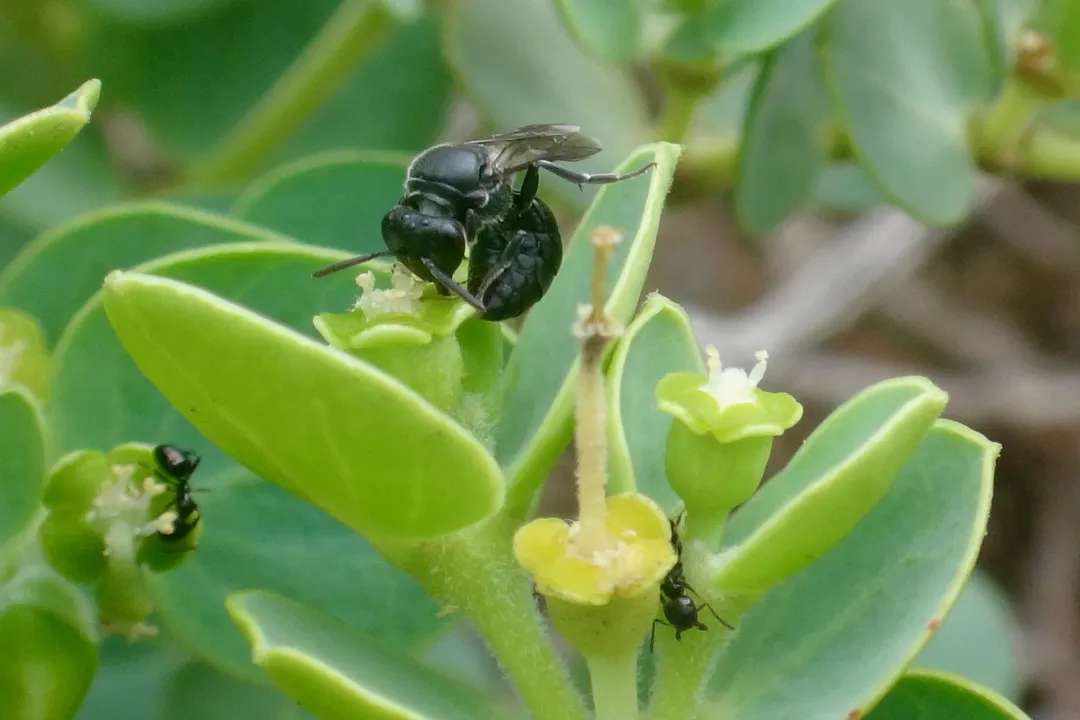
Understanding the locations requires a brief look at the specific species involved, as their individual ranges can vary slightly even on the same island.
| Species Name | General Location Notes | Conservation Status Context |
|---|---|---|
| Hylaeus anthracinus | Oahu (Waianae Mts, Ko'olau Mts, Honolulu area) | Endangered |
| Hylaeus assimilans | Oahu (Waianae Mts), possibly Molokai | Endangered |
| Hylaeus daulensis | Oahu | Endangered (Part of the 7 listed species) |
| Hylaeus hilaris | Oahu | Endangered (Part of the 7 listed species) |
The USFWS lists seven species in total as endangered, indicating a significant portion of the native Hawaiian Hylaeus contingent faces extreme risk. When observing a small, dark bee in Hawaii, distinguishing which of the native species it is, or if it is an introduced species, requires expert knowledge of floral associations and minute morphological details, as many of the native species are visually quite similar.
# Management Areas
For those interested in where conservation efforts are actively focused—which often correlates with where populations still persist—military lands have become surprisingly important refugia. For instance, Marine Corps Base Hawaii (MCBH) on Oahu actively manages lands that provide habitat for several of these native insects. These areas often protect large tracts of native forest and shrubland that have been less impacted by development compared to surrounding civilian areas. This necessity highlights a critical aspect of modern conservation: protection zones frequently overlap with lands set aside for non-conservation purposes, emphasizing that habitat persistence is often accidental rather than perfectly planned. The focus in these management areas is often on controlling invasive plant species that displace the native flora the bees require, a direct, localized action to secure their habitat locations.

# Genus Distribution
While the urgency of locating the endangered Hawaiian species is clear, it is worth reiterating that the name "yellow-faced bee" applies to a much wider group of insects. If one encounters a Hylaeus bee outside of the Hawaiian Islands—say, in North America or Europe—the context shifts entirely. These non-Hawaiian populations are generally not the subject of federal endangered species listings, though local populations may still face threats from habitat loss. A reader observing a small, dark, solitary bee collecting pollen in their local park might correctly identify it as a Hylaeus, but it would be a different species entirely, likely common to their region. A practical way to consider this geographical difference is to recognize that the conservation status of a "yellow-faced bee" is entirely dependent on its address; a sighting in an urban area of California likely indicates a common local species, whereas a sighting in a remote dry forest on Oahu points to a potentially rare and protected native. This geographical specificity is the most important takeaway for anyone tracking the locations of these fascinating insects.
Related Questions
#Citations
Yellow-Faced Bee - Hylaeus - USDA Forest Service
Yellow faced bee (Hylaeus assimulans) - Xerces Society
Nalo Meli Maoli (Yellow-faced Bees)
Species Profile for Easy yellow-faced bee(Hylaeus facilis) - ECOS
Large Yellow-face Bee - Hylaeus signatus - NatureSpot
Hylaeus (bee) - Wikipedia
[PDF] Yellow-Faced Bees - Marine Corps Base Hawaii
Yellow-faced Bee Insect Facts - A-Z Animals