Yellow-faced Bee Facts
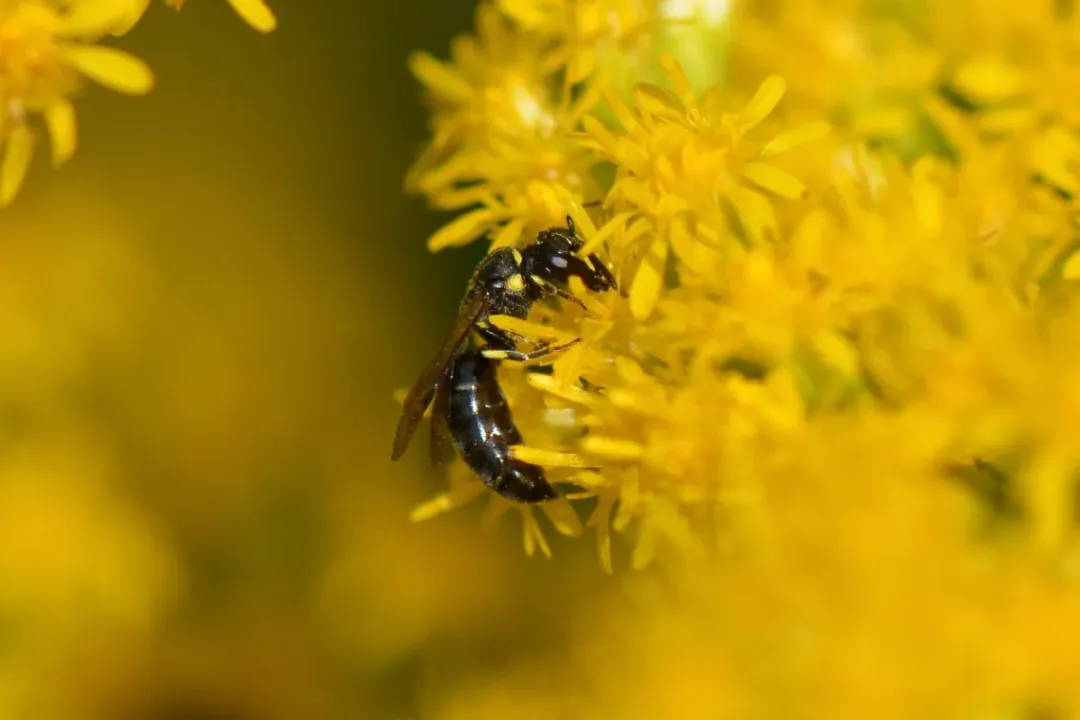
Yellow-faced bees, belonging to the genus Hylaeus, represent a fascinating group of solitary insects often overlooked when compared to their familiar, fuzzy cousins like honeybees or bumblebees. Unlike many other bee types, these small insects are relatively smooth and lack the dense hair that helps other bees carry pollen externally. This unusual appearance and behavior make them distinctive inhabitants of various ecosystems around the world, including the islands of Hawaii, where several species face serious threats. They are generally small, often measuring around one-quarter inch in length, and their coloration can vary, though many possess a dark body contrasted by pale yellow or white markings on their face, which gives the group its common name.
# Genus Traits
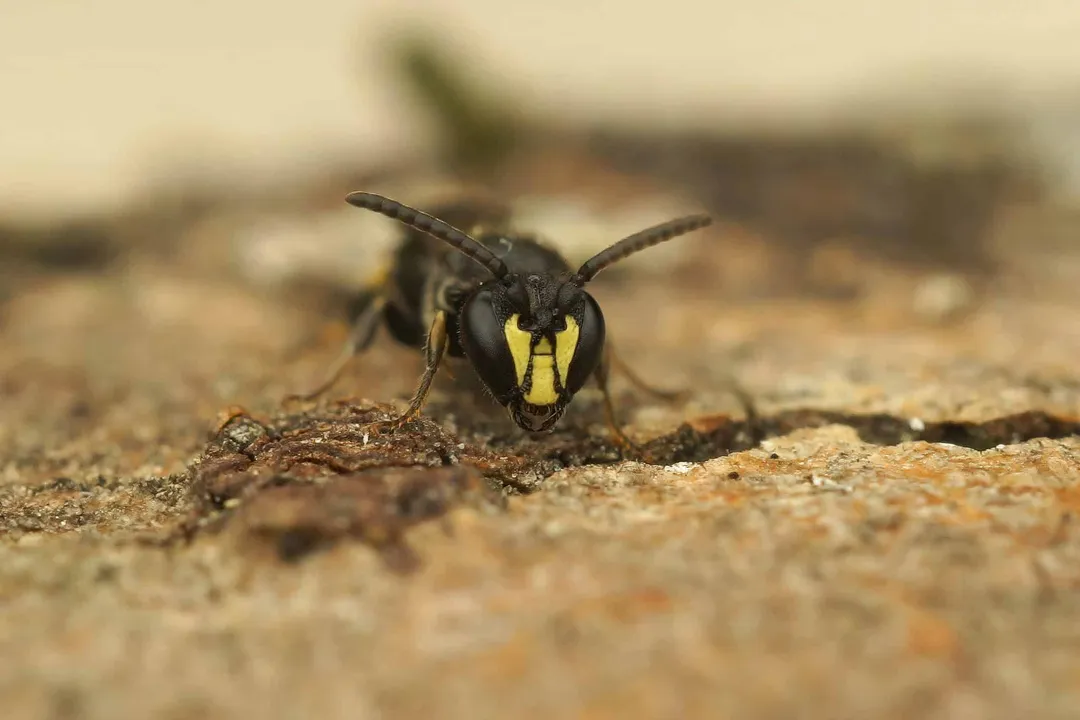
The genus Hylaeus itself is large, encompassing over 500 species globally, making it one of the largest genera within the Apoidea superfamily. They are distributed widely across the world, though their presence is particularly noted in certain regions. While they share the fundamental role of pollination with other bees, their method of gathering and transporting pollen is what sets them apart most significantly. Instead of storing the sticky grains on specialized hairs on their legs, as many other bees do, Hylaeus bees have evolved a very different strategy.
# Unique Carrying
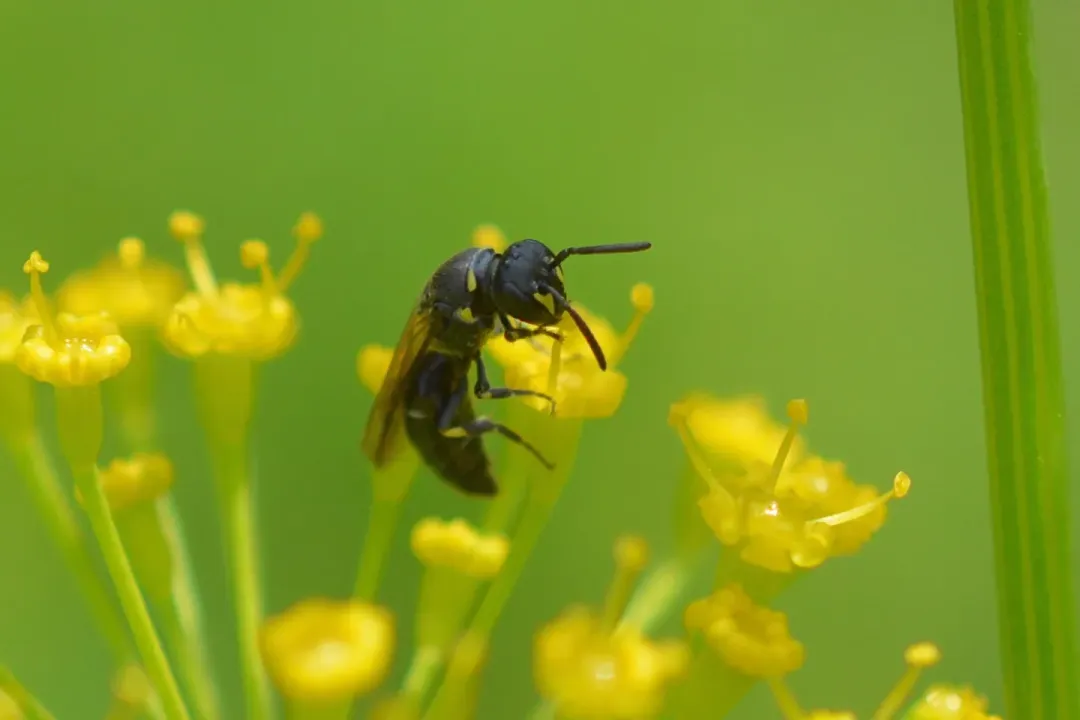
This unique method involves regurgitating nectar mixed with pollen, which they then store in a special internal stomach called the crop, similar to how they store honey or nectar for immediate consumption. This mixture, known as liquid pollen, is carried back to the nest site for their young. This trait is a defining characteristic of the subfamily Colletidae, to which Hylaeus belongs, and it helps explain why they appear so sleek and un-dusted with pollen grains. Because they transport pollen internally as a liquid slurry, they are effective pollinators when foraging, transferring pollen grains as they move from flower to flower.
For gardeners hoping to support these specialized pollinators, understanding this difference is key: you won't see them exhibiting the characteristic "pollen baskets" (corbiculae) found on honeybees. This means they rely heavily on flower structure to deposit pollen effectively during feeding, making diverse, open-faced flowers especially valuable resources for them.
# Hawaiian Species
The Hawaiian islands host several endemic species of yellow-faced bees, which have evolved in isolation and are now a major focus of conservation efforts due to their extreme vulnerability. In Hawaii, they are often referred to by their Hawaiian name, nalo meli maoli. There are four species in Hawaii that have been proposed for listing under the Endangered Species Act: Hylaeus anthracinus, Hylaeus longiceps, Hylaeus mana, and Hylaeus kuakea.
These native Hawaiian bees are considered crucial components of their island ecosystems, having co-evolved with native Hawaiian flora. Losing these specialized pollinators could have cascading effects on the reproduction of native plants that depend on them for cross-pollination.
# Hylaeus anthracinus
Hylaeus anthracinus is one of the species under consideration for protection, found across several Hawaiian islands including Oahu, Maui, Molokai, and Kauai. Its appearance is generally noted as being black with yellow markings on the face. Historically, this species was widespread, but its distribution has become more fragmented over time.
# Hylaeus kuakea
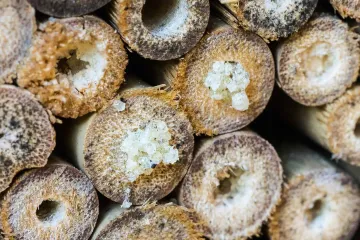
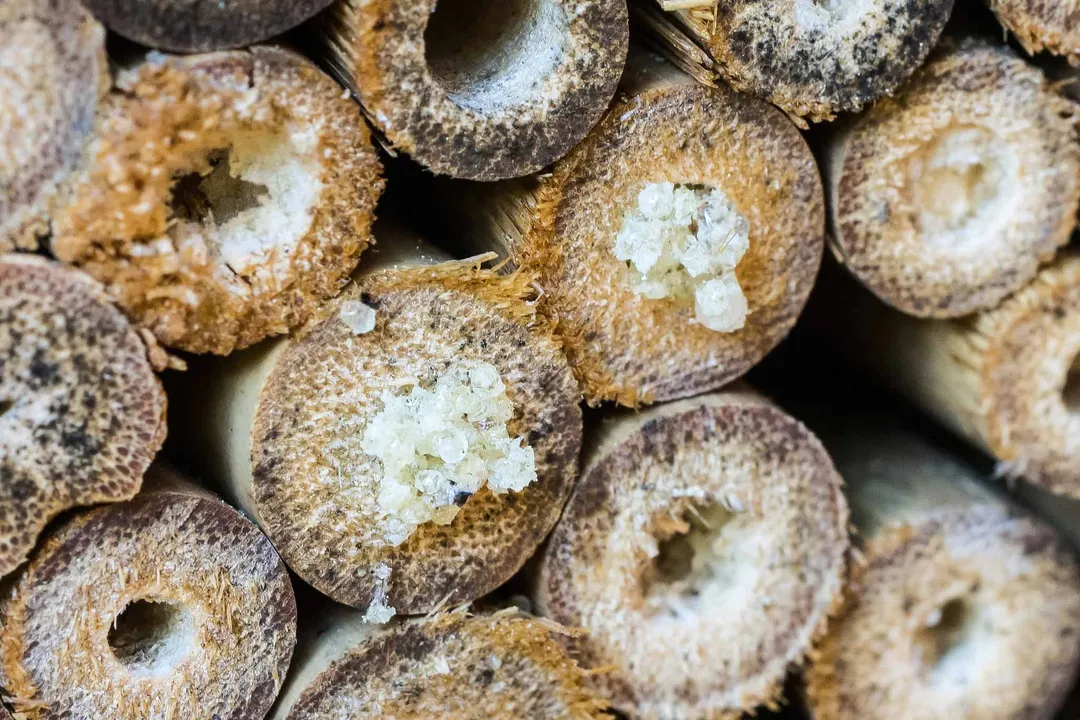
The species Hylaeus kuakea, sometimes called the yellow-faced bee, is found in the dry forests of West Maui and West Oahu. It is a very small bee, with females measuring about 3.5 to 4.5 millimeters long. These bees utilize tunnels in wood for nesting, a characteristic shared by several Hylaeus species. They are also known to nest in pre-existing cavities, such as holes made by beetles in dried wood or plant stems.
# Hylaeus hilaris
Another Hawaiian species, Hylaeus hilaris, is also a species of significant concern. Like its relatives, it relies on specific native host plants for its life cycle. The fact that these species have distinct, often small, geographical ranges makes them exceptionally susceptible to localized threats like habitat loss or invasive species.
# Continental Relatives
While the Hawaiian species garner significant attention due to their endangered status, the genus includes at-risk members in other regions as well, such as the Pacific Northwest of North America. Hylaeus anomalus is an example of a species in the United States listed as a species of conservation concern. This species is known to utilize naturally occurring cavities in wood for nesting.
For those of us managing landscapes outside of Hawaii, recognizing the presence of native Hylaeus species is an exercise in looking closer at your local solitary bee population. Many species, like H. anomalus, will nest in pithy stems or pre-existing holes, which is a good indicator for habitat provision. If you notice small, perfectly round exit holes—often about the diameter of a pencil lead—in dead branches or old stems in your yard, it might be a sign that a solitary bee, possibly a Hylaeus, has recently emerged from its nursery. Providing a variety of stem thicknesses in your brush piles or leaving some dead stalks standing through winter can directly benefit these cavity-nesting insects.

# Threats and Decline
The pressures facing yellow-faced bees, especially the endemic Hawaiian populations, are complex and severe. Habitat destruction and degradation are primary concerns, as the native forests they depend on are often fragmented or lost entirely to development and agriculture. Invasive species also play a damaging role; this includes both invasive plants that outcompete the native flora the bees need for food, and invasive predators that hunt the bees themselves.
In Hawaii, for instance, the introduction of non-native ants is a significant problem, as these ants can aggressively raid the small nests of native bees, consuming the stored pollen provisions or the developing larvae directly. Furthermore, the bees rely on native flowering plants, many of which are also declining, creating a critical food shortage. The small geographical ranges of the Hawaiian species mean that a single localized event, such as a severe wildfire or a burst of invasive plant spread, could wipe out a significant portion, if not the entirety, of a particular species’ population.
# Nesting Material
A common thread among many Hylaeus species is their method of building their individual nest cells. After finding a suitable cavity, the female bee constructs individual cells within that tunnel using a specialized, cellophane-like substance. This material is secreted from glands and used to line the cell walls before the pollen-nectar provision is added and an egg is laid. This thin, protective lining is characteristic of the family Colletidae, giving them the alternative common name, "cellophane bees". This delicate construction helps keep the developing larvae and their food supply protected within the dark cavity until they are ready to emerge as adults.
The structure of the nest—whether it's a hollow reed, a beetle burrow, or a drilled hole in wood—determines the shape and size of the gallery, but the principle of creating individual, paper-thin walled chambers remains consistent for the provisioning stage. Observing this behavior is difficult, as the nesting activities happen entirely hidden from view, which adds another layer of challenge to studying and conserving them.
# Conservation Outlook
The future for several yellow-faced bee species hinges on active, targeted conservation measures. In places like Hawaii, this involves intensive management to protect remaining high-quality native habitats from invasive plants and pests. For species like H. anthracinus and H. hilaris, ongoing monitoring is necessary to track population trends and the effectiveness of habitat protection.
When thinking about supporting at-risk native bees in a garden setting, the focus should shift from quantity of blooms to quality of structure and planting diversity. For example, if you are in a region where the Hylaeus group is present, planting a succession of native, easily accessible flowers that bloom from early spring through late summer provides a steady, high-value food source, which is often more beneficial than planting a massive display of a single, highly hybridized ornamental flower that might offer poor nectar or pollen quality. Because these bees are solitary and don't form large hives, conservation efforts often focus on maintaining small, undisturbed patches of suitable habitat rather than managing large colonies. It is a quiet, landscape-level effort that benefits them most.
Related Questions
#Citations
Species Profile for Easy yellow-faced bee(Hylaeus facilis) - ECOS
Hylaeus (bee) - Wikipedia
Nalo Meli Maoli (Yellow-faced Bees)
Masked bees - Yellow-faced bees - Hylaeus - NATIVE BEES
Yellow faced bee (Hylaeus anomalus) - Xerces Society
Yellow-faced Bee Insect Facts - A-Z Animals
Yellow-faced Bees - Native Beeology
Hylaeus kuakea Facts for Kids