Are yellow-faced bees aggressive?
The common name "yellow-faced bee" can lead to significant confusion because it applies to several different types of native insects, which changes the expected answer regarding their temperament. When the public asks if these bees are aggressive, they are usually looking for a simple yes or no regarding the likelihood of being stung while gardening or walking outdoors. The reality is that most bees sporting yellow facial markings are, by nature, extremely non-confrontational. [2][5] They are essential local pollinators, and their primary focus is foraging, not conflict. [1]
# Identifying the Faces
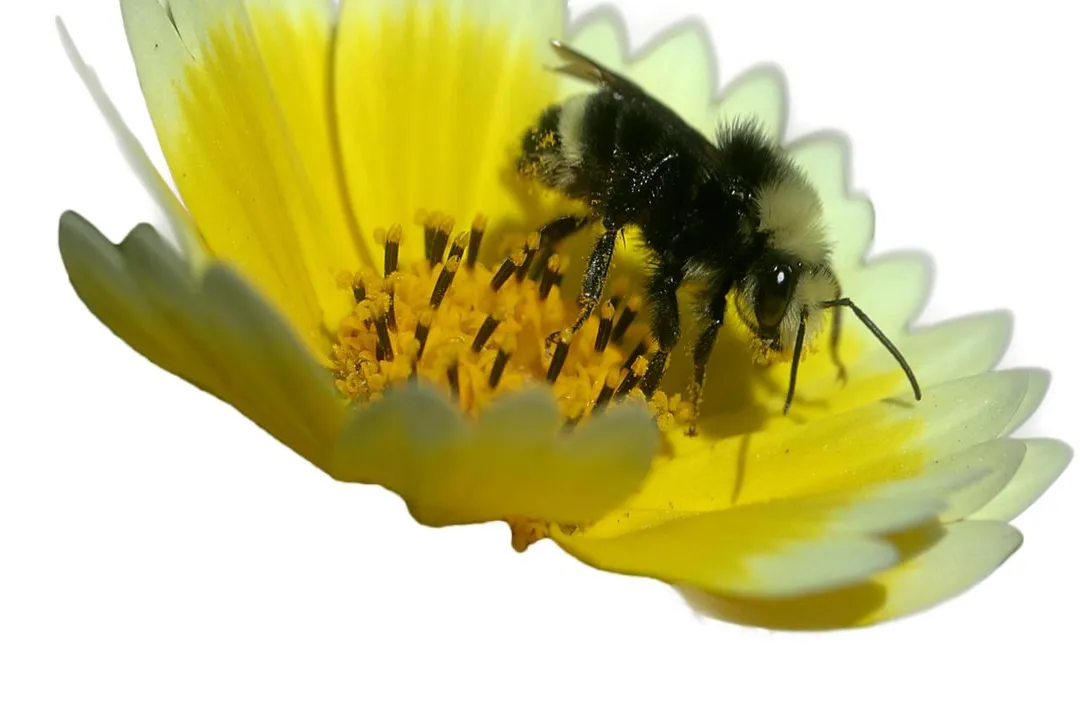
The visual cue of yellow on the face can point toward two main groups: the small, sleek bees belonging to the genus Hylaeus, sometimes called masked bees, or the fuzzy, robust members of the bumblebee genus, such as Bombus vosnesenskii. [1][2] The Hylaeus species are often very small, sometimes appearing wasp-like, and are solitary nesters. [2] In contrast, the yellow-faced bumblebee, Bombus vosnesenskii, is a well-known native species found in areas like the Pacific coast, recognized for its dense fur and important role in pollination. [1]
It is also worth noting that sometimes people confuse other insects, like carpenter bees, with these yellow-faced varieties, which contributes to the perception of widespread aggression. [9] Understanding which specific bee you are observing is the first step in accurately assessing any potential risk.
# Solitary Nature
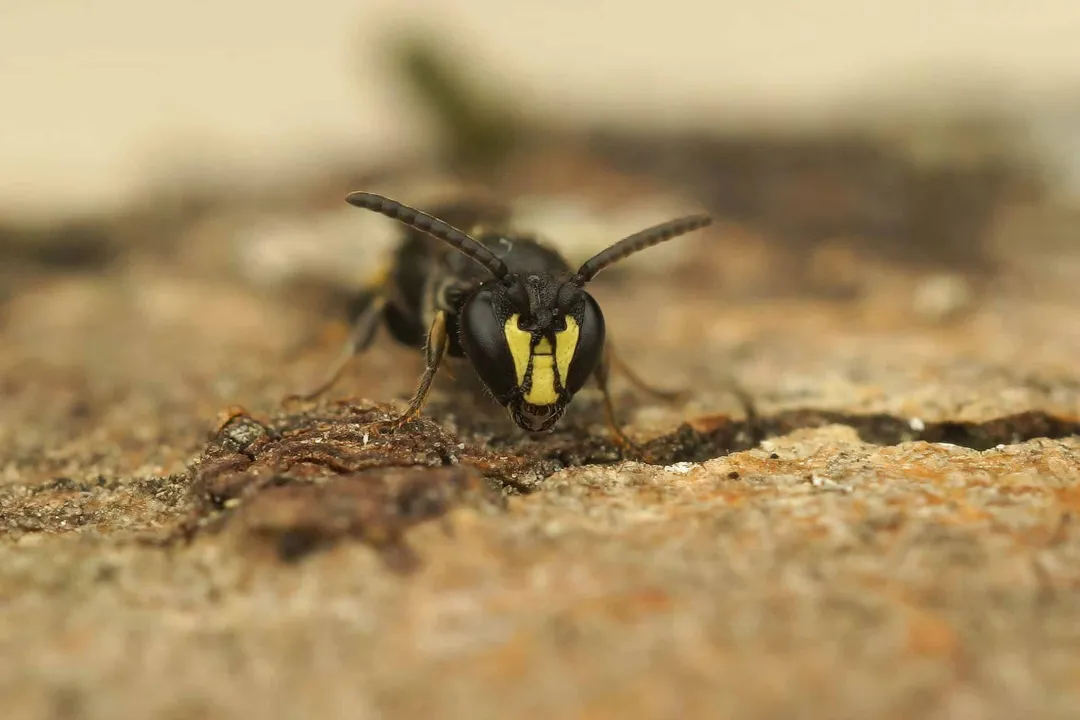
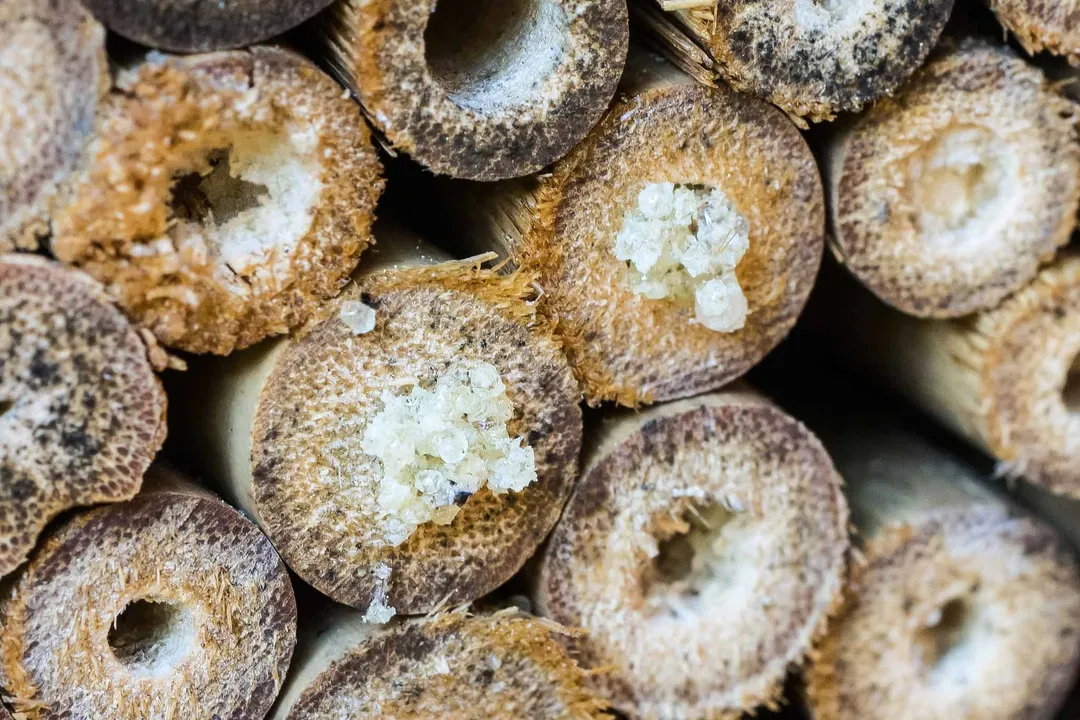
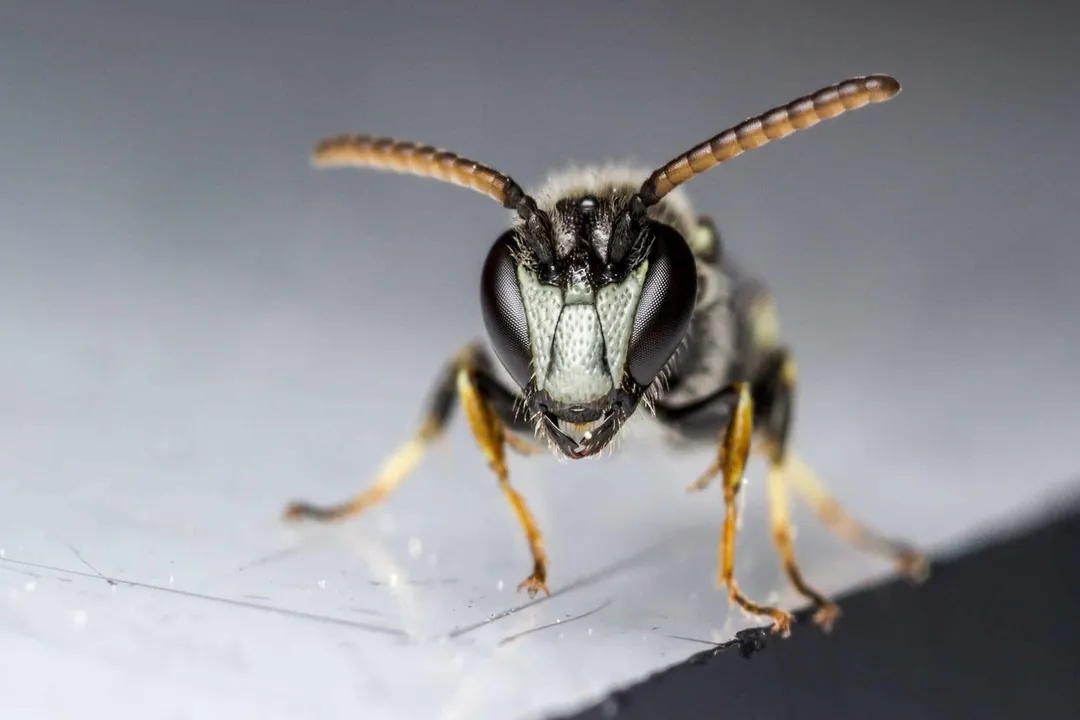
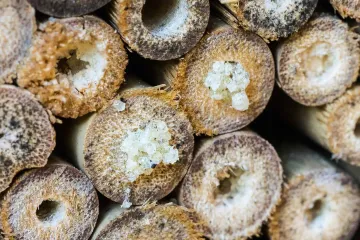
Bees in the Hylaeus genus, which fit the general description of having yellow faces, are solitary creatures. [2] This means they do not live in large hives or colonies maintained by a queen and workers, like honey bees do. Instead, each female builds and provisions her own small nest, usually in pre-existing cavities in wood or pithy stems. [4][8]
Because solitary bees lack a large communal structure to defend, they generally possess no inclination toward aggression toward humans or pets. [2] Their stingers, if they possess one at all, are rarely used because there is no colony to protect. Furthermore, a key piece of general entomological knowledge is that in many solitary bee species, only the females possess a stinger, and even they will only employ it as an absolute last resort if physically trapped or crushed. [4] If you observe a small, yellow-marked bee diligently visiting flowers, it is performing vital work and is highly unlikely to cause alarm. [5]

# Bumblebee Temperament
The yellow-faced bumblebee, Bombus vosnesenskii, while a social species compared to Hylaeus, still maintains a surprisingly mild disposition. [1] Bumblebees are generally known for being gentle pollinators. [5] While they do live in colonies and possess stingers, their primary defense strategy is not confrontation. They are usually quite tolerant of nearby human activity, focusing intently on gathering nectar and pollen. [1]
When a bumblebee does sting, it is typically a defensive reaction to perceived immediate danger, such as being trapped against the skin or having its nest physically disturbed. [1] Unlike honey bees, a bumblebee can sting multiple times without dying, but this requires a significant threat perception on the bee’s part.
It is important to differentiate between Bombus vosnesenskii and other species that might share a similar name or appearance. For instance, some literature notes species like Bombus flavifrons and categorizes them in ways that might sound alarming, perhaps due to potential property damage caused by nesting habits, rather than overt aggression toward people. [6] The key takeaway remains that the common, visible yellow-faced bumblebee in many North American areas is not habitually aggressive.
# Misidentification Risks
One of the primary reasons people suspect these gentle bees are aggressive is simply getting the identification wrong. [9] As noted, carpenter bees are frequently confused with bumblebees due to their size and coloring, though true carpenter bees often have a shiny, black abdomen whereas bumblebees are fuzzy all over. [9]
Carpenter bees (especially males) can be territorial and may hover near wood structures or make loud buzzing noises as they investigate, which can easily be interpreted as an aggressive display when, in fact, the male lacks a stinger entirely. [9] If you are encountering a large, fuzzy bee that seems overly interested in you but isn't making contact, chances are high that it is a male carpenter bee simply investigating its surroundings, or a male bumblebee that is unable to sting. [9] A practical way to gauge the actual threat level is to remember that the only bees capable of stinging are the females of the species.
When assessing a potential encounter, understanding the difference between curiosity and aggression is vital. A solitary bee investigating a damp piece of wood is seeking nesting material; a bumblebee hovering near its nest entrance is guarding its home, not seeking out threats in the flower patch.
# Assessing Actual Threat
If you are concerned about aggression, focusing on the bee's behavior rather than just its appearance offers a clearer picture. A bee that is actively moving from flower to flower is engaged in foraging, an activity where it has no interest in stinging. Aggressive behavior, while rare in these species, usually involves sustained buzzing near your head or body, or repeated landing and probing motions against your clothing—actions signaling alarm or defense. [1]
It is helpful to consider the local context of bee populations. For example, in areas where Bombus vosnesenskii is common, understanding the seasonal cycles can help. Early in the season, you may see solitary queens searching for nesting sites before the main colonies are established, which might explain unusual solitary activity. [1]
Here is a brief comparison to keep in mind when assessing the situation:
| Feature | Hylaeus (Masked Bee) | Bombus vosnesenskii (Bumblebee) | Carpenter Bee (Often Confused) |
|---|---|---|---|
| Size | Very small, slender | Large, fuzzy | Large, often with a shiny black abdomen |
| Nesting | Solitary, small cavities | Small social colony | Solitary/semi-social, drills wood tunnels |
| Aggression Risk | Extremely Low (females rarely sting) | Low (will defend nest if provoked) | Low (males cannot sting; females rarely sting) |
| Primary Concern | Pollination | Pollination | Potential wood damage |
When observing these creatures, an important guideline involves respecting personal space. If you are near a known hive entrance or nesting site, moving slowly and deliberately minimizes the chance of accidental provocation. [1] If you are simply near a flower patch, the risk drops nearly to zero. Think of it this way: an animal expending valuable energy to sting you has to perceive a benefit, and for a forager, stinging is a waste of time and risks the bee's own life if it's a honey bee, or is simply not worth the effort for a solitary native species. [2]
# Safe Observation Tips
For gardeners and nature enthusiasts who want to appreciate these beneficial insects without worry, a few simple actions ensure safe coexistence. First, never attempt to catch, trap, or spray any bee you encounter; this is the fastest way to turn a passive insect into a defensive one. [9] Treat all bees, even the large, fuzzy ones, with respect for their need to work undisturbed.
If you notice a specific area where several bees seem to be concentrated, pause and watch from a short distance, perhaps ten feet away. Are they landing and immediately flying off to another flower? That’s foraging. Are they repeatedly bumping into a specific spot on a wooden railing or beam? That’s nesting behavior, and you should give that area a wider berth until the activity subsides. [4]
One helpful consideration for long-term garden management involves providing alternative, appealing nesting sites away from human traffic. For instance, leaving a few patches of pithy, dead plant stems standing over winter can offer excellent, safe housing for solitary bees like Hylaeus, directing their activity away from porch overhangs or seating areas. [4] This proactive management, rooted in understanding their natural requirements, is far more effective than reacting to perceived threats. Ultimately, the yellow-faced bees encountered in gardens are allies in the ecosystem, and their aggressive potential is generally minimal unless they or their home are directly threatened. [1][5]
Related Questions
#Citations
Give Bees a Chance: Yellow-Faced Bumblebee (Bombus ...
Hylaeus (bee) - Wikipedia
Yellow-faced Bee Insect Facts - A-Z Animals
[PDF] Species Report for the Anthracinan yellow-faced bee (Hylaeus ...
Beyond the honey bee: Learn more about California native bees
Harmful Effects of Yellow-fronted bumble bee
Large non-aggressive bees on yellow chrysanthemums - Facebook
[PDF] Longiceps or long head yellow-faced bee - AWS
YSK: Not to kill Carpenter Bees, the ones with a yellow face ... - Reddit