Do Hawaiian yellow-faced bees sting?
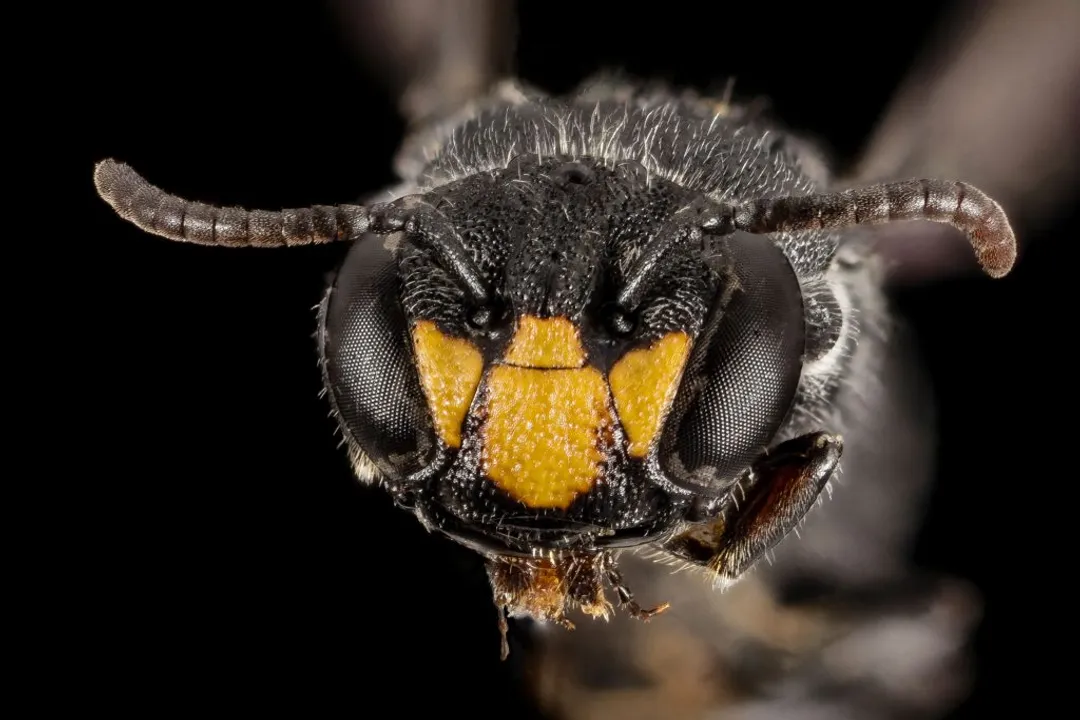
The small, often overlooked native bees of Hawaiʻi, known by their distinctive yellow facial markings, are subjects of intense conservation focus due to their endangered status and vital role in the island ecosystem. When encountering any bee, whether on a hiking trail through the dry forests of Lehua or near a restoration project in the wet uplands, the first question that often springs to mind for a casual observer is about safety: do these unique insects have a defense mechanism that can harm people? The answer, thankfully for hikers and conservation volunteers alike, is a resounding no. The Hawaiian yellow-faced bees, scientifically classified under the genus Hylaeus, do not possess stingers capable of stinging humans. [1][2] This characteristic places them in stark contrast to many of the highly visible introduced honeybees and wasps found across the islands.
# Absence of Stinger
The lack of a functional stinger is a defining feature of the entire Hylaeus genus, often referred to globally as masked bees due to the yellow or white markings on their faces. [2] These native Hawaiian bees, sometimes affectionately called Nalo Meli Maoli, are not aggressive creatures programmed to defend a colony with venom. [7] Unlike social bees that live in large hives and must protect their resources, yellow-faced bees are generally solitary in their nesting habits. [2] They do not build large wax combs or hoard significant amounts of honey, meaning they lack the evolutionary pressure or physical apparatus to deliver a defensive sting. [1] Their primary focus is the collection of pollen and nectar necessary for their individual survival and the rearing of their single-brood larvae. [2]
If you observe one busy flitting between the flowers of an ʻōhiʻa lehua or a native shrub, you can approach with confidence, provided you maintain a respectful distance. Experts confirm that even when handled gently, these bees will not sting. [1] This non-stinging nature is an important, though often unpublicized, characteristic that underscores their gentle presence in the fragile native environment. They represent a group of pollinators that interact with the flora without posing a threat to larger fauna, including humans. [2]
# Native Pollinators
The story of the Hawaiian yellow-faced bees is deeply intertwined with the native flora of the islands, a relationship spanning millions of years of evolution. [6] There are at least 63 described species of Hylaeus endemic to Hawaiʻi, making the islands one of the most diverse locations globally for this genus. [3] They are truly an ancient and irreplaceable part of the Hawaiian landscape. [6]
These bees are tiny, measuring only about 3 to 5 millimeters in length, which contributes to them being easily missed compared to larger insect visitors. [2][5] Their coloration is generally dark, often black or dark metallic, set off by those characteristic yellow or white markings on the face, which gives them their common name. [2][5] For instance, one species, Hylaeus mana, exhibits a dark body with yellow markings on the face. [8]
Their ecological service is immense. They are critical pollinators for a significant portion of Hawaiʻi’s native plants. [6] Many native Hawaiian plant species co-evolved with these specific pollinators, meaning other insects may not be as efficient—or capable—of transferring the pollen necessary for those plants to set seed and reproduce. [3][6] Without these bees, the natural regeneration of numerous endemic forest species would be severely compromised, potentially leading to local extinctions of the plants they service. [6] This pollination mutualism highlights their "expertise" in the native ecological setting. [7]
# Unique Life Cycles
The life cycle and nesting behavior of the yellow-faced bees further explain their non-aggressive nature. Unlike honeybees, these are not eusocial insects; they are largely solitary. [2] The female bee is responsible for finding a suitable nesting site, gathering provisions, laying eggs, and sealing the chamber, all without assistance from a queen or workers. [2]
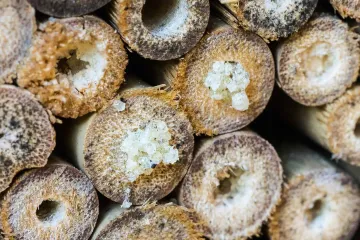
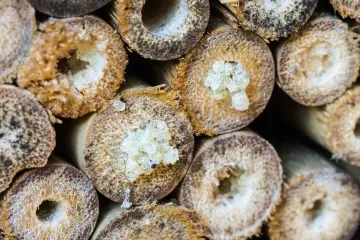
Nesting locations vary depending on the species, but they often utilize small cavities, such as hollow twigs, beetle burrows in dead wood, or sometimes even pre-existing holes in rocks or the ground. [2] Once a nest cavity is located, the female provisions it with a mixture of nectar and pollen, creating a small 'bee bread' ball for each egg she lays. [2] After laying an egg on this food source, she seals the cell before moving on to the next. The larvae develop and pupate within these sealed cells, eventually emerging as adults ready to continue the cycle. [2] This self-sufficient, solitary reproductive strategy eliminates the need for colony defense that drives the aggression seen in social bees. [1]
Considering the vast number of species—over 60—it's fascinating that scientists are still discovering and describing them. The sheer diversity within one genus (Hylaeus) on one island chain speaks volumes about the evolutionary pressures and specialization that occurred in this isolated environment. [3] For instance, while many are generally dark with yellow faces, the subtle variations in size, marking patterns, and nesting preferences differentiate one species from the next. [8]
# Conservation Crisis
Despite their indispensable role and benign nature, Hawaiian yellow-faced bees are in serious trouble. This crisis is one of the main reasons they receive so much attention from conservation biologists today. [6] Several species have already been declared extinct, and the remaining populations face an uphill battle for survival. [3] In 2016, the U.S. Fish and Wildlife Service took a significant step by listing seven species of Hawaiian yellow-faced bees as endangered under the Endangered Species Act. [3] This was a landmark decision, as it marked the first time any bee species in the United States had been afforded federal protection. [3]
The threats they face are numerous and often interconnected. The primary culprits include:
- Habitat Loss and Degradation: The conversion of native forests to agriculture or development destroys the specific nesting sites and the native host plants these bees rely upon. [6]
- Invasive Species: The introduction of non-native plants changes the floral landscape, potentially providing less suitable nectar or pollen sources. [6] More critically, invasive predators like ants, spiders, and introduced wasps prey on the bees, their eggs, or their larvae. [4]
- Pesticides: Although Hawaii's agriculture is diverse, the use of insecticides can have devastating, non-target effects on native insect populations, including these vital pollinators. [4]
The impact of losing these species extends far beyond the insects themselves. The ecological collapse that follows the removal of a keystone pollinator group can lead to widespread declines in native plant populations, altering the structure of entire forest ecosystems. [6] It is an intricate web where the health of one small insect directly influences the survival of large tracts of native habitat.
# Comparing Native and Introduced Bees
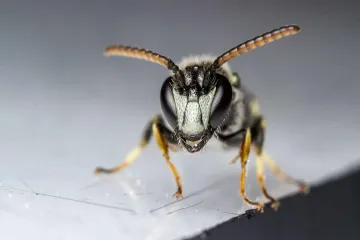
It is easy to confuse the small native yellow-faced bees with introduced, often more aggressive, species or even with common flies that mimic bees (Batesian mimicry). An observer might mistake one for a small, dark wasp or a common fly, which can lead to unnecessary alarm.
| Feature | Hawaiian Yellow-Faced Bee (Hylaeus spp.) | Introduced Honeybee (Apis mellifera) |
|---|---|---|
| Stinger | Absent (cannot sting) [1][2] | Present (can sting multiple times) |
| Sociality | Solitary or primitively social [2] | Highly social (form large colonies) |
| Nesting | Small cavities (twigs, holes) [2] | Large wax hives (natural or managed) |
| Conservation Status | Many species are federally listed as Endangered [3] | Abundant, managed species |
| Size | Very small (3–5 mm) [2][5] | Larger and stockier |
Understanding this difference is vital for effective conservation and safety. Someone might avoid a patch of endangered ʻakoko flowers, fearing an attack from a yellow-faced bee, when in reality, the bee is simply going about its business pollinating the rare plant. [7] The fear associated with stinging insects often prevents the public from appreciating or actively supporting the conservation of these gentle native species. [4]
# Supporting Survival
If the information about their non-stinging nature and endangered status sparks a desire to help, there are concrete actions that can align with conservation goals, even for those who don't own large tracts of land. Think about your own garden or lanai if you live on one of the main islands. Creating supportive habitats, even on a small scale, can make a difference for the few surviving local populations.
One practical approach involves creating native nesting habitat where possible. Since these bees nest in small, pre-existing cavities, leaving dead wood with small holes standing (if safe to do so) can provide necessary real estate. [2] Another action, perhaps more relevant for residents with yard space, involves planting native flora. Researching which native plants are the primary forage sources for local Hylaeus species—often those with open, easily accessible flowers—and incorporating them into landscaping can create small refueling stations for the bees. [6] For those involved in community restoration, ensuring that efforts focus on managing invasive pests that prey on the bees, such as ants, can provide immediate, localized protection. [4] Remember, supporting the plant provides the food, and providing shelter aids reproduction, both of which are critical steps in stabilizing populations. [3]
It is important to recognize that the success of conservation hinges on understanding that these bees are an integral, non-threatening component of the native biological legacy. Protecting them means protecting the entire native forest community that relies on their specialized pollination services. [7] This deep, long-term dependency is something we must respect; the flowers they pollinate may not survive long enough for a new pollinator to evolve to take their place, which is why protecting the existing expert, the Hylaeus bee, is so urgent. [6]
# Distinctive Markings
The facial pattern is the most reliable visual cue for identifying these insects, even though species identification requires closer inspection by an expert. [5] While general descriptions note yellow markings, the arrangement, size, and color hue can vary across the 63+ species. [3][8] For example, in some species, the markings might appear as bright yellow stripes or spots against a black face. [5] This visual feature serves a purpose in species recognition among the bees themselves, but for the casual observer, it’s the key identifier distinguishing them from other dark-colored solitary bees or flies. [2]
The very markings that give them their name are a testament to the biodiversity that has flourished and continues to struggle in the Hawaiian archipelago. While they lack the defensive tools of wasps, they possess the unique biological blueprints honed over millennia to interact perfectly with their island home. [7] Respecting their silent, non-stinging work is the first step toward ensuring these tiny, yellow-faced gardeners continue their vital role in Hawaiʻi’s delicate natural world. [1]
Related Questions
#Citations
Endangered Hawaiian Yellow-faced Bee Conservation > Learning ...
Hylaeus - The Amazing Yellow-faced Bees - BuzzAboutBees.net
Species Profile for Easy yellow-faced bee(Hylaeus facilis) - ECOS
Endemic yellow-faced bees in pre-settlement Hawai'i - Facebook
The Hawaiian yellow-faced bee (Hylaeus spp.) is a small solitary ...
Artificial Nests, Authentic Conservation: Protecting Hawaii's Yellow ...
Sandalwood Yellow-faced Bee (Hylaeus mana) - iNaturalist NZ