Why must pecan growers rotate insecticides according to Mode-of-Action Group Numbers?
To maintain long-term effectiveness and manage resistance development
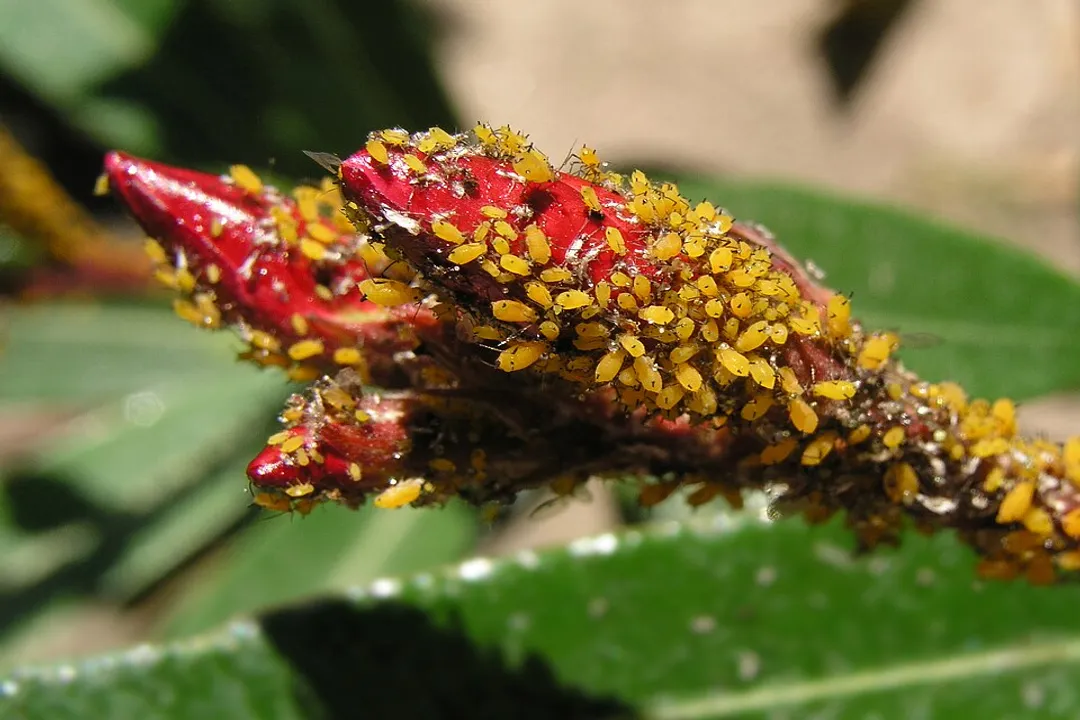
In commercial agricultural settings, particularly pecan production where insecticide applications may be necessary to meet specific economic thresholds related to nut quality and tree health, chemical management must be approached strategically to ensure sustainability. A critical component of this strategy involves rotating chemical treatments based on their Mode-of-Action Group Numbers. This rotation practice is essential because insects, including aphids, can rapidly develop resistance to insecticides that utilize the same biochemical mechanism of action if applied repeatedly. By switching between different modes of action, growers disrupt the selection pressure favoring resistant individuals, thereby preserving the long-term efficacy and utility of the available insecticide tools.