Yellow Aphids Scientific Classification
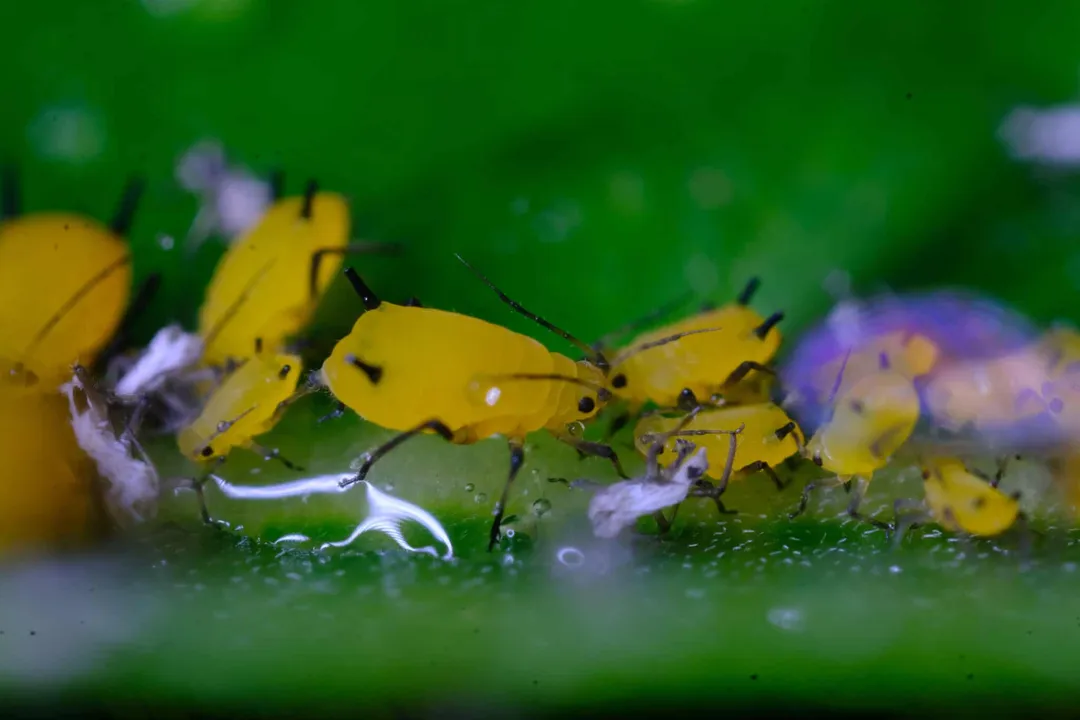
The term "Yellow Aphids" often brings to mind a specific insect pest recognizable by its bright hue, but scientifically, that common name points directly to one primary player in many regions: Aphis nerii, commonly known as the Oleander Aphid. [3][5][7] While other aphids might exhibit yellow coloration, A. nerii is the most prominent and frequently discussed species associated with this description, particularly in areas where its preferred host plants thrive. [2][7] Understanding its classification is the first step in appreciating its biology, ecology, and management, rooting the common pest in the formal structure of life sciences. [1]
# Formal Ranks
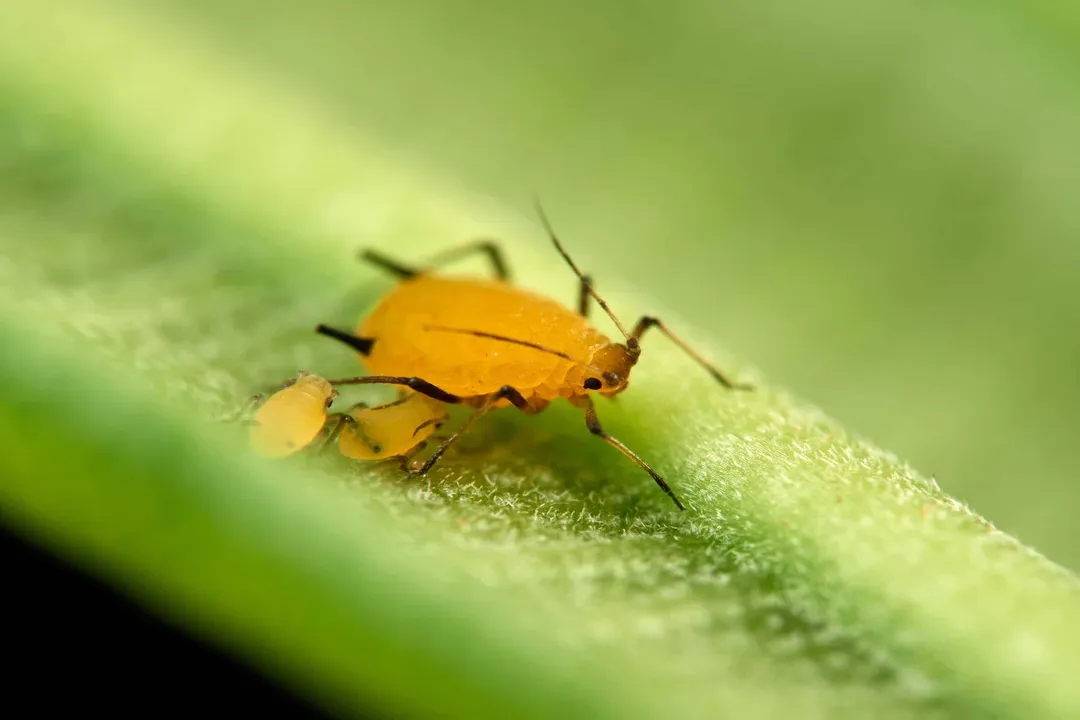
The scientific classification places Aphis nerii within a very specific bracket of the animal kingdom. As an aphid, it belongs to the order Hemiptera, the true bugs, which are characterized by piercing-sucking mouthparts. [1] This group is incredibly diverse, but placing the yellow aphid into its formal taxonomic hierarchy provides clarity on its evolutionary relationships. [4]
The established classification for Aphis nerii proceeds through several nested levels, moving from the broadest grouping to the most specific identification: [1]
| Rank | Classification |
|---|---|
| Kingdom | Animalia |
| Phylum | Arthropoda |
| Class | Insecta |
| Order | Hemiptera |
| Superfamily | Aphidoidea |
| Family | Aphididae |
| Genus | Aphis |
| Species | A. nerii |
This systematic organization is consistent across scientific documentation, confirming that this insect is firmly established within the family Aphididae, a grouping that contains many other familiar pests. [1][8] The genus Aphis itself is large, encompassing many other species, but the combination of the genus Aphis with the specific epithet nerii—a nod to its primary host—distinguishes it. [1][3]
# Species Details
The specific identity, Aphis nerii, tells a more descriptive story than the simple color description. Adult females are typically lemon-yellow or yellowish-green and can reach about 2 to 2.5 millimeters in length. [3][8] A key distinguishing feature visible upon close inspection, which separates it from some look-alikes, is the presence of dark or black siphunculi, which are the tubes on the rear abdomen used to excrete honeydew. [8] This contrast between the bright yellow body and the darker appendages is a critical field mark for identification. [8]
Winged forms, known as alates, also exist, usually appearing later in the season or when colonies become overcrowded. [3] These winged females possess transparent wings with darkened veins. [3]
The insects can be found clustered densely on the stems and undersides of leaves. [3][5] In some observations, they cluster primarily on the upper, tender parts of the plants. [2] Interestingly, while their appearance is consistent, slight color variations can occur depending on the host plant or perhaps local environmental factors, though the A. nerii identity remains stable. [9]
# Host Range
The common name Oleander Aphid is highly suggestive of its preferred food source, Nerium oleander, which is a primary, and possibly obligate, host for this species. [1][3][5] This relationship is so strong that the species name nerii is derived from Nerium. [1] In environments where oleander is cultivated, these aphids can cause significant aesthetic damage due to their feeding habits and the resulting sooty mold growing on the honeydew they excrete. [2][5]
However, like many prolific insects, A. nerii is not strictly limited to one plant. Sources indicate that while oleander is paramount, these aphids can also colonize other plants, including those in the milkweed family (Asclepiadaceae). [1][3] When surveying local garden infestations, it is often worthwhile to check nearby milkweed patches, especially if oleander is absent but yellow aphids are present. [1]
A comparison of host specificity versus generalist behavior is helpful for management: aphids in the Aphis genus often show narrow host preferences, but the spectrum for A. nerii seems anchored by N. oleander. [1] If a garden has a high density of these bright yellow pests, assessing the health and proximity of any oleander or milkweed is the most direct way to trace the infestation source, unlike more generalist pests that might jump between widely unrelated plant families easily. [2][3]
# Reproduction Dynamics
Aphids, including A. nerii, are famous for their reproductive strategies, often employing parthenogenesis, where females produce offspring without mating. [6] During the growing season, they reproduce very quickly, leading to explosive population growth when conditions are favorable—warm temperatures and abundant, tender plant tissue. [5][6]
Aphis nerii typically reproduces viviparously, meaning the young are born live, already developed as nymphs, rather than hatching from eggs. [6] This live-birth strategy allows a single founder to rapidly establish a large colony. [5] The life cycle involves the nymphs developing through several molts to reach maturity, all while remaining clustered and feeding on the plant sap. [6]
While the summer months are dominated by these asexual, live-bearing females, as environmental stress increases or day length shortens toward the end of the growing season, the population structure often shifts to include sexual forms that produce overwintering eggs. [1][6] This shift back to sexual reproduction and egg-laying allows the species to survive colder periods when host plants may be less vigorous or dormant. [1]
# Biological Context
The yellow aphid's presence is not without checks and balances in a balanced ecosystem. Natural enemies frequently target these clusters of soft-bodied insects. [5] Lady beetles (ladybugs), lacewings, and parasitic wasps are all recorded predators and parasitoids of A. nerii. [5] For instance, the larvae of certain syrphid flies (hoverflies) consume large numbers of aphids. [5]
Interestingly, despite their pest status on ornamental plants like oleander, these aphids can sometimes serve a beneficial purpose in educational or research settings. Because they are highly visible, abundant, and relatively easy to find, they provide an excellent, ready-made subject for studying predator-prey interactions in the field or classroom. [5] They represent a readily available food source that supports populations of beneficial insects, even as they cause damage to their specific hosts. [5]
When considering an integrated pest management approach, recognizing the classification is helpful because the Aphis genus is often targeted by specific parasitoids, such as wasps in the family Braconidae. [1] A gardener noticing darkened, swollen, or mummified aphids among the living yellow ones should recognize this as evidence of successful biological control at work. [1] Monitoring for these mummies confirms that the natural predators are active, potentially reducing the immediate need for chemical intervention, especially when the primary damage is only aesthetic, as is common on mature oleanders. [2][5]
Related Questions
#Citations
Aphis nerii - Wikipedia
Oleander Aphid, Aphis nerii Boyer de Fonscolombe ... - UF/IFAS EDIS
Oleander Aphid - Field Guide to Common Texas Insects
Oleander aphid - Aphis nerii - Interesting Insects
Oleander Aphid (Family Aphididae) – Field Station - UW-Milwaukee
Aphids, Host Preference, and Plant Taxonomy - | BYGL
Yellow Aphids Insect Facts - Aphis nerii - A-Z Animals
Species Aphis nerii - Oleander Aphid - BugGuide.Net
Aphis nerii (Oleander aphid) identification, images, ecology, control