Yellow Cobra Facts
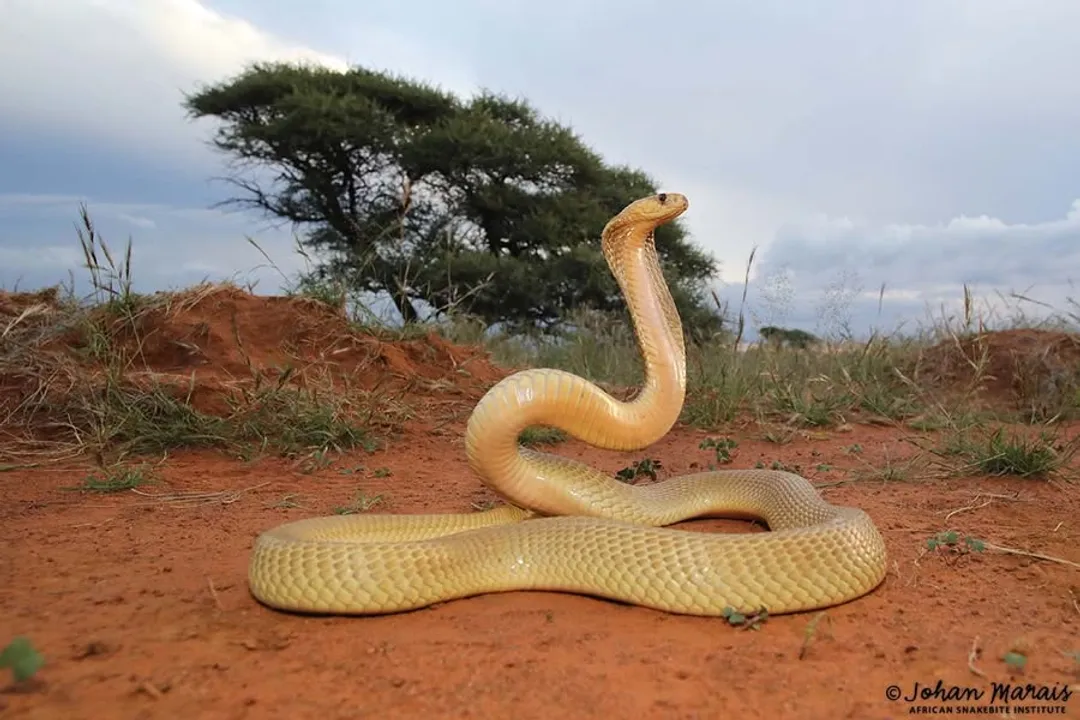
The snake known widely as the Yellow Cobra, scientifically classified as Naja nivea, is famous for its striking coloration and potent venom, yet its common name only captures a fraction of its visual reality. [1][5] This species is more frequently referred to as the Cape Cobra, and while vibrant yellow individuals are certainly present, their appearance is incredibly variable, presenting a complex case study in reptilian camouflage and warning signals. [7][9] These cobras inhabit dry regions of southern Africa, including the Cape Province and the Karoo, making them a significant reptile in those ecosystems. [7] Understanding this creature requires looking past the single-color moniker to appreciate its diversity and the serious respect its presence commands. [1]
# Coloration Diversity
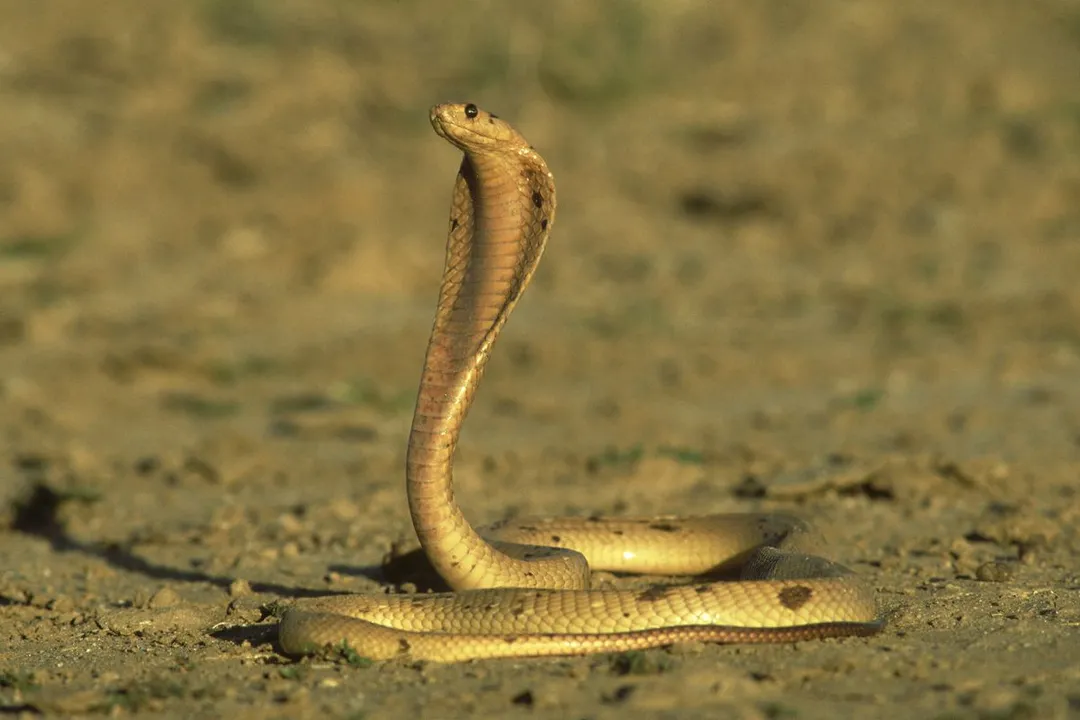
The term "Yellow Cobra" often leads people to expect a uniformly bright snake, but this species is actually renowned for having one of the most variable color patterns among African cobras. [7] While yellow is common, especially in the Cape Province, individuals can also appear in shades of brown, tan, reddish-brown, or even jet black. [9] Some snakes may even display banding, though this is less common than the uniform patterns. [5] In some areas, the population might be dominated by one color phase, leading to the regional naming, but across its range, one must be prepared for a spectrum of hues. [1] For instance, snakes found in the arid Karoo region tend to be lighter in color, perhaps offering better blending with the sandy terrain, whereas darker individuals might be found where scrub cover is denser. [7] It's interesting to note that while many people associate "cobra" with a specific pattern, the Naja nivea showcases that warning coloration does not always equate to monochromatic brilliance; effective signaling can be achieved through overall brightness or darkness depending on the background. [1][7]
# Size and Shape
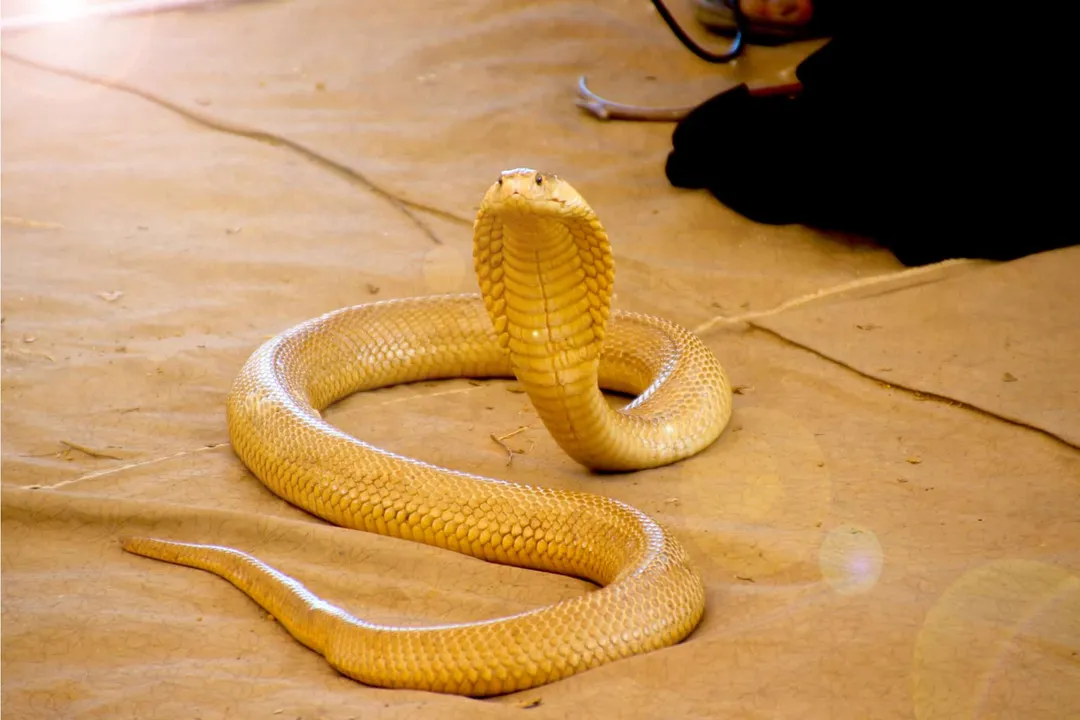
Cape Cobras are medium-sized snakes, though they can certainly grow to impressive lengths for a cobra species found in arid regions. [9] Adult specimens commonly reach lengths of about 4 to 5 feet (1.2 to 1.5 meters). [1][2] While rare, some exceptionally large individuals have been recorded approaching 6 feet in length. [9] Like other cobras, the Cape Cobra possesses the characteristic ability to flatten the ribs in its neck region to form a dramatic hood when it feels threatened. [4] This hood display is a classic defensive posture, making the snake appear much larger than it truly is to a potential predator or intruder. [9] When not threatened, they move with relative speed, often holding their head and the front third of their body slightly raised off the ground, which aids in surveying their surroundings. [2][4]
# Potent Venom
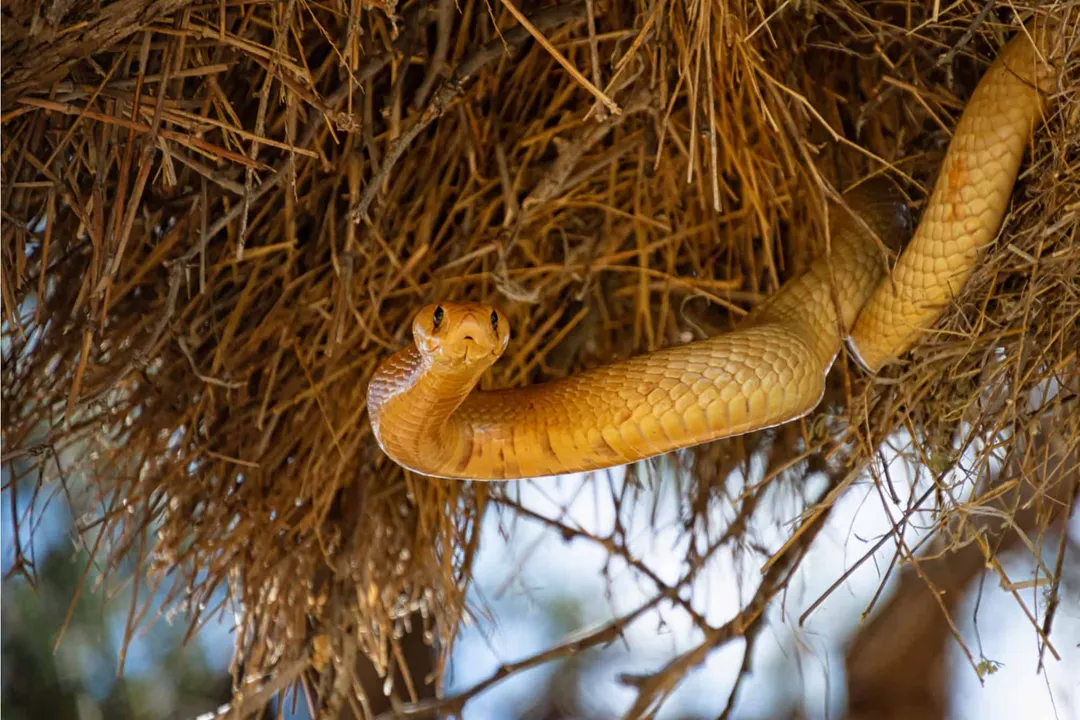
The venom of the Yellow Cobra is among the most dangerous in Africa, placing it high on any list of medically significant snakes. [7] The toxicity is not primarily due to a single component but rather a complex cocktail of neurotoxins and cardiotoxins. [3][9] Neurotoxins attack the nervous system, causing symptoms like blurred vision, drooping eyelids, difficulty speaking, and eventually respiratory paralysis, which can lead to death if untreated. [1][9] Cardiotoxins directly affect the heart muscle. [3] The venom yield in a single bite can be substantial, and because the snake is known to inhabit areas near human settlements, the risk factor is significant. [7] It is important to recognize that toxicity levels can vary slightly between individual snakes, potentially influenced by age, diet, and geographical location, although all possess venom capable of being fatal to humans. [3] Unlike some cobras that possess spitting capabilities, the Cape Cobra is not typically recorded as a spitter; its primary defense method using venom involves direct biting. [5]
# Habitat and Sustenance
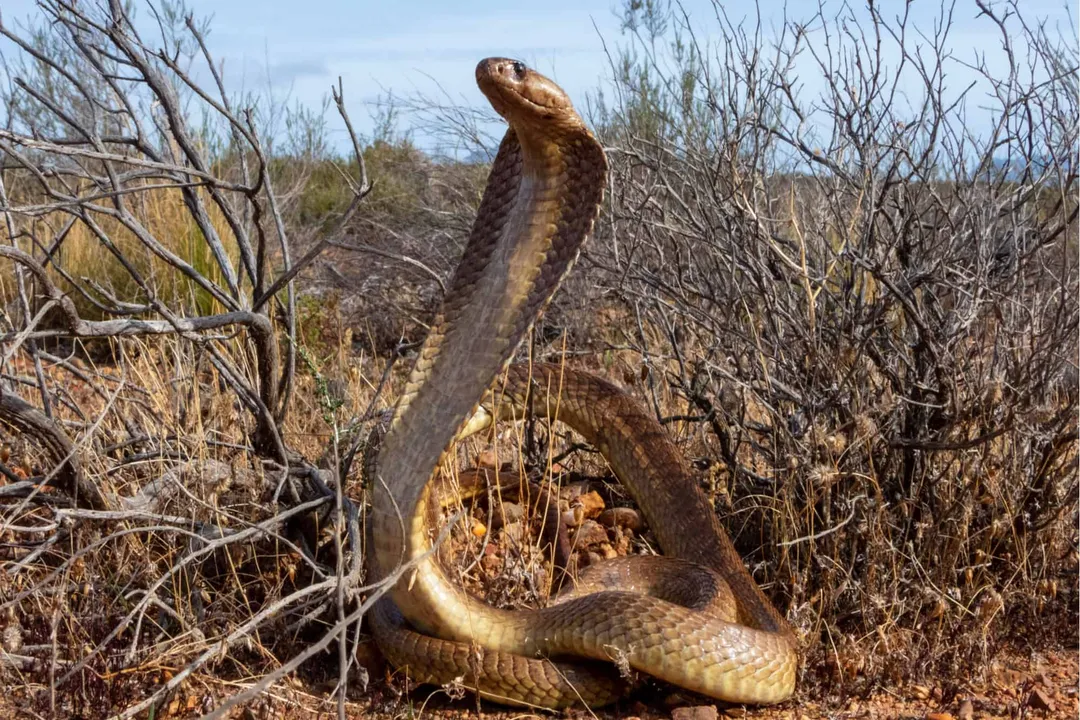
The preferred environment for the Yellow Cobra is generally dry, open terrain. [7] They thrive in grasslands, savannahs, arid shrubland, and even semi-deserts. [9] They are quite adaptable and can be found in many areas of South Africa, Namibia, Botswana, and parts of Zimbabwe. [7] A key element of their habitat selection is the presence of suitable shelter; they are often found near human habitation, particularly in farm buildings, woodpiles, or beneath discarded materials, which offer good cover and attract their prey. [1][7]
Their diet is varied and opportunistic, showcasing their adaptability as predators. [9] The Cape Cobra primarily preys on small mammals, such as rodents, which are easily found near human dwellings. [2][7] However, they are also known to consume lizards, other snakes (making them potentially cannibalistic depending on the species), and even birds or amphibians when the opportunity arises. [9][1] This varied menu explains why they persist successfully in environments that might seem too harsh for other snake species. [2]
# Defensive Postures
When encountering a threat, the Yellow Cobra does not immediately strike; it relies on a series of escalating warnings to deter the perceived danger. [9] The initial and most famous display is raising the anterior portion of the body off the ground and spreading the neck ribs to form the iconic hood. [4][9] In this raised posture, the snake is generally ready to strike repeatedly if the threat persists. [1] Researchers often note that if the snake is harassed or cornered, it can hold this intimidating pose for a considerable amount of time, appearing highly alert and agitated. [9] This defensive display, coupled with the visual warning of its color, often serves as an effective deterrent against many animals. When observing these snakes, particularly in the wild or semi-wild areas like a farmstead in the Western Cape, it becomes clear that their primary goal is escape, and the hood is a statement intended to prevent a physical confrontation, not initiate one. [7]
# Encounter Management
Given that the Cape Cobra is both medically dangerous and often found near where people live or work, understanding how to behave around them is critical for safety in their range. [7] If one encounters this snake, the absolute best practice is to stop moving and slowly back away, giving the snake a clear path to retreat. [1] Never attempt to handle, corner, or harass a snake that is displaying its hood, as this is when the risk of a defensive bite is highest. [9] In areas where these snakes are common, such as rural parts of the Western Cape, simple property management can reduce interactions; keeping gardens tidy, woodpiles neatly stacked off the ground, and eliminating rodent populations can make a habitat less attractive to the cobra. [7] A local herpetological group post highlighted that many bites occur when individuals try to move or kill a snake they have accidentally disturbed inside a shed or while gardening, underscoring the importance of positive identification and non-confrontational removal when possible. [6] If the snake is found inside a dwelling, contacting local wildlife rescue or professional snake catchers is the safest course of action rather than trying to deal with it oneself. [1]
# Venom Comparison Analysis
It is useful to place the Cape Cobra’s venom in context with other major African elapids. While many people immediately think of the Black Mamba (Dendroaspis polylepis) as the most feared snake, the Cape Cobra’s venom can actually be more toxic by mouse weight, or value, which measures raw lethality in a laboratory setting. [3][9] However, the Black Mamba generally delivers a larger volume of venom per bite and is known for its aggression when cornered, often leading to more severe clinical outcomes in practice. [9] Therefore, while the Naja nivea's venom is exceptionally potent, its typically shy nature means it relies on its camouflage and warning displays first, unlike the more overtly defensive Mamba. This difference in temperament, coupled with the highly variable appearance of the Yellow Cobra, means that a single, immediate assessment of danger based on color alone is frequently unreliable in the field. [7]
# Behavioral Adaptations in Arid Zones
One fascinating area of study regarding the Yellow Cobra is how its behavior shifts depending on the ambient temperature, which is a crucial factor in desert-edge environments. [5] Since these snakes are ectotherms, their activity level is dictated by warmth. In the scorching heat of the Karoo summer, they may become primarily nocturnal or crepuscular (active at dawn and dusk) to avoid lethal daytime temperatures, shifting their foraging times to coincide with the cooler hours when their rodent prey might also be active. [7] Conversely, during cooler seasons, they might be observed basking openly during the morning to rapidly elevate their body temperature for hunting efficiency. [9] This behavioral flexibility, allowing them to maximize hunting success across varying thermal regimes while blending into the landscape via color polymorphism, is a major reason Naja nivea remains so successful across its wide distribution, demonstrating an impressive degree of environmental responsiveness that goes beyond simple habitat preference. [1][7]
# Scientific Naming and Status
The scientific name Naja nivea translates roughly, with nivea meaning "snowy" or "white," which seems contradictory given the snake’s common association with bright yellow or black coloration. [3] This naming likely refers to some of the paler individuals found in certain localities, or perhaps an older classification based on limited samples. [7] Despite its high venom toxicity, the Cape Cobra is currently listed as Least Concern on the IUCN Red List, indicating that, across its entire range, the population is stable and widespread enough not to qualify for a threatened category. [3] This conservation status contrasts sharply with the immediate threat it poses to humans living in close proximity to its territory, creating a disparity between ecological stability and local human safety concerns. [7]
# Visualizing the Encounter: A Scenario
Imagine walking near a dry riverbed in the Namaqualand area of South Africa. The ground is a mix of pale sand and scattered, low-lying grey-green scrub. You spot a relatively short, thick snake moving purposefully across the sand. Because the local population favors lighter shades, this individual is a creamy tan color, making it almost invisible against the background—a perfect example of why relying only on the "Yellow Cobra" name is dangerous. As you approach closer to investigate its path, the snake suddenly stops, rears up maybe a third of its body length, and spreads a relatively narrow but distinct hood. It remains perfectly still for several seconds, seemingly evaluating whether you are a threat worth wasting precious venom on. It does not rattle or make much noise; the visual display is its primary communication. Recognizing the danger, you freeze, waiting for it to drop back down and slide into the shadows of the scrub, which it eventually does, melting back into the environment it so expertly mimics. [1][9] This moment illustrates the snake’s defensive strategy: high potency venom backed by an initial, non-committal visual warning.
#Videos
Cape Cobra (Naja nivea) | Herping South Africa - Montagu - YouTube
Related Questions
#Citations
Yellow Cobra Animal Facts - Naja nivea
Cape cobra - Students | Britannica Kids | Homework Help
Cape Cobra - Facts, Diet, Habitat & Pictures on Animalia.bio
Cape cobra Facts for Kids
Yellow Cobra Facts & Photos | Wowzerful
Cape Cobra Characteristics and Habitat in Southern Africa - Facebook
Cape cobra - SANBI
Cape Cobra (Naja nivea) | Herping South Africa - Montagu - YouTube
Cape Cobra: Stunning, Lethal Predator, Deadly as Black Mamba