What are some fun facts about yellow perch?
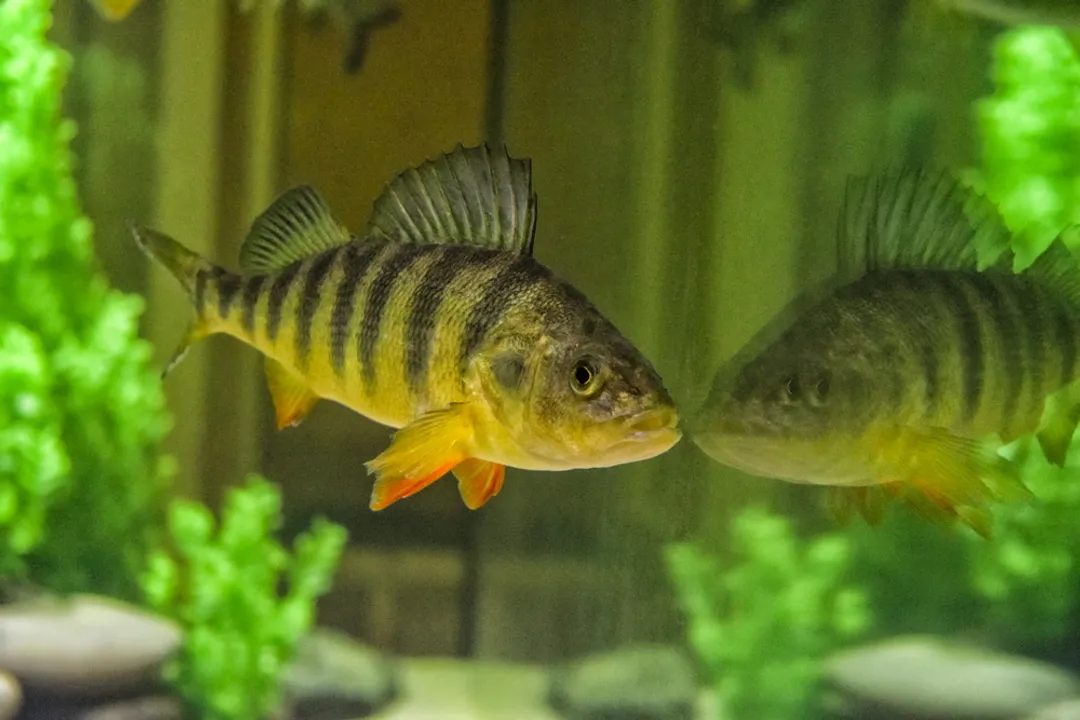
The yellow perch, officially known as Perca flavescens, is one of the most recognized and widely distributed freshwater fish across North America. [3][7] You’ll often hear them called simply “perch,” and their popularity among anglers, particularly those seeking a reliable catch that is also superb on the dinner plate, is unmatched in many regions. [1][6] Before diving into the specific quirks that make this species so fascinating, it’s worth noting that while they are incredibly common, their adaptability is what allows them to thrive from the cold, clear streams of the north to the sprawling systems of the Great Lakes. [2][3]
# Coloration Stripes
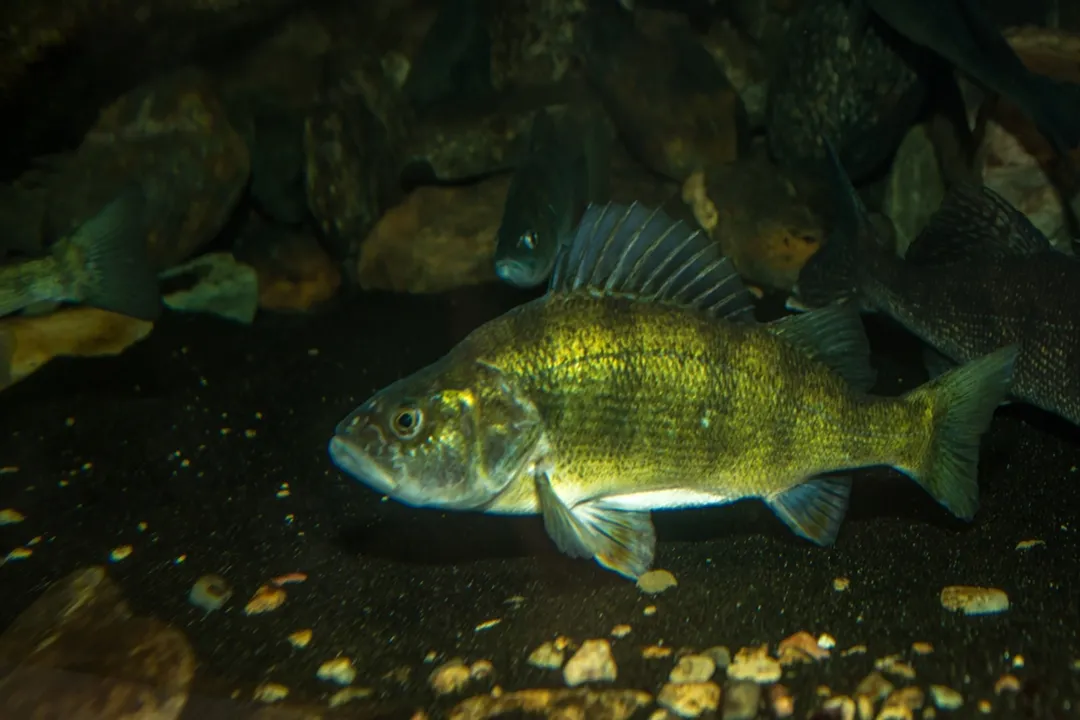
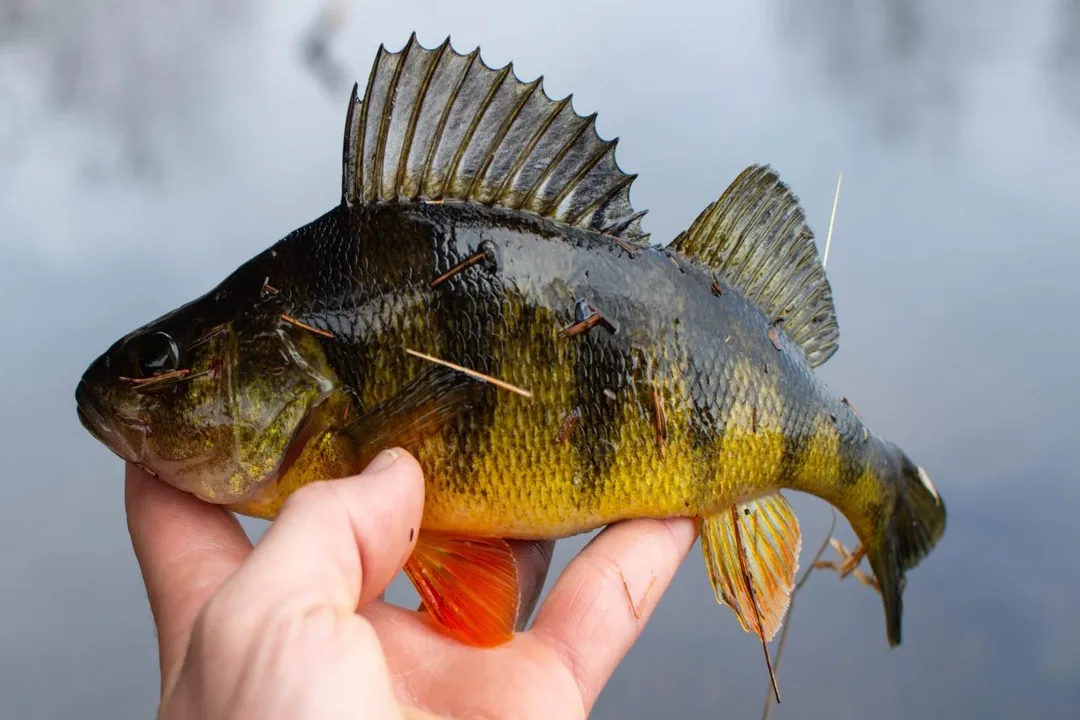
The name gives away the most obvious characteristic, but the exact shade of yellow can be highly variable depending on where the fish spends its life. [2] Generally, a yellow perch sports a back that fades from a dark olive or yellowish-green down to lighter sides and a white belly. [2][9] This countershading provides excellent camouflage in various water conditions. What truly sets them apart, however, are the distinctive dark markings running vertically along their sides. [4] These markings look like prominent bars—usually five to nine of them—and they can sometimes appear broken or fragmented, which can sometimes lead to confusion with other similar species, though the overall bright yellow hue usually clarifies the identification. [2][9] Even their fins contribute to the look; the dorsal fins, both spiny and soft-rayed, often display dark horizontal lines, adding a striped pattern to their profile. [2] A final detail often missed is the eye, which is typically described as silvery or yellow, perfectly complementing their overall body color. [2]
# Habitat Range
The geographic reach of the yellow perch is extensive, spanning a significant portion of the continent. [3] They are native to many parts of Canada and the northern and eastern United States. [3] While they can be found in rivers and streams, they are most strongly associated with lakes and ponds, especially those offering relatively cool, clear water conditions. [2][4] Their presence is famously felt throughout the Great Lakes basin. [3] Biologically, they are considered cool-water fish, meaning they prefer temperatures within a certain range, though they can tolerate a wider spectrum than some of their more sensitive relatives. [2]
An interesting observation when comparing populations across this vast range is the disparity in maximum size versus genetic uniformity. Despite thriving everywhere from small, isolated Canadian shield lakes to the massive, open waters of Lake Erie, the species itself remains Perca flavescens. [3][7] This suggests that while the underlying genetics are consistent, environmental factors such as food availability, population density, and water temperature exert a much stronger influence on individual growth rates than many people realize when they look at a small perch from a local pond versus a trophy specimen from a deep, productive lake. [1][8]
# Diet Habits
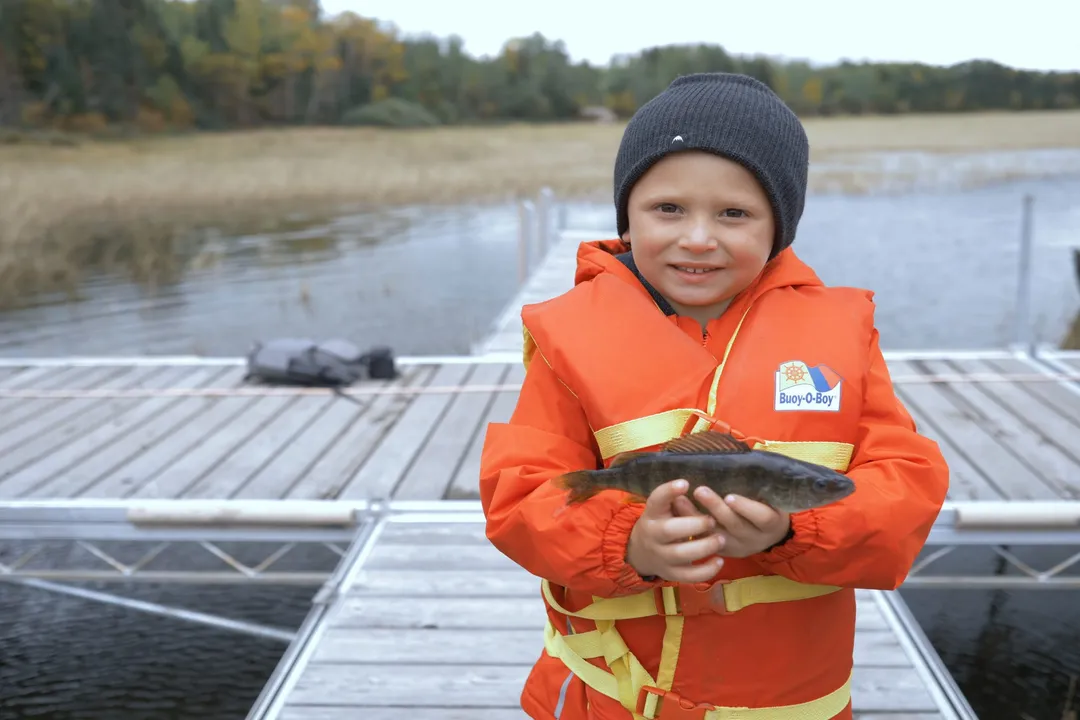
Yellow perch are known for being somewhat opportunistic omnivores. [4] Their diet shifts considerably as they mature. [7] Young perch, or fry, will often feed primarily on zooplankton, microscopic organisms floating in the water column. [4] As they grow larger, their palate expands to include more substantial prey. This typically involves aquatic insects, various small crustaceans, and increasingly, small fish. [4][7] It is a known—though perhaps grim—fact that as they get bigger, they won't hesitate to consume smaller, younger yellow perch, meaning cannibalism can occur within dense populations. [4] This feeding flexibility is part of why they adapt so well to different bodies of water; if one food source dwindles, they are well-equipped to switch their focus to another available aquatic item. [7]
# Social Structure
One of the most reliable behavioral traits of the yellow perch is their tendency to school. [4] These schools can range from small aggregations to massive congregations, particularly during specific times of the year. This schooling behavior is often more pronounced in the cooler seasons or when they are actively feeding or migrating to spawning grounds. [4] For the angler, understanding this tendency is key to success. It’s rarely a situation where catching one perch means you’ve found the only one nearby. Instead, if you hook into a solid yellow perch, the best immediate action is often to cast again in the exact same location, perhaps slightly shallower or deeper, rather than moving far away. [1] They tend to hold tight to specific structures or depth contours alongside their schoolmates, making them predictable targets once that school is located. [4]
# Size Lifespan
When people talk about the typical size of a yellow perch they catch, they usually refer to the smaller, commonly harvested fish, often ranging between six and ten inches long. [1] However, this is far from their maximum potential. Under ideal conditions, particularly in large, fertile water bodies, yellow perch can grow considerably larger. [8] Some exceptional specimens have been documented exceeding nineteen inches in length, though these are certainly the exception rather than the rule. [8] Correspondingly, their lifespan is tied closely to their environment and food supply. While many might only live for a few years, in prime habitats, a yellow perch has the potential to live for over a decade. [4] A particularly successful year class that avoids high predation and enjoys abundant food resources can sustain a healthy population for many years, allowing individuals to reach respectable sizes and ages. [1][4]
# Reproduction Details
The reproductive cycle for yellow perch kicks off relatively early in the spring, generally coinciding with water temperatures climbing into the 50 to 60 degree Fahrenheit range. [4] Unlike fish that lay eggs individually or scatter them widely, the yellow perch female deposits her eggs in a large, gelatinous mass. [2] A single female can produce an astounding number of eggs, sometimes releasing between 10,000 and 40,000 eggs at one time. [2] These sticky masses are typically laid over submerged vegetation, logs, or other debris on the bottom of the lake or stream. [2] This method of mass deposition means that while the sheer quantity of eggs is high, the survival rate of any single egg or resulting fry is still low, which necessitates the large clutch sizes. [4]
# Culinary Status
Beyond the biological facts, the yellow perch holds a special place in the culinary world, often being cited as one of the best-tasting freshwater fish available. [1][6] They are prized for their delicate, mild, white flesh that flakes nicely after cooking. [6] This excellent flavor profile has made them a highly sought-after catch for generations. [1] Because they are generally lean fish, they take well to various preparation methods, though simple frying or baking tends to showcase their natural taste best. [6] This high regard for their taste is a major driver behind their popularity as a game fish, often competing with trout or crappie for the title of "best eating fish" in local fishing circles. [1]
# Hardiness Variation
While we established they prefer cool, clear water, the yellow perch’s ability to survive in varying conditions is quite remarkable when you compare them side-by-side with species like trout, which are extremely sensitive to temperature fluctuations. [2][4] Perch can handle turbid or somewhat polluted waters better than many other popular game fish, provided the oxygen levels remain adequate. [2] This hardiness explains why they can be found in man-made reservoirs or agricultural runoff areas where more delicate species might struggle to reproduce or even survive the summer months. [3] Their success isn't just about their feeding habits; it’s about their physical tolerance for environmental swings, making them a resilient backbone of many aquatic ecosystems. [4] If you are fishing a body of water that seems marginal for other species, looking for the yellow perch population is often a good bet, as they have a wider operational window for comfort. [2]
#Videos
5 Things You Need To Know About Yellow Perch - YouTube
Related Questions
#Citations
10 Yellow Perch Facts - Superior Country
Yellow Perch | Squam Lakes Natural Science Center
Yellow Perch (Perca flavescens) | U.S. Fish & Wildlife Service
[PDF] Yellow Perch - Wisconsin DNR
5 Things You Need To Know About Yellow Perch - YouTube
Yellow Perch Facts For Kids | AstroSafe Search - DIY.ORG
Perca flavescens - Yellow perch - Animal Diversity Web
Maryland Fish Facts: Yellow Perch
Yellow perch Facts for Kids