Why might a Woodlouse Spider be observed inside a building during dry outdoor conditions?
Answer
Following its primary food source indoors to find reliable humidity.
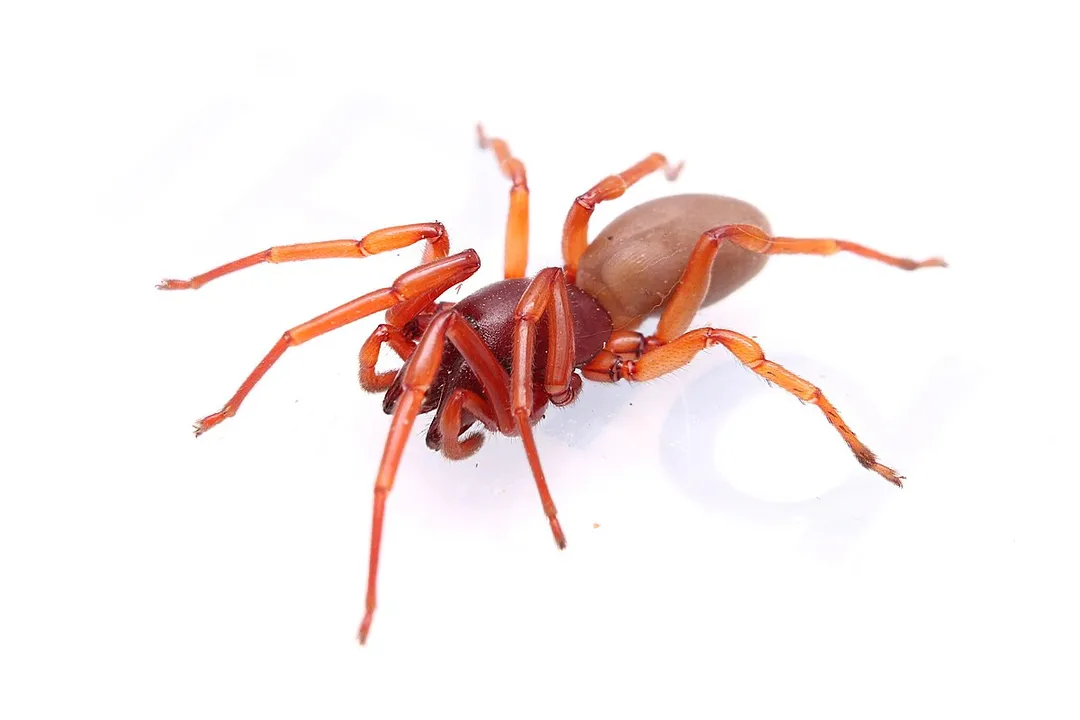
The movement of the Woodlouse Spider indoors is strongly linked to the survival requirements of the woodlouse. Since woodlice require consistent humidity and protection from desiccation, they often migrate into sheltered, damp areas inside human structures, such as basements, garages, or sheds, especially during dry periods outdoors. The *Dysdera crocata* follows this primary food source indoors, meaning the presence of the spider inside is often an indicator of an underlying woodlouse congregation seeking reliable moisture.
Related Questions
What is the primary, dominant prey item forming the diet of Dysdera crocata?What is the scientific name for the Woodlouse Spider mentioned in the text?To what taxonomic order do the preferred prey, woodlice, belong?What color is frequently described for the cephalothorax of the Woodlouse Spider?How is the immediate effect of a D. crocata bite typically compared in terms of human impact?Does the Woodlouse Spider rely on traditional large capture webs for capturing prey?What environmental requirement for woodlice dictates the typical habitat choice of Dysdera crocata?What is the primary function of the prominent, reddish-orange chelicerae of D. crocata?Which category of creature is consumed only opportunistically by Dysdera crocata?Why might a Woodlouse Spider be observed inside a building during dry outdoor conditions?