Wolf Spider Diet
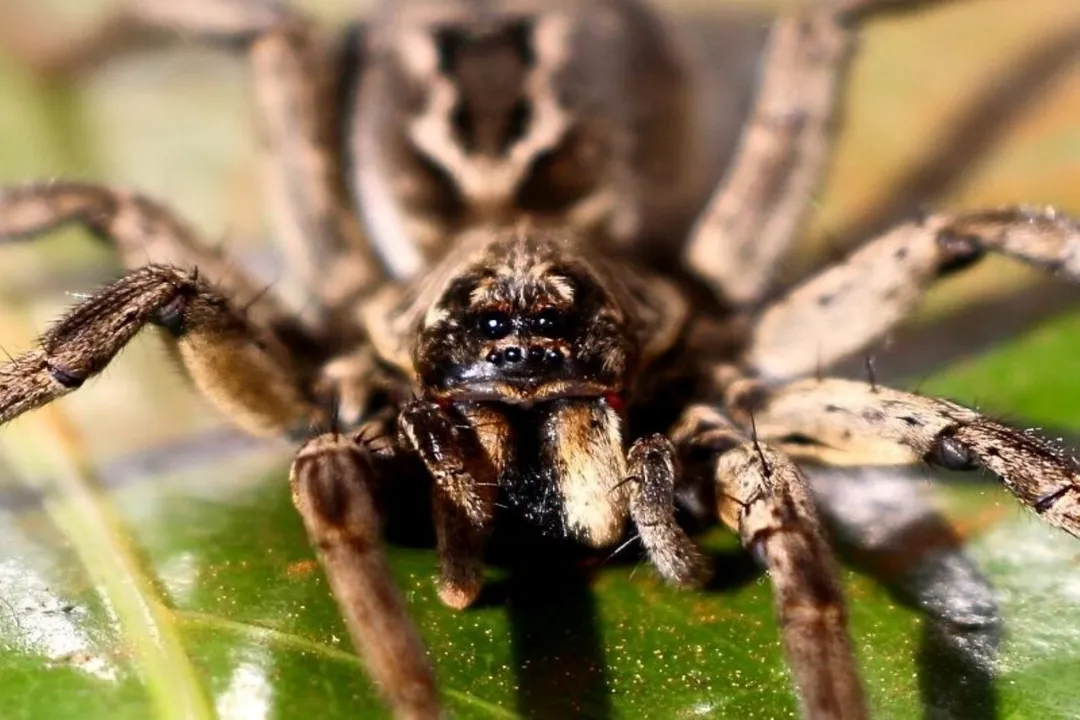
Wolf spiders occupy a vital niche in nearly every terrestrial ecosystem they inhabit, acting as significant regulators of local invertebrate populations. [5][7] Their diet is remarkably broad, placing them in the category of generalist predators. [7] Essentially, if an arthropod is slow enough, small enough, or encountered in the wrong place at the wrong time, it has the potential to become a meal for a wolf spider. [1][2]
# Prey Range

The foundation of the wolf spider's diet consists overwhelmingly of insects and other smaller arthropods. [1][2][5][7][9] This carnivorous habit means they consume a wide variety of common garden and household pests, making them quite beneficial to human environments where they are present. [1][2]
Specific examples frequently cited include:
- Cockroaches: A common target for many ground-dwelling spiders. [1][7][9]
- Crickets and Grasshoppers: Often found in the grassy or leaf-litter environments preferred by wolf spiders. [1][7][9]
- Flies and Moths: Any species that lands within their striking range becomes potential sustenance. [1][7][9]
- Beetles and Earwigs: These ground-crawling insects are regular dietary components. [1][7][9]
The exact composition of any individual spider's menu depends heavily on where it lives and what time of year it is. [6] For instance, a wolf spider dwelling in a damp, grassy area will naturally encounter a higher frequency of surface-dwelling beetles and crickets compared to one found near a drier, more arid patch of ground. It is helpful for a home or garden manager to note that their dietary preferences align closely with many creatures considered pests, suggesting a natural form of biological control. [1][2]
# Size Matters
A crucial constraint on the wolf spider’s feeding habits is the size of its meal relative to itself. [5] Generally, a wolf spider will prey upon insects that are about the same size as the spider or smaller. [5] This size limitation is logical, as subduing and manipulating prey larger than oneself becomes energetically inefficient and physically dangerous. [5]
However, this rule has flexibility, especially for the larger species of wolf spiders. These more substantial hunters are capable of tackling prey items that might seem surprising for an arachnid. [2][5] The diet can occasionally expand to include very small vertebrates, such as tiny lizards, frogs, or even small rodents like mice, should the opportunity present itself. [2][5][7][9] When these larger prey items are taken, the spider relies on its potent venom to quickly immobilize the victim before beginning consumption. [5]
Even at the smallest end of the spectrum, this size rule applies. A very small, newly emerged wolf spiderling, perhaps barely visible, will focus on microscopic fare like springtails or other minute soil-dwelling arthropods. [4] This demonstrates a consistent predatory strategy across all life stages, simply adjusting the scale of the target. [4][5]
# Hunting Strategy
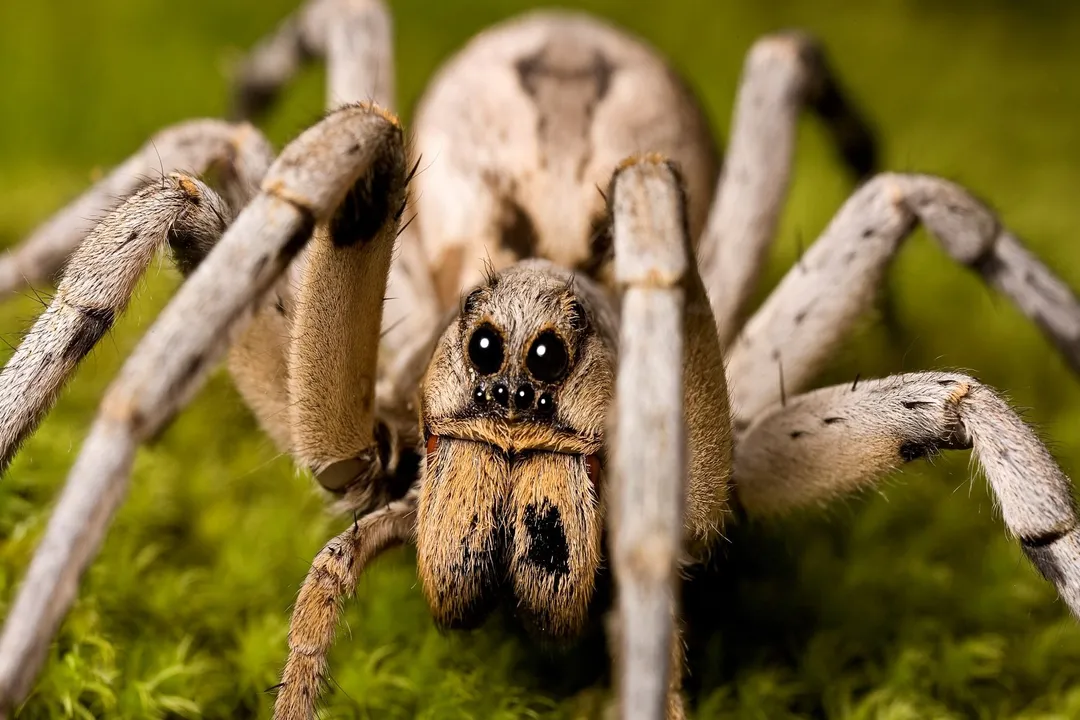
The wolf spider's diet is entirely determined by its active hunting style, which distinguishes it from web-building spiders. [1][5] Unlike orb-weavers that construct elaborate silken traps and wait for prey to become entangled, wolf spiders are stalk and pounce predators. [5] They do not rely on sticky threads to capture their food. [1][5]
They typically roam the ground, often through leaf litter, grass, or soil, actively searching for movement. [1][6] Their excellent eyesight, combined with sensitive vibration detection through their legs, allows them to locate prey nearby. [5] Once a suitable target is identified, the wolf spider will stealthily approach and then rapidly rush the prey, subduing it with a swift bite. [5]
This behavior means their diet reflects what is moving on the ground where they hunt, rather than what is flying randomly through the air, though they will certainly take advantage of grounded insects. [1][5] The speed and surprise of the attack are their primary tools for securing a meal. [5]
# Venom and Consumption
Once the prey is captured, the wolf spider delivers its venom, which serves to paralyze the victim and begin the digestive process. [5] Wolf spiders, like many spiders, practice external digestion. [5] They inject digestive enzymes into the prey item, which liquefy the soft internal tissues. [5] The spider then sucks up the resulting nutrient-rich liquid, leaving behind a dry husk of the exoskeleton. [5]
While silk plays a minimal role in their hunting strategy—they use it primarily for creating protective egg sacs or as a safety dragline while running—it does not function as a primary food acquisition tool. [1][2][5]

# Dietary Scope and Opportunism
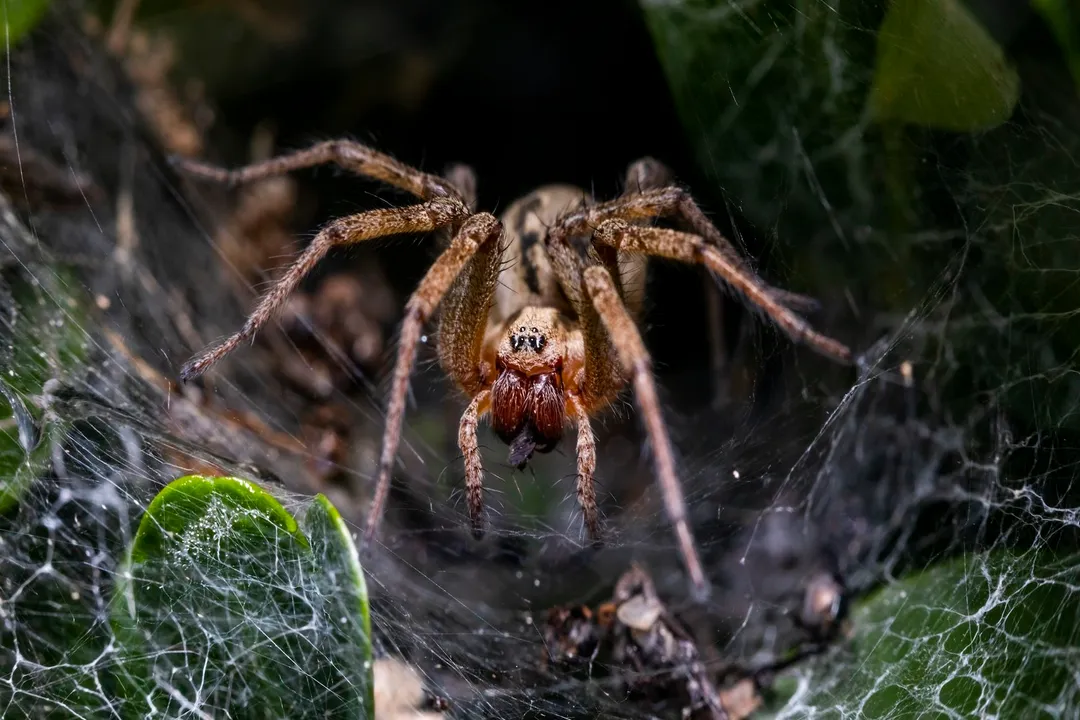
The breadth of the wolf spider's diet leads to an interesting ecological observation: their feeding habits illustrate a high degree of local adaptation concerning available resources. In any given environment, the spider will consume what is most abundant and easiest to catch. [7] If a localized infestation of, say, small darkling beetles occurs in the mulch, the wolf spider population in that immediate area will likely show a temporary spike in beetle consumption. [7] Conversely, if a sudden influx of flying ants emerges, those will feature prominently until the swarm passes. [1] This adaptability is a key reason why they are so successful across varied habitats, from deserts to forests. [6]
Consider a scenario in a manicured suburban lawn versus a wild woodland floor. The lawn spider’s diet might skew toward common lawn pests like small surface-dwelling caterpillars or specific types of ants, while the forest spider feeds more heavily on detritus-associated species found deeper in the leaf litter, such as certain millipedes or soil-dwelling grubs, provided they can subdue them. [6] This constant adjustment to local biomass ensures survival regardless of minor seasonal fluctuations in specific insect populations. [7]
Beyond insects, a frequently noted aspect of their opportunistic nature is their tendency toward cannibalism and spider predation. [9] If a smaller wolf spider crosses the path of a larger one, the larger individual may treat it as prey. [9] They are not selective enough to avoid consuming other spiders, though this behavior is usually reserved for encounters with smaller or weaker individuals. [9] This intraspecific predation helps regulate spider numbers in resource-scarce situations.
# Comparison with Web Builders

To fully appreciate the wolf spider's diet, contrasting it with that of obligate web-builders is useful. A garden orb-weaver, for example, is almost entirely dependent on aerial insects—flies, mosquitoes, and small moths—that blunder into its sticky net. [1] If the aerial insect population declines, the orb-weaver faces starvation unless it moves its entire web structure. [1]
The wolf spider faces no such immediate dependency. Because it hunts on the ground and pursues prey, it has more control over the hunt and a wider potential pantry. [5] If flying insects are scarce, it can simply spend more time hunting terrestrial insects like ants or small crickets moving through the grass. [1][5] This active, ground-based foraging provides a buffer against the day-to-day volatility of aerial insect availability. This difference in hunting style dictates a difference in diet: the web-builder eats what is trapped; the wolf spider eats what is encountered. [5]
# Practical Implications for Pest Management
For those interested in natural pest control around a home or garden, understanding the wolf spider's diet is highly relevant. [1][2] Since they consume so many common household and garden nuisances—cockroaches, crickets, and earwigs—encouraging their presence by leaving some ground cover, such as mulch or leaf litter, can be a sensible management strategy. [1][6] However, it is important to remember their non-selective nature; they will consume beneficial insects like ground beetles or solitary wasp larvae with equal enthusiasm if they fit the size profile and are successfully ambushed. [7] Their value lies in broad-spectrum population suppression rather than targeted pest removal.
Furthermore, recognizing that they eat relatively large prey, such as small mice or frogs, should temper any worry about them preying on very small ornamental fish if the spiders are near water features, although their primary preference remains arthropods. [2][5] The general consensus among those observing them in natural settings is that their positive impact on general insect control far outweighs the occasional capture of a desirable invertebrate. [1][2]
# Diet Across Habitats
Wolf spiders are distributed globally, found across continents including Australia, where they are recognized for their impressive size and predatory skills. [8] In environments like the Australian bushland, the diet might lean toward larger native beetles or orthopterans. [8][9] In contrast, in indoor environments, they become highly focused on household invaders. [1]
One interesting point arises when comparing documented feedings across different regions. For example, one observation noted the consumption of tiny prey like springtails by very small individuals. [4] Conversely, documented cases of larger species taking small amphibians suggest a significant energy boost from such meals. [2][5] This variation isn't due to different types of predators, but rather the adaptation of the same predatory type to radically different local food webs. [6][7] The common denominator remains the behavioral commitment to ambush and overpower any accessible protein source encountered near the ground. [5]
Related Questions
#Citations
Wolf Spider Diet, Habitat, Prevention Methods & More
Wolf Spider Facts - Terro
What do wolf spiders eat? - Facebook
Food for a tiny wolf spider? - Reddit
Wolf spiders: Behavior, bites and other facts - Live Science
Wolf Spiders - Missouri Department of Conservation
What Do Wolf Spiders Eat? - A-Z Animals
Wolf Spiders - The Australian Museum
What kinds of insects do wolf spiders eat? - Quora
Wolf Spider - Australian Reptile Park