Yellow Sac Spider Diet
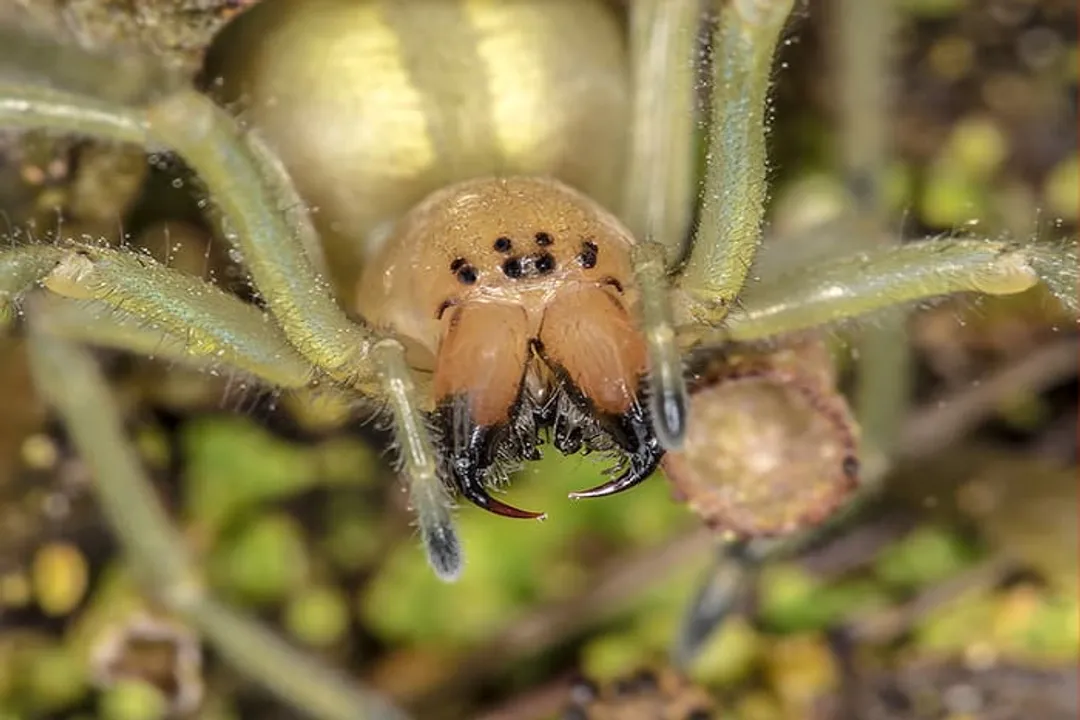
The diet of the yellow sac spider, scientifically known as Cheiracanthium inclusum in many regions, reveals a predator much more versatile than its casual classification as a common house visitor might suggest. These arachnids are defined by their active, nocturnal pursuit of sustenance rather than reliance on a static snare web. They are fundamentally carnivores, meaning their primary energy comes from consuming other animals, but their dietary habits extend to include plant matter, a fact that offers important context for their survival strategies.
# Insect Targets
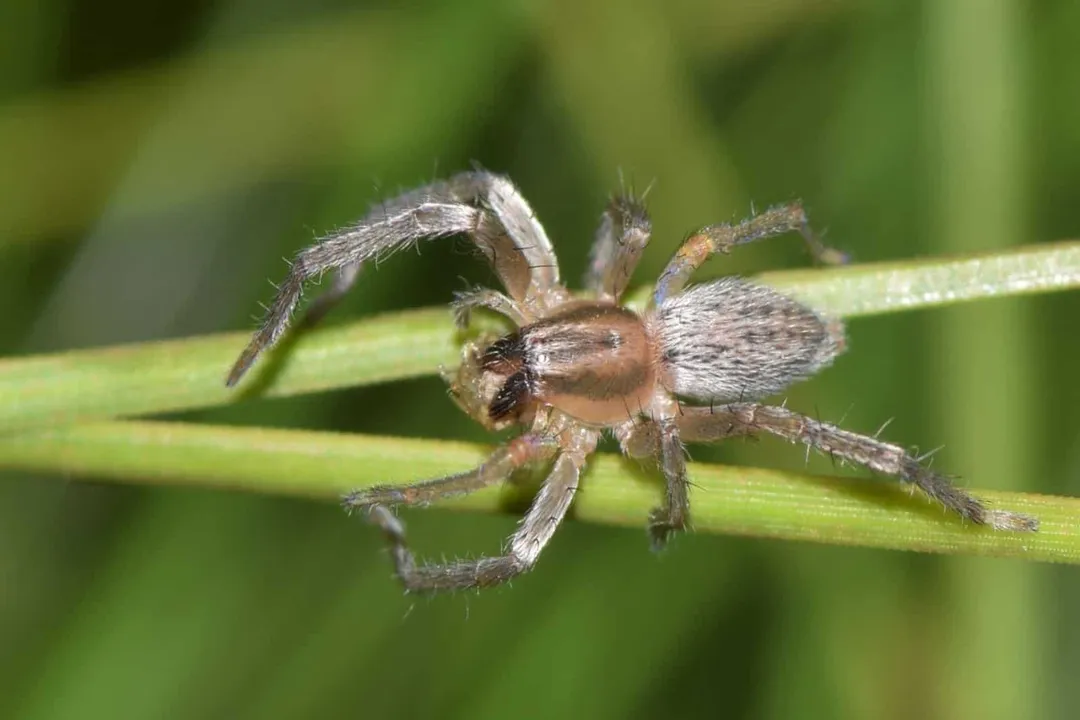
The bulk of the yellow sac spider's menu is comprised of small insects and other arthropods. Their commonality in gardens and agricultural areas means they target a wide array of soft-bodied invertebrates that homeowners or farmers might consider pests. For instance, studies on these spiders, particularly C. inclusum, show they readily consume pests like leafhoppers (Erythroneura variabilis), fleahoppers (Pseudomatoscelis seriatus), and various species of fruit flies (Drosophila sp). Other frequently noted insect prey includes flies, moths, mosquitoes, ants, crickets, and beetles.
The breadth of their prey is quite extensive, spanning various pest categories. In agricultural settings, such as vineyards and cotton fields where these spiders are actively studied for their beneficial impact, they have been recorded preying on cotton plant bugs (Creontiades signatus) and even the eggs laid by certain moths (Lepidopterans), such as the corn earworm (Helicoverpa zea) and the diamondback moth (Plutella xylostella). Even when found indoors, their diet reflects what is available, meaning common indoor arthropods become their targets. They have an opportunistic approach to feeding, driven by the availability of suitable prey.
It is interesting to note that while many sources list common household or garden bugs, the scientific literature points to the consumption of specific agricultural pests, demonstrating that their in-situ diet is heavily dependent on the local biome. A spider hunting in a grape vineyard has a fundamentally different menu than one hiding in a suburban living room corner, even if both are classified as yellow sac spiders.
# Intraspecies Consumption
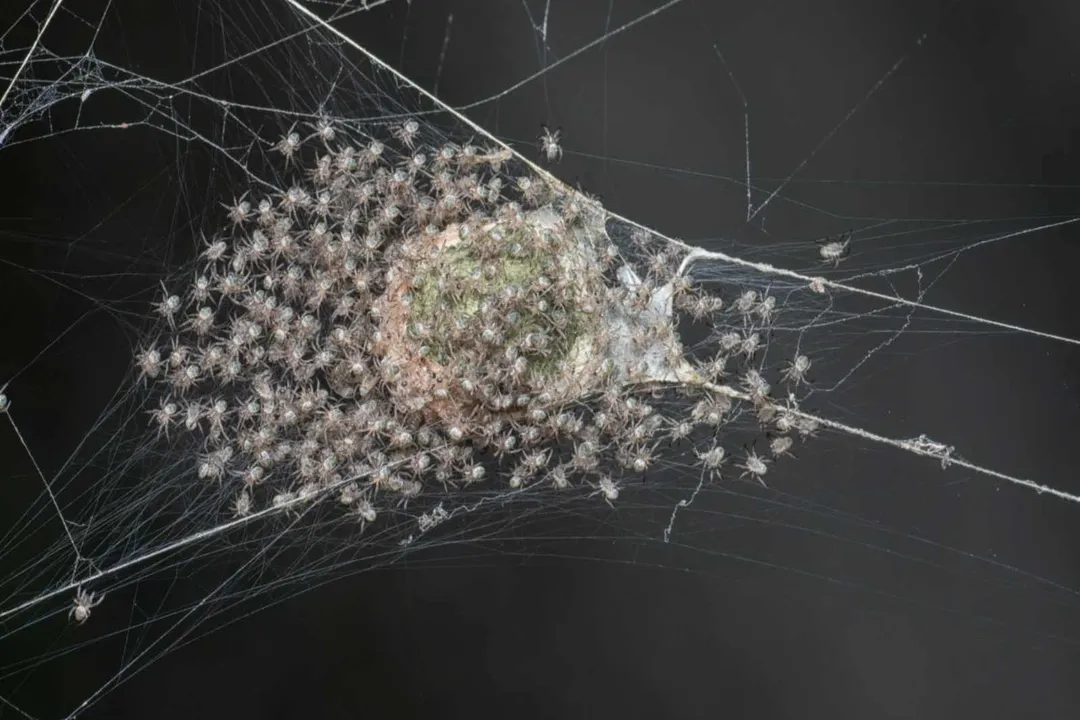
Beyond external prey, the yellow sac spider exhibits a darker side to its feeding behavior: predation on its own kind. This is a common characteristic among many solitary spiders, but it becomes notably pronounced in Cheiracanthium species when resources are low.
When the availability of insects or other small invertebrates dwindles, yellow sac spiders may resort to cannibalism. This can involve attacking and consuming other spiders they encounter. More disturbingly, they have been known to consume their own egg sacs. This fallback mechanism ensures that the adult spider, having expended significant energy, can sustain itself even in periods of scarcity, though it results in the loss of the next generation. The competition for limited food resources directly impacts reproductive success, driving females to sometimes turn on their offspring or their own unhatched clutch.
# Nectar Intake
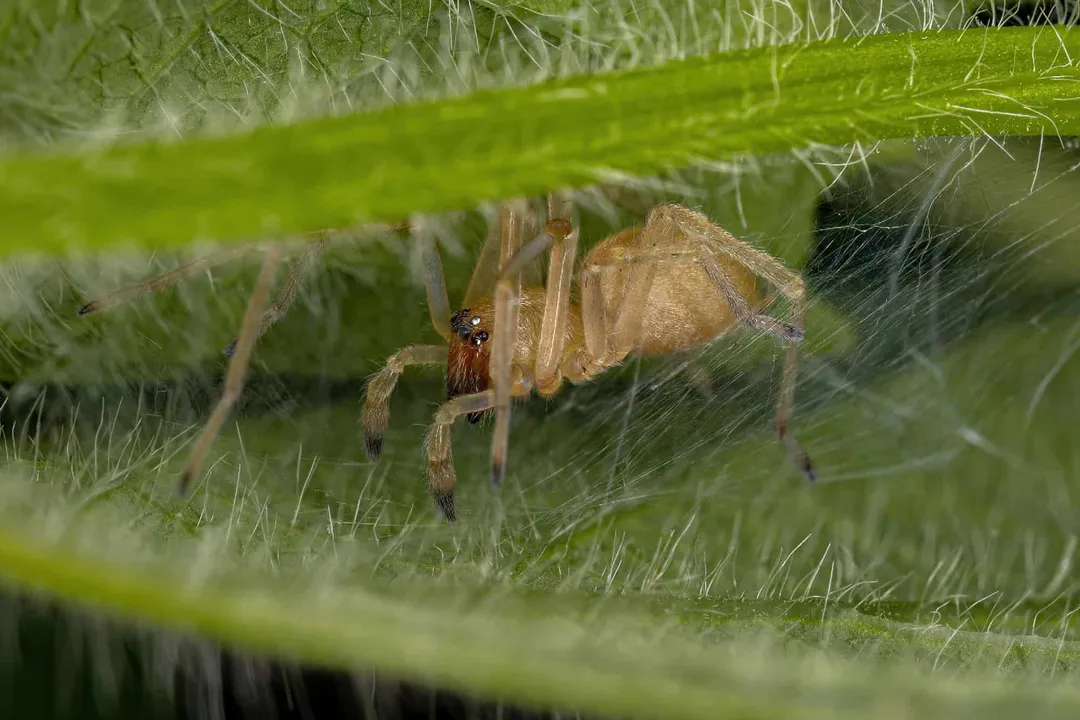
Perhaps the most surprising element of the yellow sac spider’s diet is its documented consumption of plant material, specifically nectar. This is not merely incidental ingestion; research indicates that the incorporation of nectar into their diet serves a genuine physiological purpose.
For these spiders, consuming nectar can significantly elevate fitness. This translates directly into increased survival rates, better growth, and enhanced fecundity (reproductive output). This supplementary energy source becomes particularly critical during periods of prey scarcity. The ability to switch, even partially, from a pure carnivore diet to one that includes a readily available carbohydrate source like nectar offers a major adaptive advantage. Furthermore, researchers have suggested that nectar intake can actually accelerate sexual maturity and enhance the volume of offspring produced when females finally do mate and lay eggs. This finding adds a layer of nuance to population dynamics; their ability to sustain themselves through lean times via nectar means their numbers might not crash as rapidly as strictly carnivorous predators during a dip in the insect population.
# Nocturnal Hunting
The success of the yellow sac spider’s diet—whether insects, other spiders, or nectar—is entirely dependent on its behavior. These spiders are strictly nocturnal, spending their daylight hours safely tucked away inside their small, silken sacs.
They do not utilize large, permanent webs for trapping food; instead, they are active hunters. They rely on stealth and speed to locate and secure prey under the cover of darkness. The front pair of legs are characteristically longer than the others, and they use these appendages to feel for vibrations and movements, allowing them to quickly close the distance on unsuspecting prey. Once in range, they strike quickly, injecting their prey with cytotoxic venom to paralyze it before using their sucking stomachs to consume the liquefied insides. This quick, decisive predatory method is essential for capturing mobile prey like flies or moths that would easily escape a less direct ambush.

# Pest Control Value
When considering the yellow sac spider's feeding habits, it is important to balance their presence indoors with their role in outdoor ecosystems. Outside of human structures, these spiders act as secondary consumers and are considered valuable anti-pest predators. Their continuous hunting of smaller arthropods helps keep populations of certain agricultural pests in check within orchards and fields. In this capacity, their consumption habits contribute positively to crop yields.
However, the dynamic shifts when they seek shelter indoors, usually in the fall as temperatures drop. Indoors, their diet still consists of small insects like ants and flies, which is a positive contribution to reducing other household pests. Yet, their tendency to construct their small silk sacs in corners of walls and ceilings, often near where people sleep or rest, increases the potential for accidental encounters. Their diet is, therefore, directly linked to their pest status: a low insect population indoors might cause them to become more active hunters, which in turn increases the already low probability of a defensive bite against a human. Understanding what they are hunting provides a pathway for management—if you reduce their insect food sources inside, the spiders are less likely to stay or thrive there.
Related Questions
#Citations
Everything You Need to Know About Yellow Sac Spider
Yellow Sac Spider - A-Z Animals
Cheiracanthium inclusum | INFORMATION - Animal Diversity Web
Yellow Sac Spiders Identification | Pest ID - Bug Out
Been seeing many Yellow Sac Spiders. - Reddit
Yellow Sac Spiders: Identification and Removal - Terminix
What You Need to Know About Yellow Sac Spiders
The Ultimate Guide To Yellow Sac Spiders In Maine
Sac Spider Identification, Habits & Behavior - Florida Pest Control