Writing Spider Diet
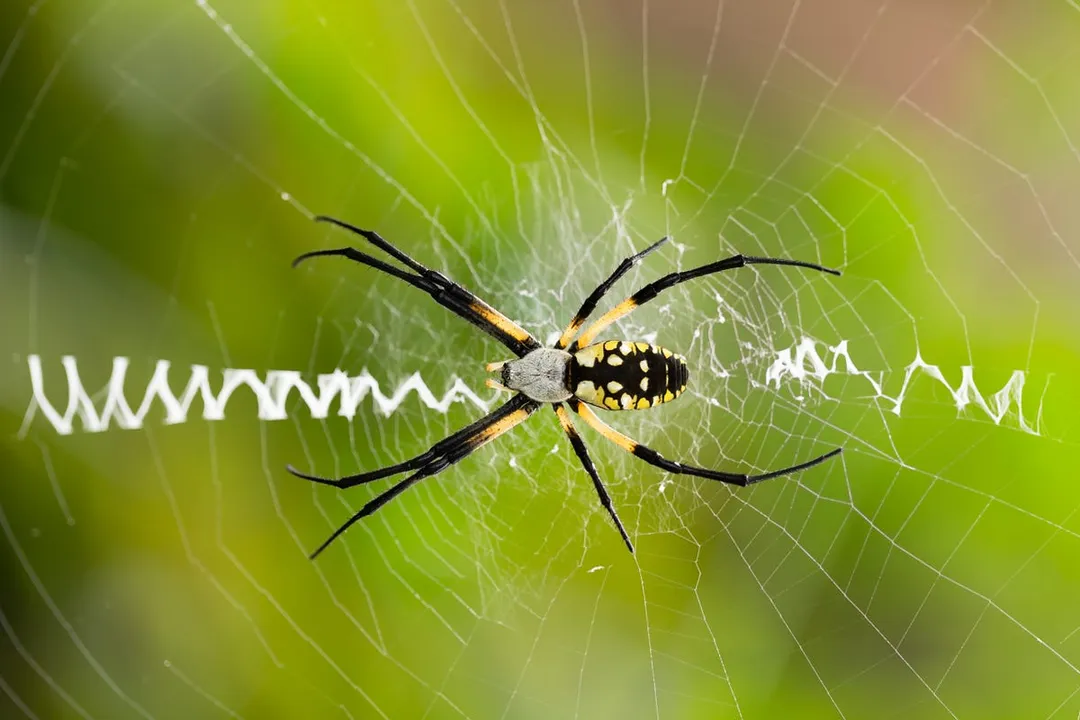
The diet of the Yellow Garden Spider, scientifically known as Argiope aurantia, is central to its existence as one of North America’s most recognizable orb-weaving arachnids. While the name "Writing Spider" often comes from the distinctive zig-zag stabilimentum woven into its web, this structure is less about aesthetics and more about creating an effective, high-visibility trap for a consistent meal. Understanding what these spiders eat reveals much about their role in the local environment, whether they are residing in a manicured backyard or a wild field.
# Orb Weaver
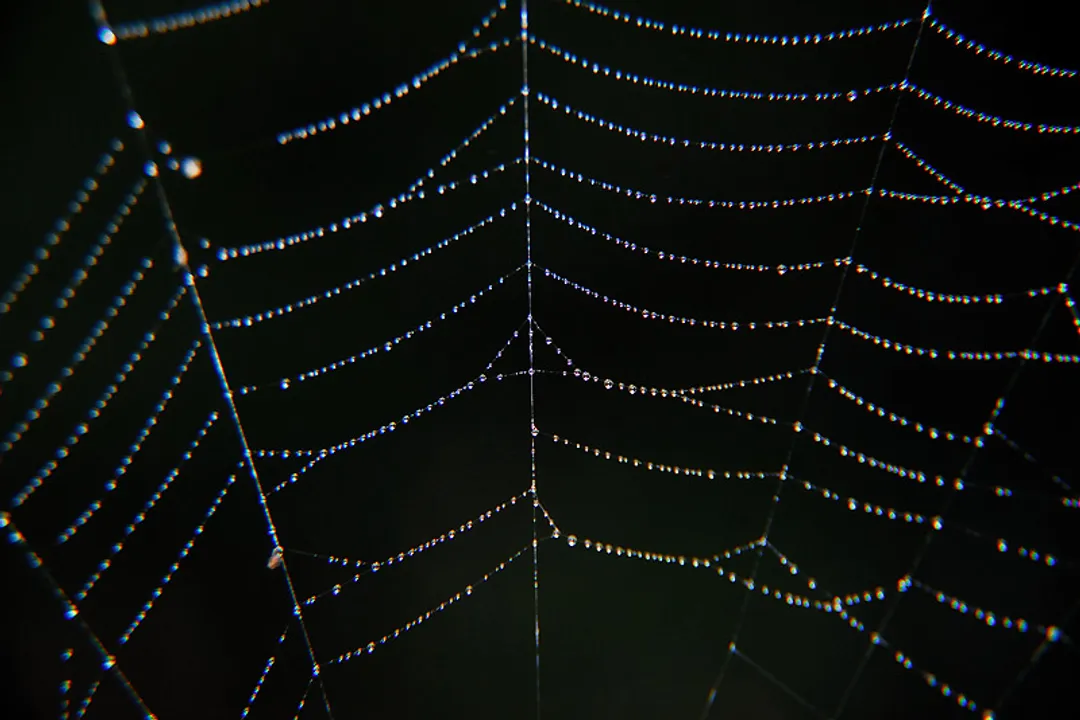
Argiope aurantia builds a large, intricate orb web characterized by radial threads emanating from the hub and spiral capture threads coated in a sticky substance. These webs are temporary structures, often rebuilt daily, usually in sunny, open areas where flying insects are common. The size and structural integrity of the web are directly correlated with the spider's feeding success and its overall energy maintenance.
The placement of the web is a critical, non-dietary choice that dictates the menu. These spiders generally position their webs between stationary objects, such as tall plants or fence posts, often angled to catch the sun, which may help attract insects or, conversely, make the web less visible to them. The effectiveness of the silk itself is phenomenal; it must be strong enough to absorb the kinetic energy of a large, powerful insect like a grasshopper while remaining pliant enough to signal the vibrations of a tiny gnat. Given that the web must be strong enough to hold a grasshopper but delicate enough to vibrate with a small fly, the tensioning required in the silk construction is a marvel of bioengineering, far more complex than a simple sticky trap.
# Prey Selection
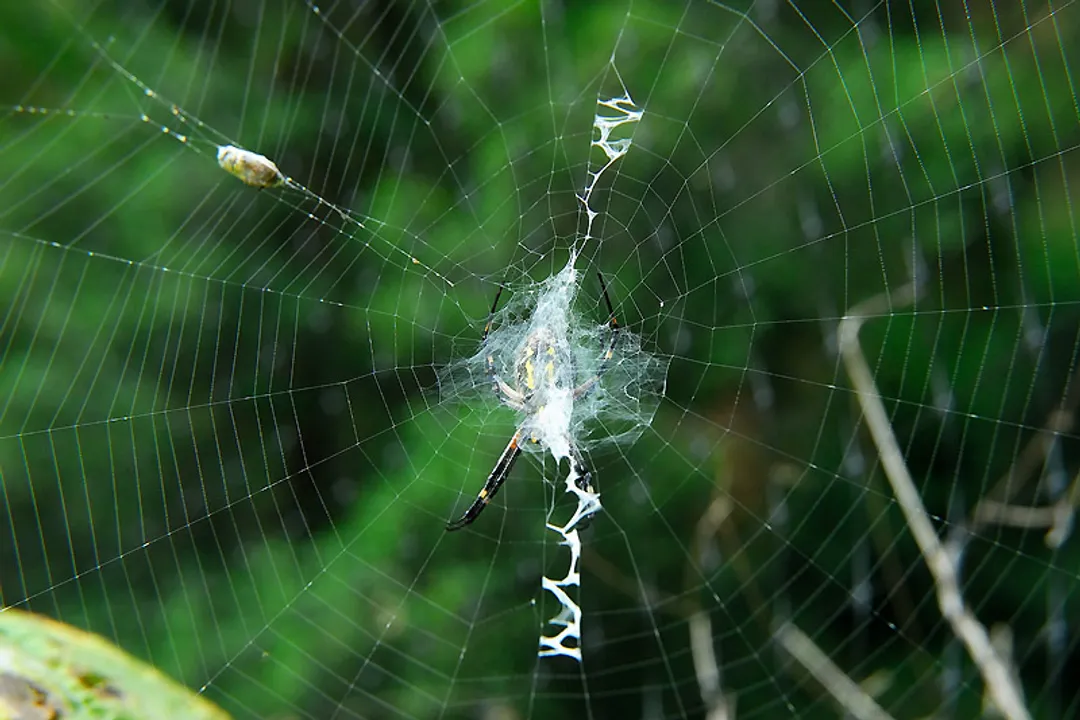
The Yellow Garden Spider’s diet consists almost entirely of insects captured directly in its sticky snare. They are opportunistic feeders, consuming almost any creature that blunders into the silk barrier and becomes entangled. Their primary targets, however, tend to be flying insects that are active during the day when the web is most likely to be maintained and functional.
Common prey items listed include:
- Flies of various sizes
- Moths, especially those active during daylight hours
- Grasshoppers and crickets
- Small beetles
- Occasionally, small bees or wasps, though these are more dangerous to the spider due to stinging capabilities.
The size of the catch dictates the spider's reaction. While smaller insects might be secured quickly, a very large insect, such as a mature grasshopper, can cause the entire web to shake violently, alerting the spider but also presenting a significant threat if the insect manages to tear free. The spider must assess the catch quickly to determine if it is worth the energy expenditure to subdue.
# Feeding Method
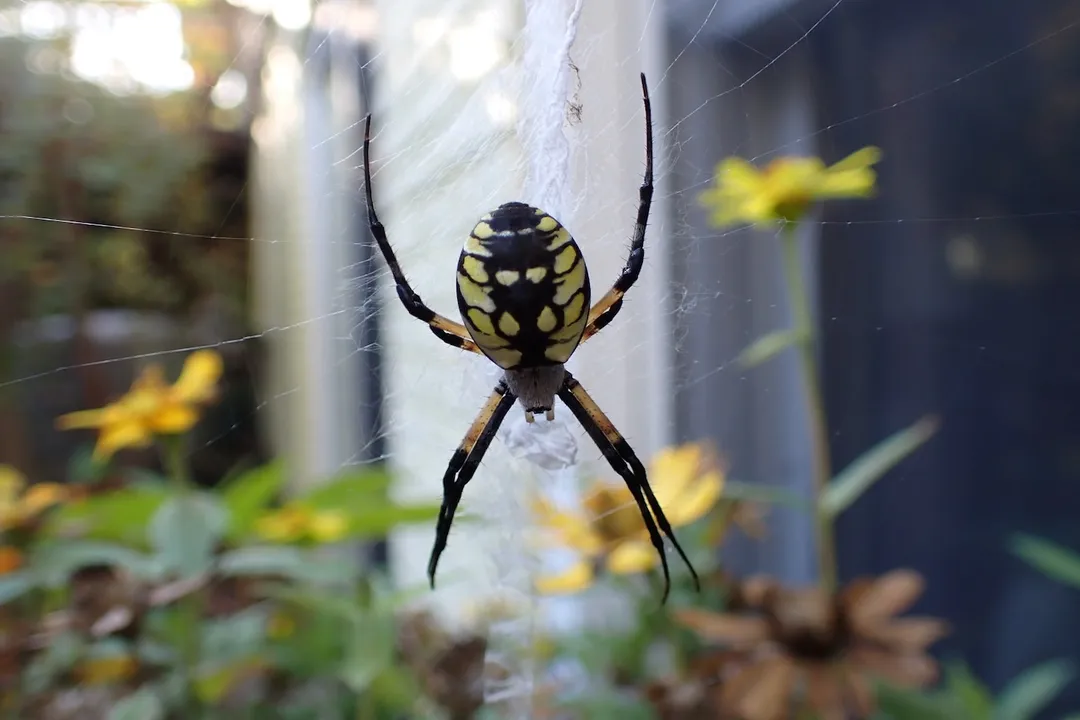
Once prey is snagged, the Argiope aurantia acts with remarkable speed and precision. The spider instantly rushes to the captured insect, often running down the radial line connecting the prey to the hub. Before biting, the spider engages in a wrapping process, using its legs to rapidly spin copious amounts of silk around the struggling victim. This wrapping serves to immobilize the prey completely, preventing it from damaging the web or escaping.
After wrapping is complete, the spider delivers a venomous bite. While the venom is generally not dangerous to humans, it serves to subdue the prey permanently. Following the initial immobilization, the spider injects digestive enzymes into the prey. These enzymes work externally, liquefying the soft internal tissues of the insect. The spider then returns, sucks out the resulting nutrient-rich liquid, and leaves behind a dry, empty husk of the insect's exoskeleton. This husks is then often cut from the web and allowed to fall to the ground, keeping the sticky spiral clean for new captures.
This digestive process highlights an important aspect of spider husbandry, should one ever decide to keep one: they cannot consume dry food or solid matter; the meal must be processed externally by enzymes. For a captive spider, this means that feeding dried mealworms or dead, un-enzymated crickets will result in starvation unless the keeper manually injects the insect with a suitable liquid nutrient source or ensures the spider can process it first.
# Garden Benefit
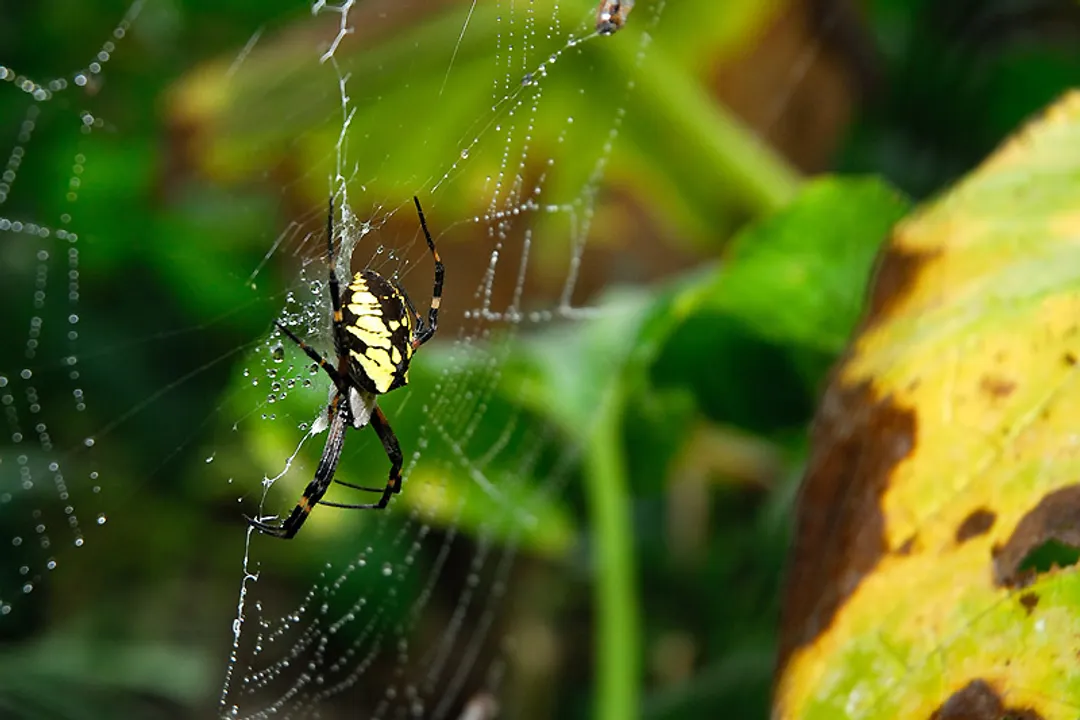
The Yellow Garden Spider's active predation makes it a highly valued, beneficial resident in almost any garden, farm, or natural area. Their diet directly translates into pest control services for homeowners and agricultural producers alike. By continuously removing flying and hopping insects, they help keep herbivore populations in check, which can reduce damage to ornamental and food crops.
Unlike some beneficial insects that only consume pests during a specific life stage, the adult Argiope aurantia is a voracious predator throughout its active season. Their tendency to rebuild their webs daily, sometimes multiple times, ensures a constant state of readiness for the next meal.
For gardeners looking to attract and keep these beneficial predators, planting flowers that attract smaller, soft-bodied insects (like dill or fennel) ensures a steady supply of maintenance meals for the spider, keeping it invested in the area even when larger pests are scarce. Their effectiveness means that the presence of a mature Argiope is often a good indicator that the immediate area is supporting a diverse, albeit sometimes pestiferous, insect population. They are generally considered harmless to people, provided one does not deliberately harass or touch them.
# Captive Care
Although they are excellent hunters in the wild, keeping a Yellow Garden Spider requires mimicking its natural feeding cycle. When kept in captivity, often for educational purposes or personal interest, the spider relies entirely on its keeper for sustenance. The primary rule is size matching: the prey must be small enough for the spider to safely subdue and wrap, yet large enough to provide meaningful nutrition. A spider that catches prey larger than itself risks injury or death during the struggle.
Feeding generally involves placing live insects—such as crickets, flies, or grasshoppers—directly onto the web where the spider can detect the vibrations. If the spider is very hungry, it may quickly secure the meal. If it is satiated, it might ignore the offering until later. Water is also essential, and keepers often provide it by misting the web lightly or placing a small water source nearby, as the spider may drink dew droplets collected on the silk. Managing the diet in captivity means balancing the frequency of feeding with the size of the insect to ensure the spider is neither starved nor overwhelmed by an unmanageable catch.
Related Questions
#Citations
Yellow Garden Spider | Facts, Information & Control Methods - PrestoX
The Writing Spider - Life in the Places Between - Humane Gardener
Caring for a yellow garden spider - Reddit
The Writing Spider (Argiope aurantia) - Curbstone Valley Farm
It is an Argiope aurantia, known as the "writing spider." - Facebook
Beneficial Yellow Garden Spiders - Clemson HGIC
Yellow Garden Spider, Writing Spider Argiope aurantia (Lucas ...
Writing the Season | Piedmont Gardener
Argiope aurantia | INFORMATION - Animal Diversity Web
The Writing Spider: Harmless Bug or Dangerous Nightmare Machine?