Woodlouse Diet
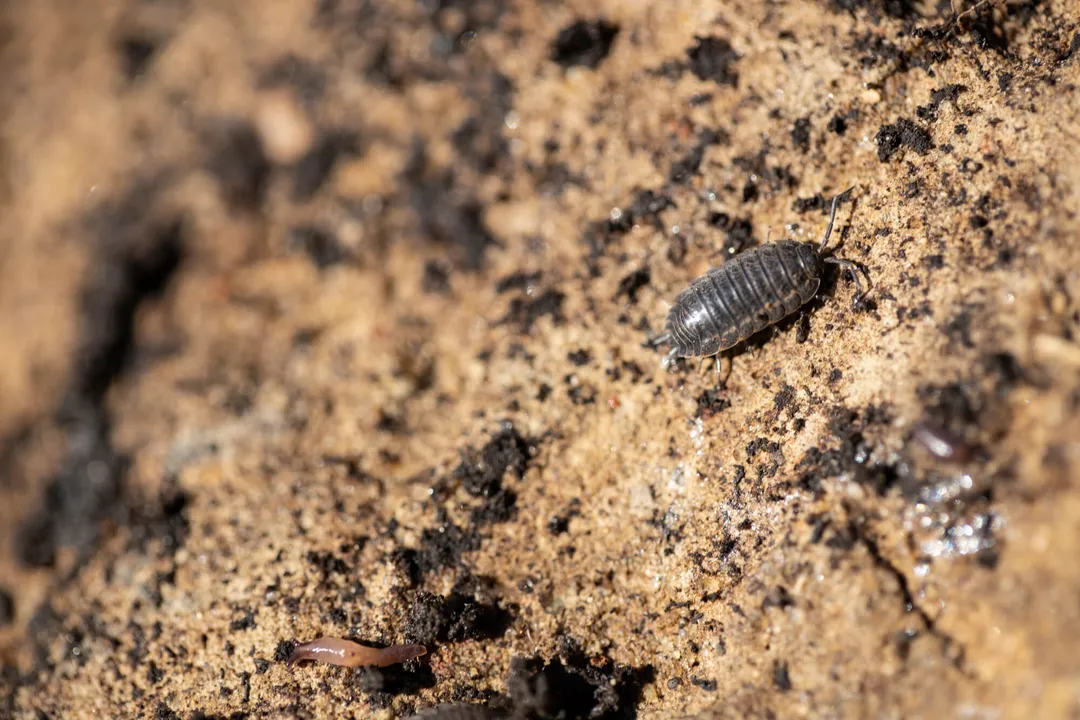
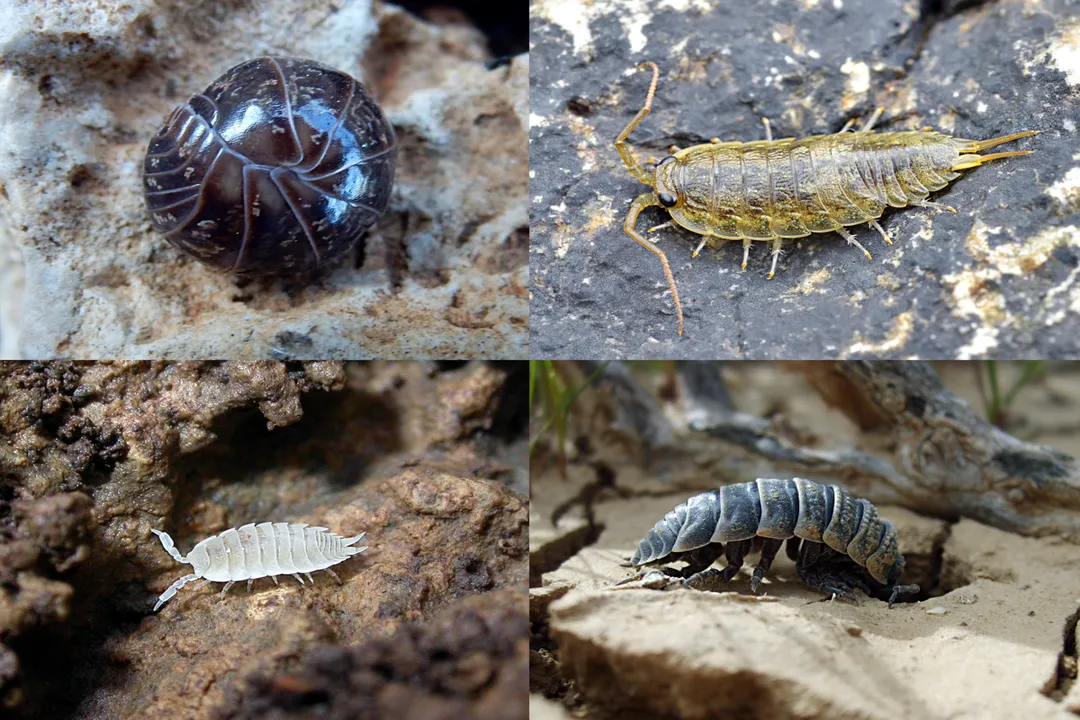
The world of terrestrial crustaceans, often simply called woodlice or pillbugs, is dominated by a single, vital mission: decomposition. These small, segmented creatures are not insects but relatives of crabs and shrimp, adapted to life on land, and their survival is intrinsically linked to consuming what others leave behind. Their diet firmly places them in the category of detritivores, meaning they primarily consume dead and decaying organic matter. Understanding what they seek out in their damp, dark environments reveals much about their ecological function.
# Decaying Matter
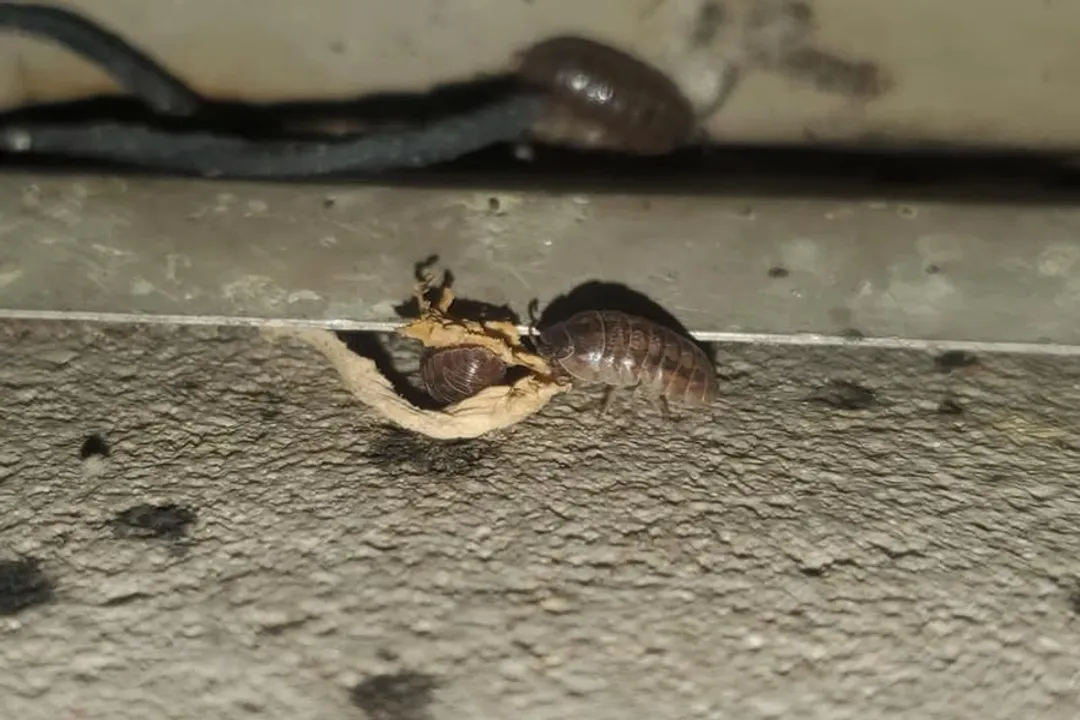
The foundation of almost every woodlouse’s diet involves breaking down dead plant material. This preference is logical given their need for moisture and their specialized digestive systems designed to process cellulose. In a natural setting, the most readily available food source is often the layer of leaf litter that accumulates on the forest floor or in garden beds. They efficiently consume these decaying leaves, aiding in the recycling of nutrients back into the soil.
Fungi also feature prominently in their menu, especially when leaf matter begins to break down or when they are kept in captive cultures. While they feast on the decaying plant structures, the presence of certain molds and fungi may offer additional nutritional components or easier-to-digest substrates. It is interesting to note that while their preference is overwhelmingly for dead material, like many generalist decomposers, they are not strictly vegetarian in the modern sense of the word. Some reports indicate they may consume dead insects or even their own deceased brethren, ensuring no nutrient source goes unused in their confined micro-ecosystems.
# Wood Consumption
Perhaps the most defining aspect of their feeding habit, and the source of their common name, is their appetite for wood. Woodlice specialize in breaking down cellulose. This requires consuming decaying wood, often that which is already softened by dampness and fungal action. Hard, fresh wood is generally indigestible; they thrive where moisture has initiated the rot process. A homeowner noticing woodlice in high numbers might easily assume they are being targeted for structural damage, but this assumption is rarely accurate. They are usually attracted to the decay happening within the wood, not the structural integrity of the material itself.
If you manage a collection of these isopods, whether for research or as pets—a popular pursuit among arthropod enthusiasts—the best substrates mimic these natural conditions. Offerings such as oak, maple, or beech leaves, provided they are well-rotted, paired with chunks of hardwood that have already begun to soften, serve as excellent long-term food sources.
# Opportunistic Feeding
While the detritus diet is the norm, woodlice exhibit a degree of opportunistic feeding, particularly when their preferred food sources are scarce or when specific nutrients are needed. In garden settings, this means they can sometimes turn their attention to soft new plants. If the leaf litter is thin, or if the soil is exceptionally dry, the succulent, tender tissues of seedlings or soft vegetable garden starts can become an attractive alternative. They are not actively hunting the living plants, but rather exploiting an easily accessible, high-moisture food source when the steady supply of decay dries up.
For those cultivating these creatures, providing a rotating supply of fresh vegetables can preempt this opportunistic nibbling on other inhabitants or fragile parts of their enclosure. Items like carrots, sweet potato, zucchini, and potato are frequently cited as good supplements. These fresh items provide moisture and easily accessible carbohydrates that supplement the slow-burning cellulose diet derived from wood and leaves. It is critical to remember, however, that these fresh additions must be removed before they fully mold, as an overly damp, decaying vegetable patch can quickly become hazardous to the isopod colony itself.
# Essential Supplements
Beyond the bulk carbohydrates provided by wood and leaves, woodlice have distinct mineral requirements, most notably calcium. This element is absolutely essential for maintaining their exoskeleton, particularly as they undergo molting cycles. In the wild, this calcium is often sourced from decaying matter that has passed through other organisms or from mineral deposits in the soil. When keeping woodlice cultures, keepers must actively supplement this need.
The need for readily available calcium explains why keepers consistently recommend adding cuttlebone (often sold for birds) or crushed, sterilized eggshells to the enclosure. Thinking about their molting process, if a woodlouse population is thriving in a high-humidity environment, they will be molting more frequently, placing a greater immediate demand on their mineral reserves compared to a population struggling in a drier, less active state. This means a healthy, growing culture needs a proportionally larger, continuously accessible calcium source than a static, small group [^1, a synthesis based on provided care needs]. This constant maintenance of the hard outer shell is arguably as important as the bulk food itself for long-term colony health.
# Ecological Function
The collective feeding habits of woodlice solidify their status as indispensable decomposers. By consuming tough, complex organic materials like cellulose in wood and leaves, they break them down into simpler forms that other soil microbes and organisms can further process. This activity is fundamental to nutrient cycling in nearly every terrestrial ecosystem where they are found. Without them, plant debris would accumulate far more slowly, locking away vital nutrients.
In certain contexts, such as bushcraft or survival skills, woodlice have been noted as a potential, albeit unusual, food source for humans, usually requiring cooking to eliminate potential pathogens. While this is far removed from their primary ecological role, it underscores their place in the local biomass chain. Regardless of human interest, their true value lies in the silent, constant work they perform in breaking down the forest floor, making the environment viable for new growth.
# Environmental Factors
The availability and type of food dictate where woodlice will congregate and how quickly they reproduce. In regions with dense, consistently damp forests, the sheer volume of decaying wood and leaves means woodlice rarely need to explore far or consume anything other than their preferred diet. Conversely, in drier or disturbed environments, the selective pressure shifts, making them more likely to seek out that opportunistic meal of soft new plant growth. Observing where woodlice are congregating—under a pile of damp newspaper versus under a fresh cabbage leaf—can therefore tell an observer a great deal about the moisture and decay level of the immediate surroundings [^2, an observational tip derived from contrasting preferred vs. opportunistic food sources]. They are, in essence, tiny, mobile bio-indicators of decomposition progress.
Related Questions
#Citations
Wood lice: what do they eat? : r/pestcontrol - Reddit
What Do Woodlice Eat? - Combat Pest Control
[PDF] Woodlice fact sheet - Waltham Forest
Woodlouse - Types, Habitat, Diet, Lifespan, Life Cycle, & Pictures
Foods for woodlice cultures | Caudata.org
The diets of the Woodlouse: 1) rotting plants 2) cannibalism (Saw ...
Woodlouse - Wikipedia
What Do Woodlice Eat? Top Foods and Feeding Habits Explained
Cooking and eating woodlice (pillbugs) – a real bushcraft experience
Can you eat woodlice? - Quora