Why do wood bison show a strong preference for foraging on recently burned areas?
Answer
Fire makes the new, nutrient-rich spring growth accessible and palatable.
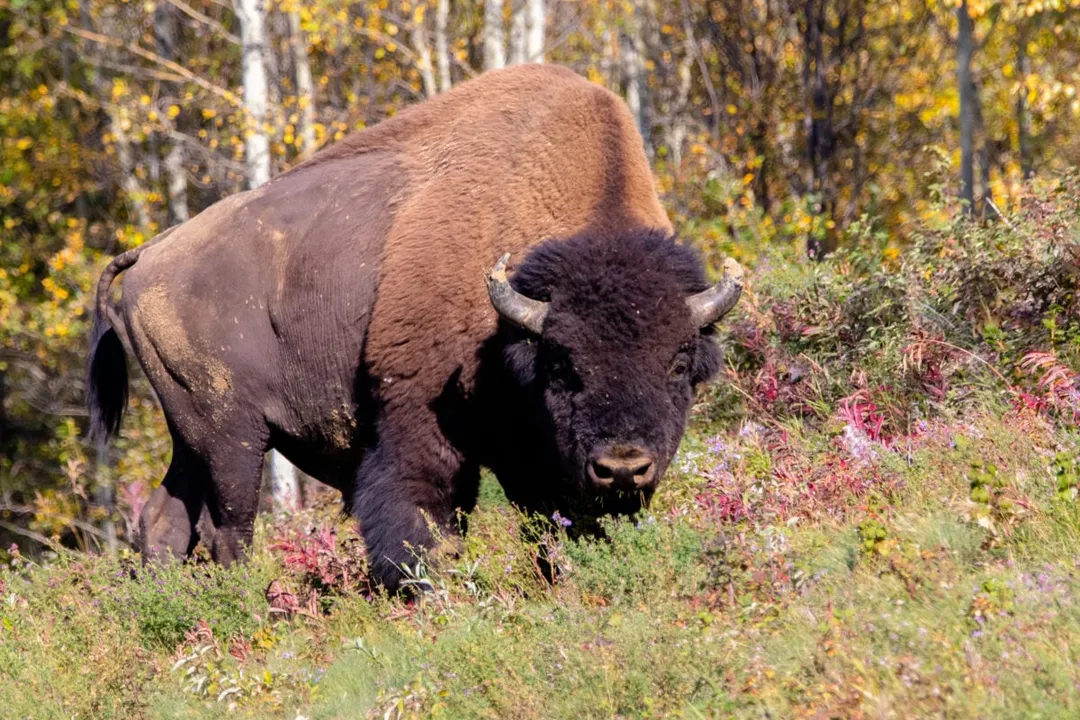
The feeding habits of the wood bison directly interact with ecosystem management techniques like prescribed burning. They actively seek out and prefer to forage in areas that have recently experienced fire. This preference is highly beneficial ecologically because the fire clears away old, persistent dead plant material. This process allows the subsequent new, nutrient-rich spring growth of grasses and sedges to become much more accessible for consumption and significantly more palatable to the bison.
Related Questions
What physical structures does the wood bison use to sweep snow aside for foraging in winter?What is the primary nutritional component defining the wood bison's graminivorous lifestyle?Which specific plants do wood bison supplementally browse on during warmer summer months?How does slowing their metabolic rate assist wood bison survival in cold temperatures?In the Slave River Lowlands, what two key species constitute over 70% of the wood bison diet year-round?What proportion of the diet did sedges account for in the Mackenzie Bison Sanctuary during winter observations?Why do wood bison show a strong preference for foraging on recently burned areas?What is the primary distinction when comparing year-round consumption between the Slave River Lowlands and Mackenzie Sanctuary?What ecological role is highlighted by the wood bison's habit of wallowing?Besides being generally classified as herbivores, what specific grazing term applies to the wood bison diet focus?What necessary element, besides vegetation, must be continuously available for wood bison survival?