Which two continents show the clearest fossil evidence of Xenacanthus distribution?
Answer
North America and Europe
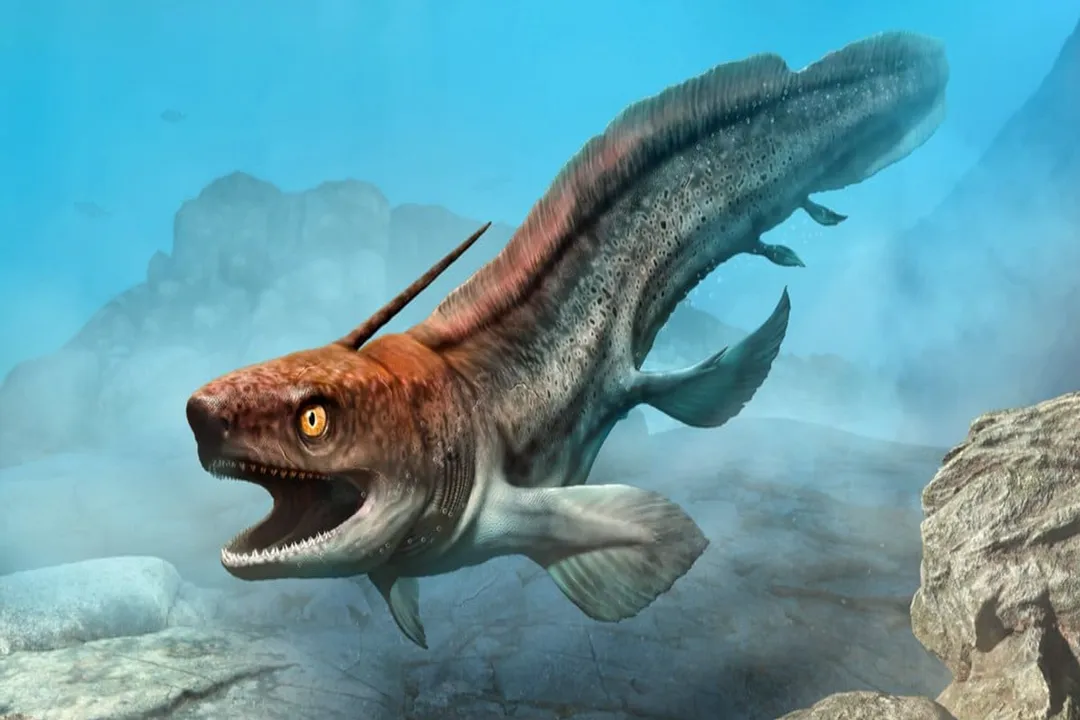
The examination of the fossil record provides geographical indicators for where Xenacanthus existed during the late Paleozoic Era. The established distribution points specifically toward occurrences across landmasses that are now recognized as North America and Europe. The presence of fossils across these areas, which were situated differently when continents were configured as Pangaea, emphasizes that suitable freshwater habitats were widespread across the globe during the Carboniferous and Permian periods. This widespread distribution across the relevant land areas during that time suggests connectivity through ancient drainage systems.
#Videos
How to Catch Xenacanthus in FFXIV - YouTube
Related Questions
What environment did Xenacanthus prefer over the open ocean like most relatives?Which two geological periods define the known temporal range of Xenacanthus fossils?What distinctive physical feature is noted on the head of the shark Xenacanthus?Which two continents show the clearest fossil evidence of Xenacanthus distribution?Which US state is frequently cited as yielding significant Permian freshwater shark finds of Xenacanthus?What factor is critical in determining the locations where Xenacanthus fossils are discovered?Modeling the ancient geography of Xenacanthus requires focusing intently on what hydrological feature?What specific Permian formation is mentioned in connection with Texas Xenacanthus finds?What causes the apparent location data for Xenacanthus to be skewed compared to marine sharks?What process allows for the relatively complete preservation of Xenacanthus remains in certain deposits?What does the broad success of the Xenacanthidae family imply about ancient connectivity?