Which two bumble bee species are cited as examples of hosts successfully usurped by the B. flavidus queen?
Answer
*B. rufocinctus* and *B. perplexus*
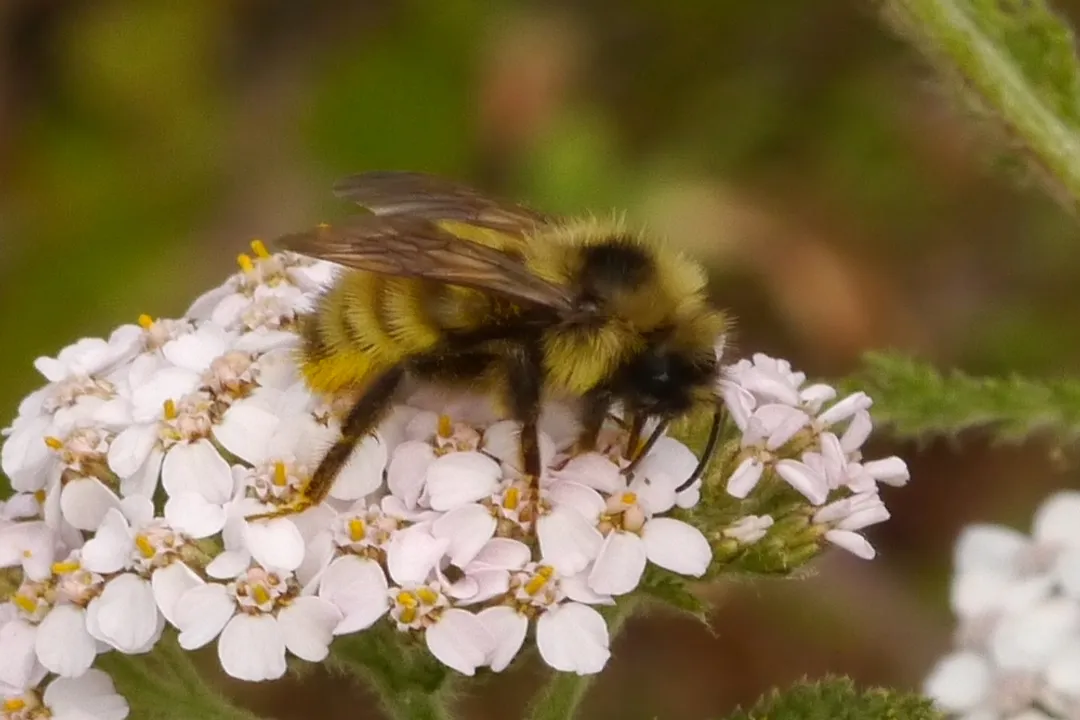
The parasitic strategy of the *Bombus flavidus* queen involves usurping an established, even if small, colony belonging to a host species. The text specifically names the Red-belted bumble bee, scientifically noted as *Bombus rufocinctus*, and the Confusing bumble bee, noted as *Bombus perplexus*, as examples of hosts whose nascent colonies are taken over by the cuckoo queen. This reliance on specific social species dictates where and when the *B. flavidus* queen must forage and assert dominance, as her entire reproductive cycle is tethered to the activity period and presence of these established social colonies.
Related Questions
What is the primary, non-negotiable dietary component for adult Bombus flavidus queens and males?What specialized structure, used by social bumble bees for transport, is absent on Bombus flavidus hind tibiae?Which group is solely responsible for feeding the Bombus flavidus larvae once the queen has usurped a host nest?What critical activity requires high energy reserves for a new, mated B. flavidus queen emerging from diapause?To which subgenus, defined by social parasitism within the Bombus genus, does Bombus flavidus belong?What is the key insight for supporting B. flavidus populations through gardening practices?Which two bumble bee species are cited as examples of hosts successfully usurped by the B. flavidus queen?Why does the B. flavidus queen not need to gather pollen for her own subsistence during the active season?Generally, when do the males of Bombus flavidus appear in the activity cycle relative to the queens?What anecdotal observation suggests a preference in the color of flowers visited by B. flavidus?