What is the best diet for an Eclectus parrot?
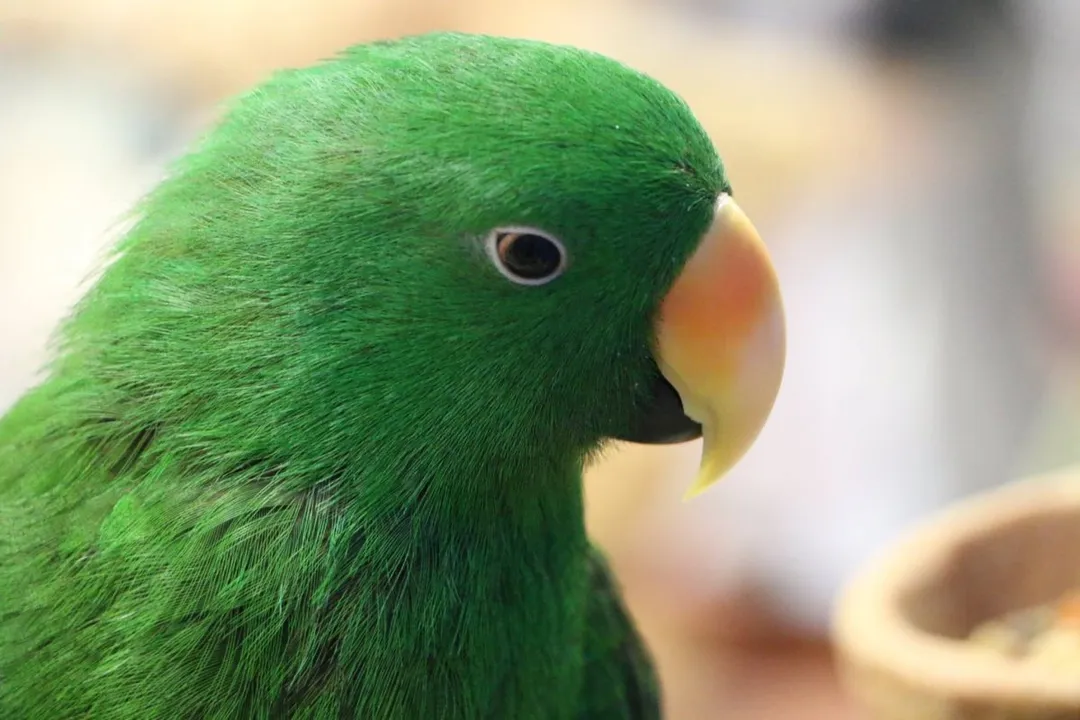
The dietary needs of the Eclectus parrot stand apart in the avian world, demanding a specific approach far removed from the typical seed-heavy mixes often marketed for pet birds. Their natural foraging behavior and unique digestive system, which evolved to process a diet heavy in fruit, nectar, and pollen in the wild, mean that owners must focus heavily on providing fresh, low-fat options to ensure longevity and vibrant health. [1][4] Misunderstanding this fundamental difference is one of the quickest routes to nutritional deficiencies or chronic disease in these stunning birds. [5]
# Wild Diet
Understanding the wild diet provides the essential context for captive feeding. In their native rainforest environments, Eclectus parrots consume a significant amount of fruit, often preferring semi-ripe to overripe varieties. [4][9] They also consume nectar and pollen. [9] This diet is naturally very low in fat and relatively high in carbohydrates and water content. [7] Captive diets that mimic this high-fruit, low-fat profile are essential for replicating their ancestral nutrition. [4]
# Core Nutrition
The cornerstone of a healthy Eclectus diet in captivity should revolve around fresh vegetables and fruits. [6][7] Many reputable avian sources suggest that fresh produce should constitute the vast majority of the parrot’s daily intake, often cited as being around 70% to 90% of the total volume. [1][3][7] This high moisture content helps keep the bird hydrated and provides an essential spectrum of vitamins and minerals. [4] When thinking about quantity, a good rule of thumb for a single medium-sized companion bird is to offer a volume of fresh chop equivalent to about one to two stacked tablespoons per meal, refreshing the offering at least twice daily to prevent spoilage. [5]
# Vegetable Priority
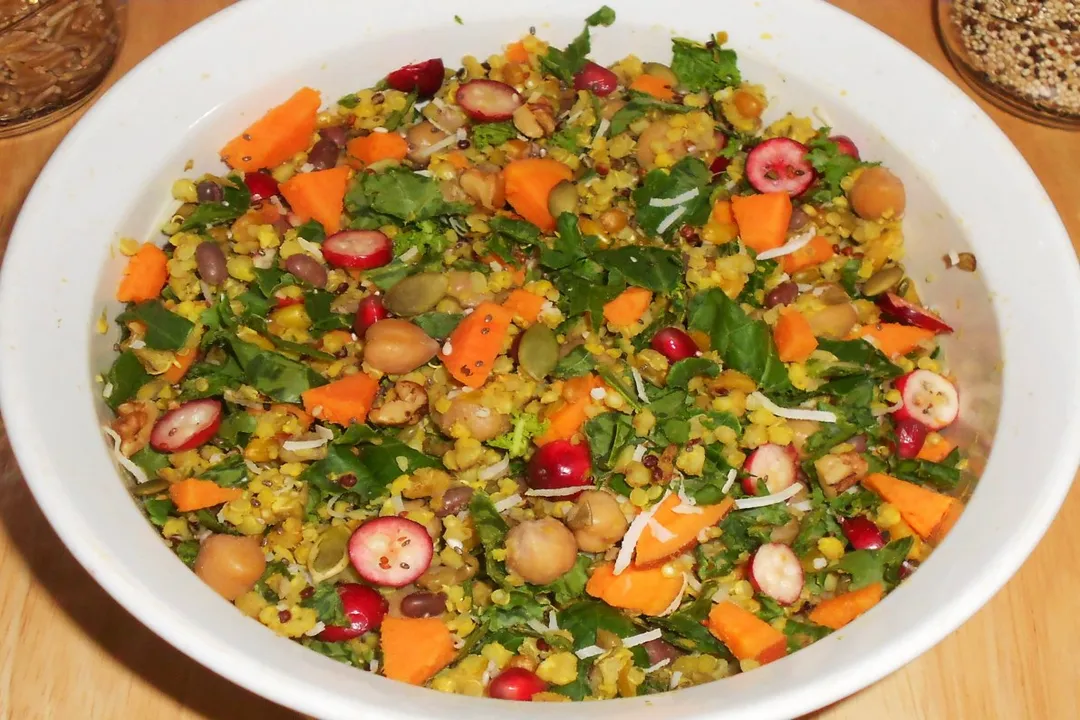
While both fruits and vegetables are crucial, vegetables should form the bulk of the fresh portion of the diet. [4][6] This is primarily due to the sugar content in fruit. [8] The focus within the vegetable category must heavily lean towards dark, leafy greens and brightly colored vegetables, as these are paramount for meeting the Eclectus’s critical need for Vitamin A. [2][7]
Eclectus parrots have a biological difference that prevents them from efficiently converting beta-carotene (the precursor to Vitamin A) into its active form compared to many other parrot species. [2][7] Therefore, a consistent and generous supply of Vitamin A-rich foods is non-negotiable for maintaining healthy skin, mucosal linings, and immune function. [8]
Excellent sources include:
- Dark, leafy greens such as kale, spinach, and Swiss chard. [7][8]
- Orange and yellow vegetables like sweet potato, carrots, butternut squash, and pumpkin. [2][8]
It is important to rotate these options to ensure a broad intake of nutrients, rather than relying solely on one or two favorites. [7]
# Fruit Balance
Fruits are a beloved part of the Eclectus diet, offering natural sugars that appeal to their foraging instincts and providing essential hydration. [4] However, because of these natural sugars, fruit intake must be moderated. [6] If the diet becomes too high in sugar, it can lead to gastrointestinal upset, obesity, and potentially diabetes. [8] A practical guideline suggests that fruit should make up no more than 30% of the total fresh food volume, or about one-third of the daily fresh food offerings. [4][6][8]
When offering fruit, stick to options like berries, melon, papaya, and cooked sweet potato (which acts as a fruit in some contexts but is nutritionally superb). [7] Avoid feeding the seeds of apples or pears, as they contain trace amounts of cyanide. [1]
# Pellet Usage
The inclusion of commercial pellets in an Eclectus diet is often a point of discussion among bird owners and veterinarians. [1] While some sources advocate for a small percentage of high-quality pellets (perhaps 10-20% of the total diet) to act as a nutritional "insurance policy" against potential fresh food gaps, [1][4] others suggest that a parrot maintained on a diverse, fresh diet may not require pellets at all. [5]
If you choose to offer pellets, ensure they are specifically formulated for parrots, ideally those with lower fat content, and present them as a component of the diet, not the foundation. [4] It’s crucial never to switch to a pellet-only diet; the high moisture and variety provided by fresh produce remain essential for this species. [5] A helpful step for transitioning birds is to lightly chop the pellets and mix them into the moist vegetable base, making them more palatable and integrating them into the preferred food texture. [1]
# Seed Restriction
The traditional parrot diet, heavily reliant on seeds, is disastrous for the long-term health of the Eclectus. [5][7] Seeds, particularly sunflower seeds and safflower seeds, are extremely high in fat. [1][7] While a treat might be acceptable, seeds should comprise a minuscule portion of the overall food plan, perhaps less than 5%, or be reserved only for training rewards. [6][7]
High-fat diets quickly lead to serious health complications in Eclectus parrots, most notably hepatic lipidosis, commonly known as fatty liver disease. [1][7] This condition can severely shorten their lifespan. [5] For example, a bird consuming a seed-heavy diet might appear active in the short term, but internally, its liver is struggling under the excessive lipid load, a failure scenario that often presents only when the damage is advanced. [5]

# Toxic Foods
Beyond the issue of high fat, several common household items are outright toxic to birds and must be excluded from the eating environment completely. [1][3]
| Toxin | Effect | Note |
|---|---|---|
| Avocado | Contains persin; toxic to the heart | All parts are dangerous [1][3] |
| Chocolate/Caffeine | Affects the nervous system | Avoid all related products |
| Fruit Seeds/Pits | Cyanide content | Remove apple cores, cherry pits, etc.[1] |
| Alcohol | Highly toxic | Never allow access |
| Onions/Garlic | Can cause anemia | Use sparingly, if at all, in cooked meals |
Additionally, avoid offering excessive table food, as it is often too high in salt, sugar, or unhealthy fats. [3]
# Hydration Needs
Given the high moisture content of their natural diet and the fresh produce provided in captivity, the need for water is sometimes overlooked, but it remains vital. [4] Always provide clean, fresh water available in a dedicated, clean dish. [4] Because Eclectus parrots frequently play or bathe in their water bowls, the water must be changed frequently throughout the day to prevent bacterial growth. [4] Monitoring how quickly the water becomes soiled is an excellent indicator of how much the bird is playing versus drinking.

# Sex Differences
A fascinating, though debated, aspect of Eclectus parrot nutrition involves potential sex-based dietary differences. [5][6] While the core low-fat principle applies to both sexes, some believe that females may require slightly more calcium. [6] In the wild, females spend considerable time in nesting cavities, and if they are breeding, their calcium demands spike significantly. [6] While this is less relevant for non-breeding pets, maintaining a diet rich in calcium-bearing greens (like kale) ensures this need is met without supplementation for most birds. [6]
# Structuring the Daily Offering
Creating a consistent feeding schedule helps condition the bird to accept a wider variety of foods, which is especially important when trying to introduce new vegetables. [1]
Here is an actionable sequence for preparing the daily meals, focusing on volume and safety:
- Morning Preparation (The Bulk): Prepare a large "chop" mix consisting primarily of dark leafy greens, chopped orange/yellow vegetables, and a smaller amount of low-sugar fruits (e.g., melon, berries). [7] This should be served first thing in the morning when the bird is most active and hungry.
- Midday Refresh: Remove any uneaten morning food after a few hours and replace it with a smaller serving, perhaps focusing on a different vegetable mix or a cooked grain/legume mix (in moderation). [5]
- Evening Serving: Offer a final small portion, perhaps a dedicated high-calcium green like kale or romaine hearts, about an hour or two before bedtime. This final meal should be light to avoid crop stasis overnight. [1]
Remember that your Eclectus parrot is unlikely to eat everything offered immediately. [1] If they reject a food item, offer it again the next day prepared slightly differently—perhaps cooked, finely grated, or mixed with a small amount of a favored food—before giving up on it entirely. [1][7] This persistence is often the key to developing a well-rounded eater.
# Comparing Diets
It is important to note that the Eclectus diet fundamentally diverges from the accepted standard for many other common parrots, such as African Greys or Amazons, which can often tolerate a higher percentage of seeds or pellets. [5] If an owner mistakenly applies the dietary guidelines for a Cockatiel or Budgie—which are seed-eaters by comparison—to an Eclectus, the resulting high-fat, low-moisture intake will almost certainly lead to illness. [5] This difference is not subtle; it is a canyon between what sustains one species and what harms another. For instance, while a Cockatoo might thrive on 50% quality pellets and 50% fresh food, the Eclectus requires the fresh component to be overwhelmingly vegetable-based and significantly lower in fat overall. [2][7]
Successfully feeding an Eclectus is less about finding a single "best" product and more about managing a diverse, low-fat, high-moisture ecosystem on their food dish every single day. [5]
Related Questions
#Citations
Eclectus Diet
Diet for Eclectus Parrots - Melbourne Bird Veterinary Clinic
Graham Taylor - 60 Year Eclectus Expert - Eclectus Parrot Diet
The Eclectus - Bird Street Bistro
The Eclectus Diet: The Do's, the Don'ts, and Everything You Need to ...
Eclectus Diet - Lonely Grey Rescue
Colorful Cuisine: The Ultimate Eclectus Diet Guide - BirdSupplies.com
Eclectus Parrot Feeding Guide
MONDAY VIDEO The Eclectus Parrot Diet!!!!!!! The ... - Facebook