What do cuckoo bumblebees do?
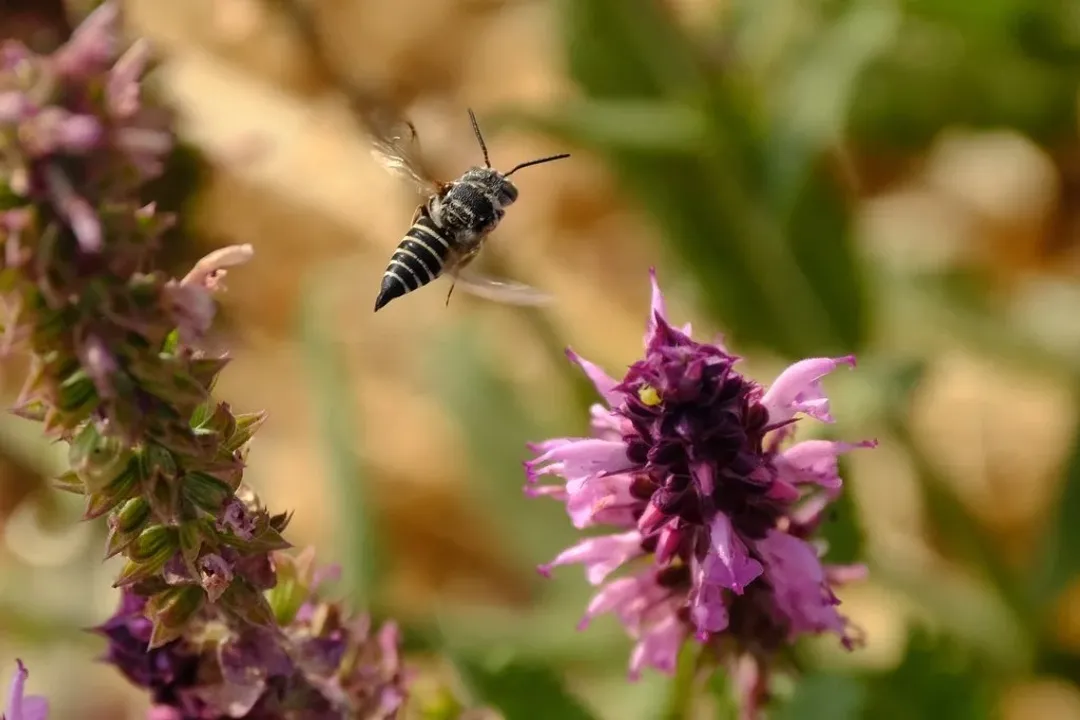
Cuckoo bumblebees represent a fascinating deviation from the typical social life of their more commonly known relatives. Unlike the familiar bumblebees that spend their lives diligently foraging for pollen and nectar to provision their nests, cuckoo bumblebee females skip the hard work entirely, instead adopting a life of what amounts to organized theft. [2][7] They are brood parasites, a strategy shared with species ranging from certain birds to wasps. [2][7] This means their entire reproductive success hinges on successfully hijacking the domestic arrangements of another species. [4]
# Parasitic Niche
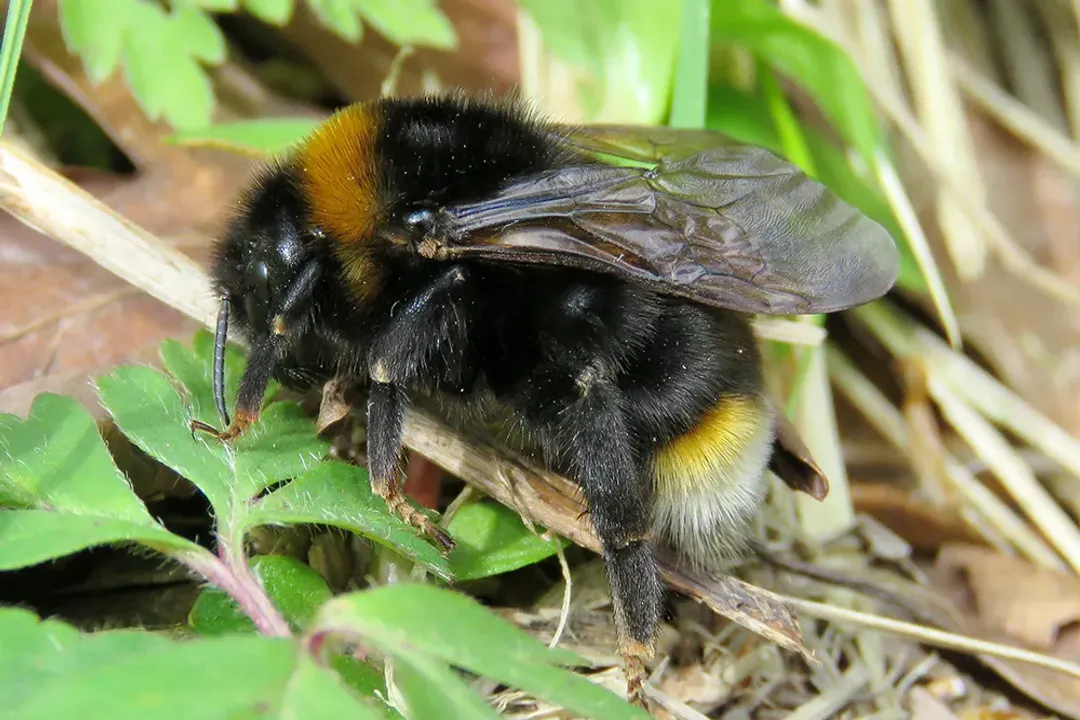
The defining characteristic of a cuckoo bumblebee is its complete lack of social behavior or the ability to provision its own young. [3][7] They do not collect pollen or nectar to feed larvae, nor do they create the waxen pots or cells necessary for larval development that true social bumblebees construct. [6] Because of this, they are often solitary insects, though their survival is inextricably linked to another colony. [7] They belong to the subfamily Apinae and are generally classified as cleptoparasites, literally meaning "theft parasite". [2]
For a cuckoo bumblebee queen, the critical event of the year is finding a suitable host colony to invade. [1][4] The host species are typically other, non-parasitic bumblebees that are actively building nests and raising young. [7] The success of the cuckoo is entirely dependent on the diligence of the host workers who will unknowingly take on the role of surrogate parents. [3]
# Invasion Tactics
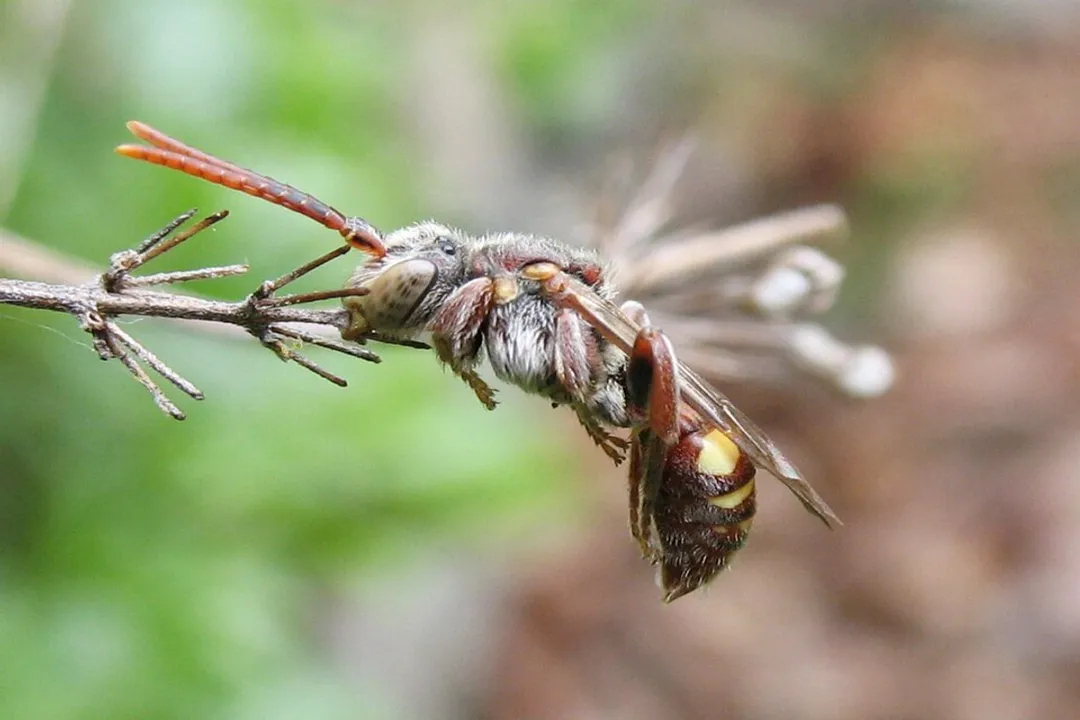
The process of taking over a host nest is far from subtle; it is often described as a confrontation requiring significant physical fortitude. [4] Cuckoo queens are generally larger and more robust than the females of the species they target. [1][7] This increased size and physical strength are necessary adaptations for the inevitable fight that ensues upon discovery of the host colony. [4]
When a cuckoo queen locates an active host nest, she must first gain entry. Often, the cuckoo will spend time near the entrance, likely gathering the specific scent profile of the host colony. [1][6] Once inside, the cuckoo queen locates the host queen and initiates an aggressive attack. [1][7] This confrontation can result in the host queen being paralyzed or even killed by the intruder. [4][7] This removal of the primary matriarch clears the way for the parasite to take control of the colony’s resources and workforce. [1]
After securing the nest, the cuckoo queen seeks out the host's developing brood cells. [1] She does not build her own cells; instead, she deposits her eggs directly into the cells prepared by the host workers, often alongside the host’s own developing larva or egg. [7] The host workers, now under the subtle control or influence of the new queen, will proceed to feed and care for the parasitic larvae as if they were their own. [3]
# Physical Markers
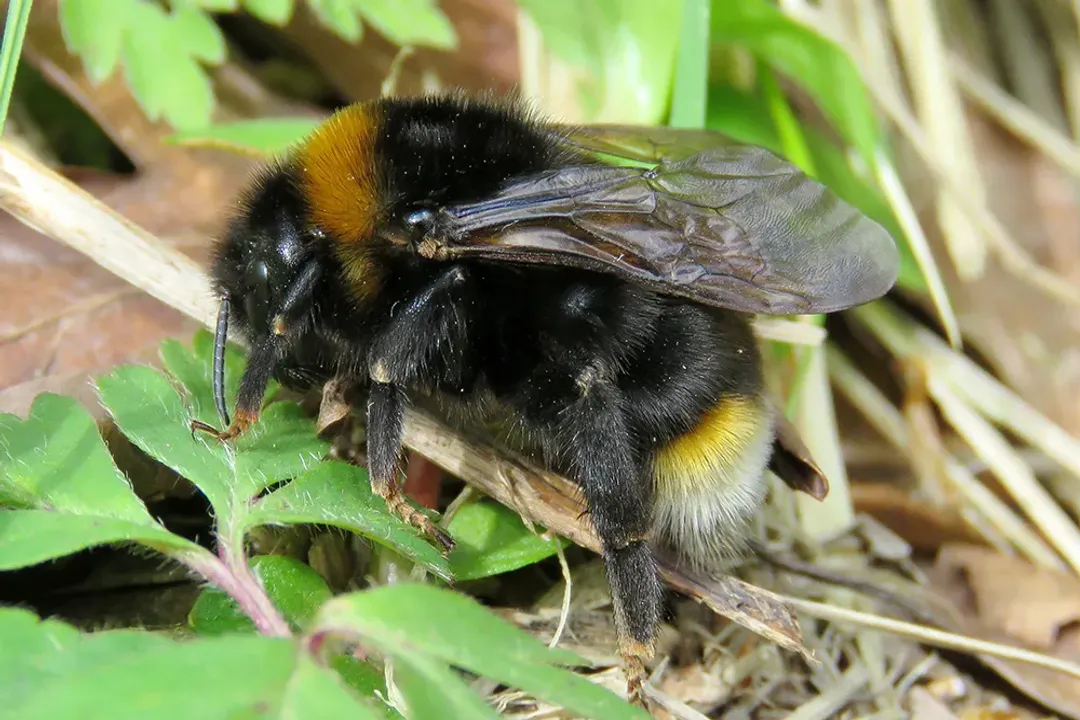
Observing a cuckoo bumblebee in the field might lead to confusion with a standard bumblebee, as they often closely resemble their hosts, which is a form of mimicry that aids in avoiding detection or during the initial invasion. [7] However, a key physical difference lies in the structure of their hind legs. [1]
Social bumblebees possess specialized structures called corbiculae, or pollen baskets, on their hind tibiae, which are used to transport large loads of pollen back to the nest for feeding the developing brood. [1][6] Since cuckoo bumblebees do not forage for pollen, they lack these distinct pollen baskets. [1][6] This anatomical absence is a telltale sign distinguishing them from their hard-working counterparts. [6] Furthermore, because they frequently engage in brutal nest takeovers, cuckoo bumblebees often possess a thicker, tougher outer cuticle, providing better protection against the stings of the defending host workers. [4]
A comparison of the worker caste versus the parasitic queen highlights the difference in lifestyle:
| Feature | Social Bumblebee Worker | Cuckoo Bumblebee Queen |
|---|---|---|
| Nest Construction | Builds waxen cells | Does not build cells |
| Foraging | Collects pollen/nectar | Does not forage for pollen |
| Hind Legs | Possesses corbiculae (pollen baskets) | Lacks corbiculae |
| Colony Role | Raises all subsequent generations | Lays eggs in host cells |
| Cuticle Toughness | Standard thickness | Often thicker/harder for defense |
| [1][6][7] |
If a local bee enthusiast is documenting species in their area, noting the absence of pollen on the hind legs of a large, late-season bumblebee queen is a strong indicator that they might have found a rare cuckoo species, such as Bombus ashtoni or Bombus citrinus, depending on the region. [7]
# Temporal Differences
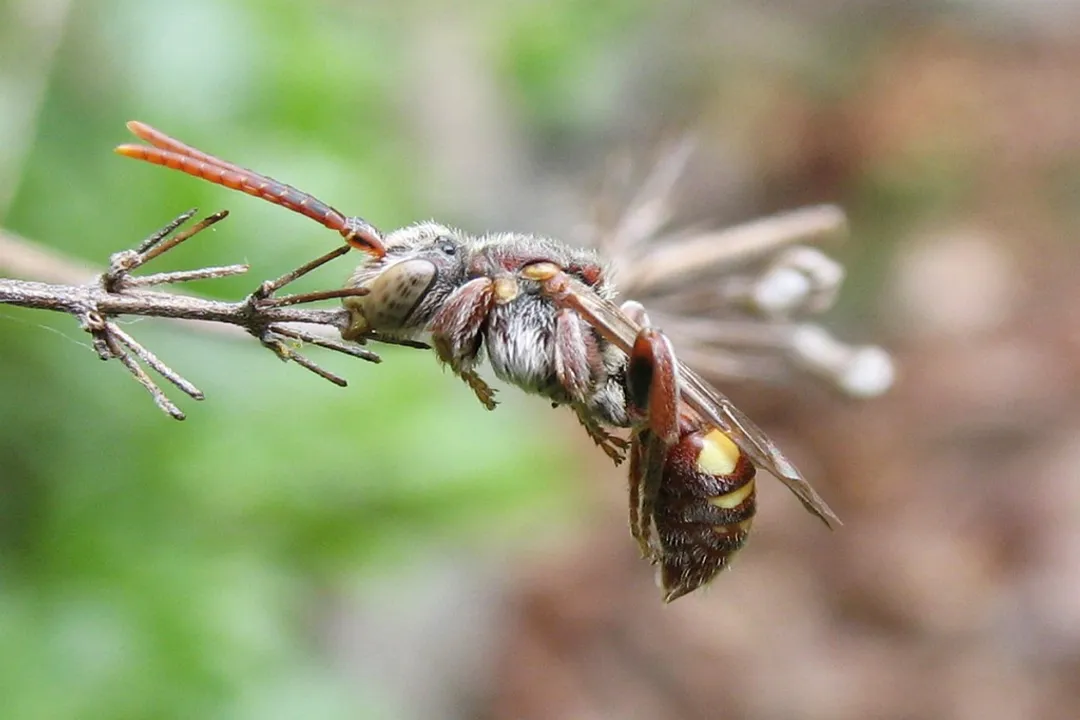
The timing of emergence is another crucial element separating the parasitic life cycle from the social one. [4] Social bumblebee colonies follow a set schedule: the queen emerges in the spring, establishes the nest, and raises the first batch of sterile female workers, who then take over foraging duties as the season progresses towards late summer or early fall when new reproductive queens and males are produced. [4]
Cuckoo bumblebee queens, conversely, typically emerge later in the season than their host queens. [4][6] This later emergence is strategic. They need the host colony to be well-established and busy raising a substantial worker force before they arrive to usurp the leadership and resources. [6] The host workers are needed to feed the parasite's larvae throughout the latter half of the summer. [3]
This timing presents an interesting ecological pressure point. If a cuckoo queen manages to successfully parasitize a colony, her offspring will mature into the new generation of overwintering queens and males for the parasite species. [7] If the season ends abruptly, perhaps due to an unseasonable cold snap, the host workers might stop feeding the developing larvae prematurely, leading to the failure of the parasitic brood for that season. Thus, the success of the cuckoo is tied not only to her strength but also to the stability and length of the local growing season. [4]
# Ecosystem Interactions
While the term "parasite" often carries a negative connotation, the role of cuckoo bumblebees in a complex ecosystem is more nuanced than simple destruction. [1] By attacking established colonies, cuckoo bumblebees act as a natural check on the population density of their specific host species. [1] In environments where one particular host species might otherwise become overly dominant or numerous, the presence of specialized cuckoo species helps maintain biodiversity by regulating that population. [1]
The resources they do not use—pollen and nectar collected by the host workers—are still utilized by the host larvae and the cuckoo larvae together, though the host larvae ultimately lose out on the food supply. [3] Think of it this way: the host workers are forced to dedicate all their energy to feeding the parasitic young rather than perpetuating their own genetics, a dramatic redirection of local ecosystem energy. [1] For researchers studying pollinator health, tracking the prevalence of cuckoo bees can sometimes offer indirect insights into the overall health and density of the host populations in a given area. [1] Their presence is a sign of a complicated, functioning relationship between different bee species within that habitat. [1]
Related Questions
#Citations
Cuckoo Bumble Bees: Important Species for Diverse Ecosystems
Understanding cuckoo bumble bees: terrors or treasures?
The Unique Lives of Cuckoo Bees - Sageland Collaborative
Cuckoo Bumble Bees: What We Can Learn From Their Cheating ...
Female cuckoo bumble bee behavior and characteristics - Facebook
Cuckoo Bees - Wild About Utah
Cuckoo bee - Wikipedia
TIL that Cuckoo bumblebees are brood parasitic and do not ... - Reddit
Let's Look At The Secret Life Of Cuckoo Bumblebees - Seedball