Vicuña Scientific Classification
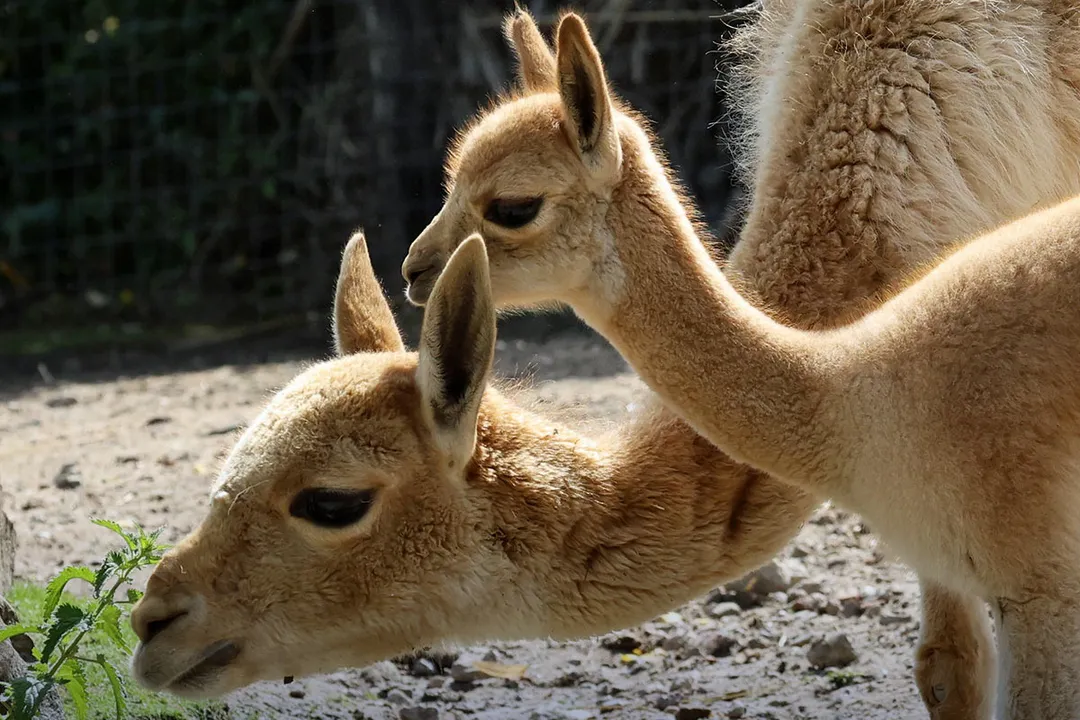
The placement of any animal within the grand tree of life is a precise science, a way of understanding its evolutionary history and its closest relatives. For the Vicuña, Vicugna vicugna, this classification system anchors it firmly within the animal kingdom, tracing its lineage from the broadest categories down to its unique species designation. [1][2] Understanding this hierarchy reveals deep connections to other familiar, and sometimes surprising, creatures sharing the high Andean plains and beyond. [4][6]
# Kingdom Placement
At the most general level, the Vicuña belongs to the Kingdom Animalia. [1][2][3][6] This designation immediately separates it from plants, fungi, and bacteria, confirming it as a multicellular, eukaryotic organism that must consume other organisms for energy—a heterotroph. [1] Within Animalia, it falls under the Phylum Chordata. [1][3][6] This phylum is characterized by having, at some stage in their development, a notochord, a dorsal nerve cord, pharyngeal slits, and a post-anal tail. [1] For a modern mammal like the Vicuña, these structures are modified, but the foundational blueprint of the Chordate body plan remains. [1]
# Mammal Grouping
Moving down the line, the Vicuña is classified into the Class Mammalia. [1][3][6] This group is defined by several key characteristics that the Vicuña exhibits: possessing hair or fur, being warm-blooded (endothermic), and, most famously, nursing their young with milk produced by mammary glands. [1][2][3] The presence of specialized teeth and a single bone in the lower jaw are also mammalian traits. [1] This class houses a wide array of creatures, from whales to humans, but the Vicuña shares traits specific to its subclass, the Theria, being a viviparous animal that gives birth to live young. [2]

# Order Assignment
The Order is where things become more specific, linking the Vicuña to its functional body type. Traditionally, the Vicuña has been placed in the Order Artiodactyla, the even-toed ungulates. [1][6] This group includes animals that bear their weight primarily on two toes—the third and fourth digits—such as deer, cattle, and pigs. [6] However, modern molecular and genetic analyses have often refined this classification, leading many taxonomists to adopt the Order Cetartiodactyla, which recognizes the close evolutionary relationship between the traditional Artiodactyls and the Cetaceans (whales and dolphins). [3] While the Vicuña clearly walks on two toes, recognizing this broader grouping acknowledges a shared ancestry that diverged long ago from other hoofed mammals. [3]
# Camel Family Ties
The next step down reveals the immediate family: Camelidae. [1][2][3][6] This places the Vicuña in the company of its larger South American cousins, the llama (Lama glama), alpaca (Vicugna pacos), and guanaco (Lama guanicoe), as well as the Old World camels (Camelus species). [2][4][6] Members of the Camelidae family share several notable features, including their unique digestive system involving three-chambered stomachs, which is an adaptation for efficient nutrient extraction from fibrous forage. [6] They are also known for their distinctive, padded feet rather than true hooves, aiding traction on varied terrain. [6]
It is interesting to note the subtle yet significant differences within the South American camelids (SACs). While llamas and guanacos are generally grouped under the genus Lama, the Vicuña and the domesticated Alpaca belong to the genus Vicugna. [2][6] This genus division reflects a distinct evolutionary path, particularly concerning the genetic makeup and the very fine nature of their prized fiber. [2][5]
# Genus Identity
The Genus level highlights the Vicuña’s closest genetic kin. The Vicuña resides in the Genus Vicugna. [1][2][6] This genus currently contains only one living species, V. vicugna, although the status of the Alpaca (Vicugna pacos) has been historically debated and is now widely accepted as being descended from the Vicuña, solidifying the Vicugna genus. [2][6] This grouping distinguishes them from the Lama genus, even though all four SACs can hybridize under certain conditions. [6]
The difference between genera often reflects significant divergence in anatomy or genetics. In the case of Vicugna versus Lama, the distinction is rooted in chromosome counts and the genetic evidence pointing to the Vicuña being the wild ancestor of the Alpaca, while the Guanaco is the wild ancestor of the Llama. [2][6] This realization about ancestry refines our understanding of domestication patterns in the Andes. [2]
# Species Definition
The final designation in the formal classification is the species name: Vicugna vicugna. [1][2][3][5][6] This binomial nomenclature, established by Molina in 1782, signifies a distinct biological unit. [6] The species name vicugna is derived from the local indigenous name for the animal. [6]
Key identifying features that separate V. vicugna from all other animals include:
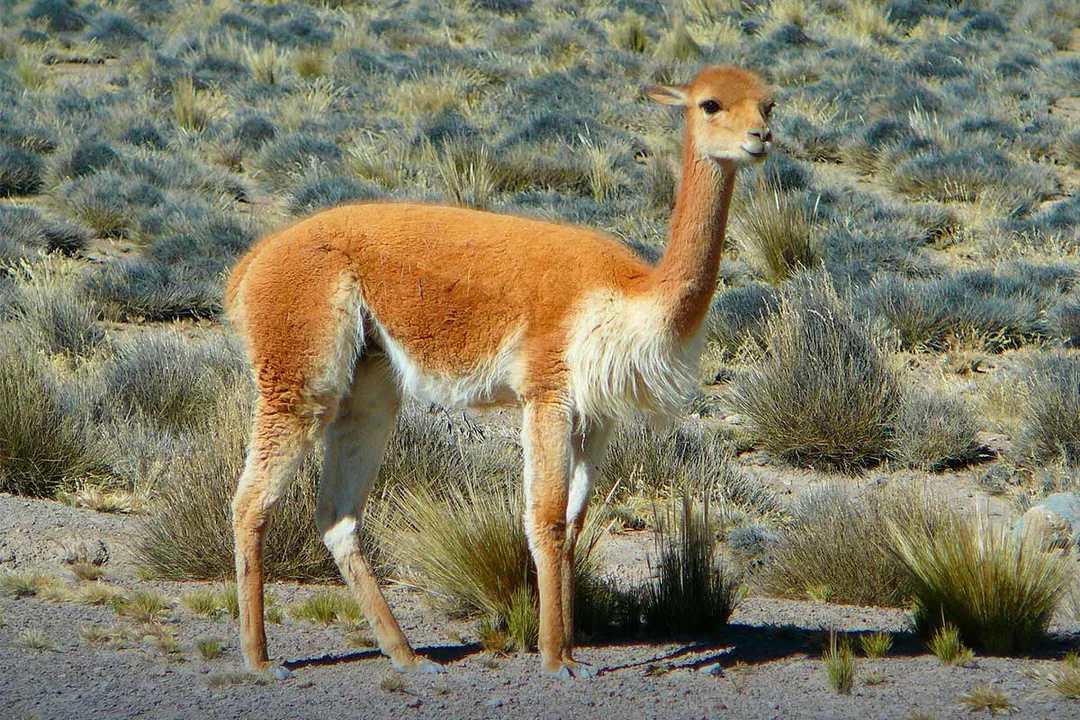
- Size and Build: The Vicuña is the smallest of the South American camelids, possessing a slender, graceful build suited for speed in high-altitude environments. [4][5]
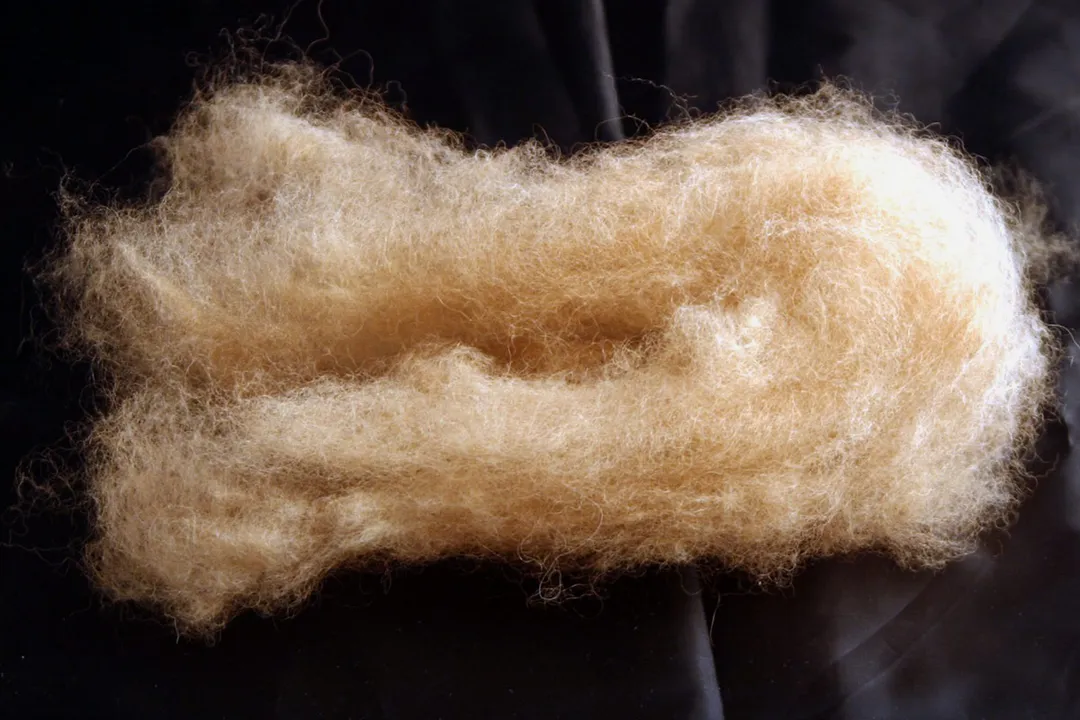
- Fiber: It produces the finest animal fiber in the world, characterized by its exceptional softness and warmth, which is a key biological trait influencing its historical and modern status. [5][8]
- Dentition: Vicuñas possess continuously growing lower incisor teeth, a trait shared with rodents, which is quite unique among ungulates and allows them to graze very closely to the ground without excessive tooth wear. [6] This dental adaptation speaks directly to its niche as a specialized high-altitude grazer. [6]
If we were to visualize the complete scientific listing, it presents a clear, structured view:
| Taxonomic Rank | Classification | Key Trait Implication |
|---|---|---|
| Kingdom | Animalia | Heterotrophic life |
| Phylum | Chordata | Possesses a notochord in early life |
| Class | Mammalia | Hair, mammary glands, warm-blooded |
| Order | Cetartiodactyla | Even-toed ungulate lineage |
| Family | Camelidae | Three-chambered stomach, padded feet |
| Genus | Vicugna | Closely related to the Alpaca lineage |
| Species | V. vicugna | Smallest SAC, continuously growing incisors |
| [1][2][3][6] |
# Evolutionary Context Insights
Examining the placement of Vicugna vicugna within Cetartiodactyla offers a perspective on evolutionary divergence. While the Vicuña’s lifestyle is intrinsically tied to the harsh, dry grasslands (the puna) of the Andes, sometimes exceeding 5,000 meters in elevation, [4][8] its closest relatives on the other side of the evolutionary split are aquatic mammals. [3] For general readers accustomed to thinking of llamas and camels as land-bound grazers, realizing that their shared ancestry traces back to the same root group as whales provides a fascinating glimpse into the sheer adaptability of the mammalian line. [3] This deep connection highlights how environmental pressures can drive species down vastly different paths from a common ancestor.
Another point of deep scientific interest stems from its conservation status, which directly intersects with its classification. The Vicuña was once hunted almost to extinction due to its valuable fiber, leading to its listing under CITES to regulate international trade. [9] Its recovery is a major success story, but managing wild versus vicuña harvested from managed wild populations requires careful genetic monitoring to ensure that conservation efforts, which often involve population transfers between countries, do not inadvertently introduce outbreeding depression or dilute the unique genetic markers that define the species V. vicugna separate from the Alpaca's genetic contribution. [2][9] Effective management, therefore, relies not just on general ecological knowledge but on maintaining the purity of the species classification in practice.
# Relationship Distinctions
A practical consideration for anyone interested in South American wildlife or fiber production lies in distinguishing the Vicuña from the Guanaco and the domesticated forms. The four South American camelids are often confused. [4] While both Vicuñas and Guanacos are wild, they belong to different genera (Vicugna and Lama, respectively). [6] The Vicuña is significantly smaller and generally favored for its fiber, whereas the Guanaco is larger and hardier. [5][4]
Furthermore, the distinction between the wild V. vicugna and the domesticated V. pacos (Alpaca) is critical. While the Alpaca was domesticated from the Vicuña thousands of years ago, they are now reproductively distinct populations, though they can still produce fertile hybrids, a phenomenon that complicates pure genetic conservation efforts. [2][6] This highlights that classification is a snapshot of current reproductive isolation, even when historical cross-breeding is possible.
# Cultural Significance Context
While not strictly part of the Linnaean hierarchy, understanding the Vicuña’s place in the Andean worldview reinforces its scientific importance. For the Inca civilization, the Vicuña was considered sacred, and its wool was reserved exclusively for royalty. [8] This cultural classification underscores the immense value placed on this species long before modern biology formalized its scientific name. [8] This historical context provides a human dimension to the species' survival, as conservation efforts today echo ancient reverence for this unique inhabitant of the high Andes. [8] The very name Vicugna vicugna is a link between the modern biological structure and the ancient reverence it commanded.
# Distribution and Habitat
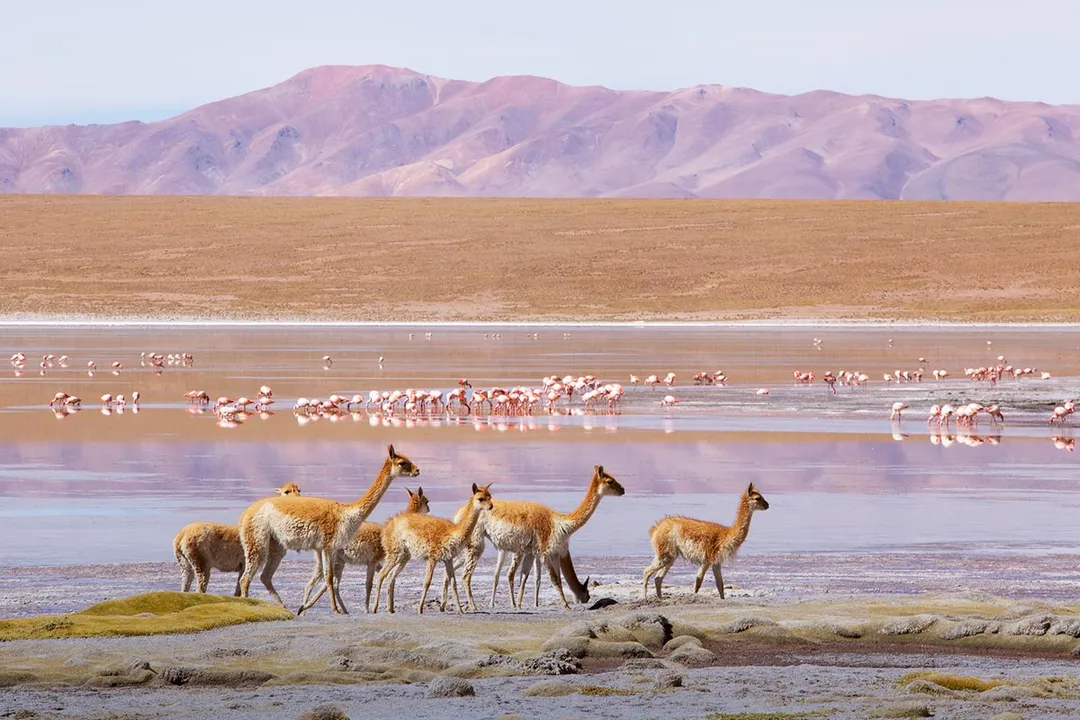
The scientific identity is incomplete without noting where V. vicugna thrives. Vicuñas are found in the high alpine areas of the Andes, specifically across parts of Peru, Bolivia, Argentina, and Chile. [4][5] They are adapted to survive in sparse, high-altitude grasslands, where temperatures fluctuate wildly between day and night. [4] This extreme habitat dictated the evolution of their traits, such as their incredibly fine coat for insulation and their specialized teeth for low-growing vegetation. [6] This specific ecological niche helps define what V. vicugna is scientifically, separating it from the more generalized grazing patterns of the Guanaco or the farm management of the Llama and Alpaca. [4]
Related Questions
#Citations
Vicuña - Simple English Wikipedia, the free encyclopedia
Vicugna - Animal Diversity Web
Taxonomy browser Taxonomy Browser (Vicugna vicugna) - NCBI
Vicuña - Wild Expedition
vicuña - Students | Britannica Kids | Homework Help
Vicuña - The Ultimate Ungulate
Vicuna | Animal Kingdom Wiki - Fandom
Vicuna: A Sacred Animal of the Peruvian Andes - TreXperience
Vicugna - CITES