Where does archaeological and genetic evidence place the initial domestication of Zebu cattle?
Answer
The Indian subcontinent
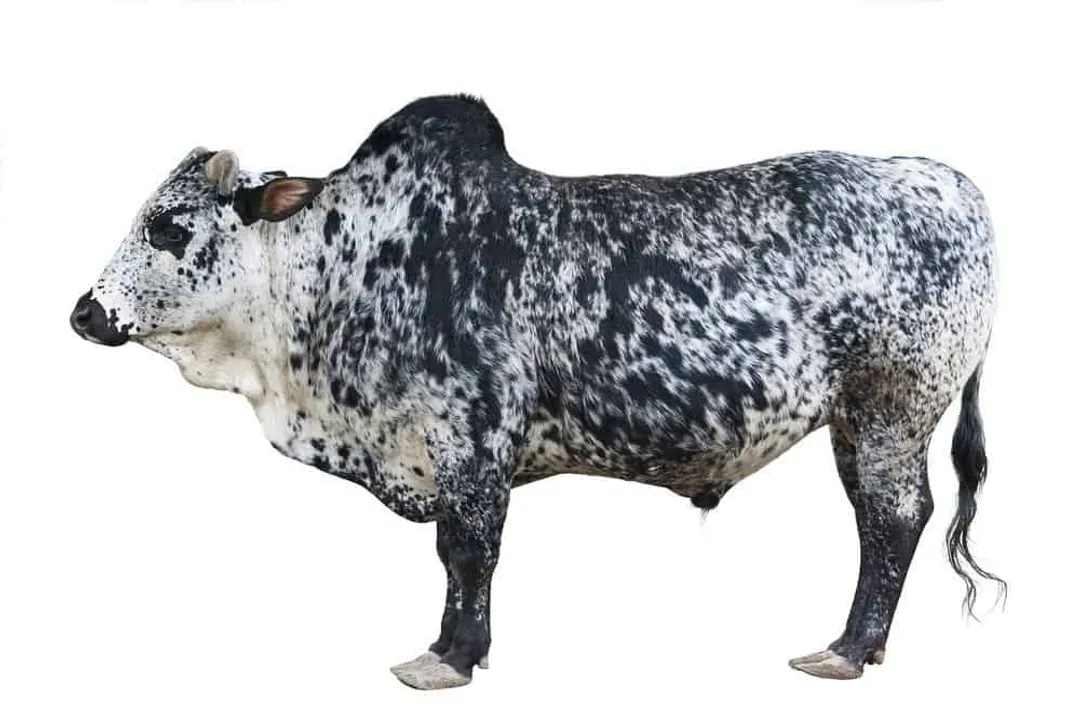
The deep roots of Zebu cattle domestication are firmly established in the Indian subcontinent. Archaeological findings combined with genetic evidence strongly suggest that these animals were first brought under systematic human management roughly eight to ten thousand years ago. This timeline positions them as one of the earliest successful domestications involving the wild aurochs, scientifically noted as *Bos primigenius*. Following this foundational event, the Zebus began their expansive, slow migration out of South Asia, eventually reaching Africa and later other parts of the world, carrying with them the adaptations suited for challenging tropical environments.
Related Questions
What physiological trait of Zebus helps with cooling efficiency compared to Bos taurus regarding surface area?According to genetic data, what is the approximate temporal gap between the natural split of Bos taurus and Bos indicus lineages?What is the primary contribution associated with Zebu Dairy Types in the utility classification table?What specific biological mechanism related to skin aids Zebu heat tolerance compared to Bos taurus?What defining physical marker, besides the hump, is characteristic of Zebu cattle?What major genetic event characterized the entry of Zebu cattle into Africa?Where does archaeological and genetic evidence place the initial domestication of Zebu cattle?In tropical cattle management, what is the central tension described when comparing Zebu survivability versus specialized Bos taurus output?What is the primary structural composition of the Zebu's distinctive hump located over the shoulders?Which modern breed, famous in the United States beef industry, is derived from imported Zebu stock from India?