Zebu Evolution
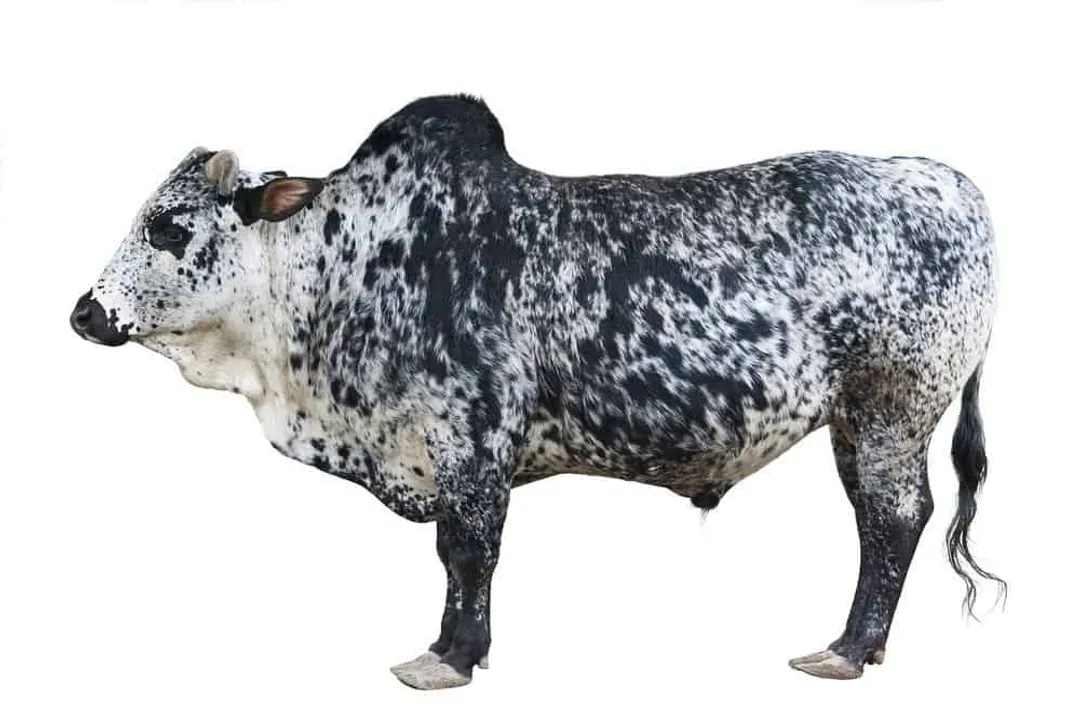
The distinctive silhouette of a Zebu, often recognized by the prominent fatty hump over its shoulders, sets it apart immediately from its European cousins. These cattle, scientifically classified as Bos taurus indicus, are not merely a breed variant; they represent a distinct evolutionary lineage shaped by the intense environmental pressures of tropical climates. [1][2] Unlike the Bos taurus found across much of Europe and North America, Zebus possess a suite of physiological characteristics that grant them superior resilience where heat, humidity, and parasite loads are significant challenges. [1][5][7] Key physical markers beyond the hump include a larger dewlap—the loose skin flap hanging from the neck—and characteristic droopy ears. [1][10] While their primary utility spans milk production, meat, and draft power, their evolutionary story is perhaps their most defining feature. [1][2][10]
# Hump Anatomy
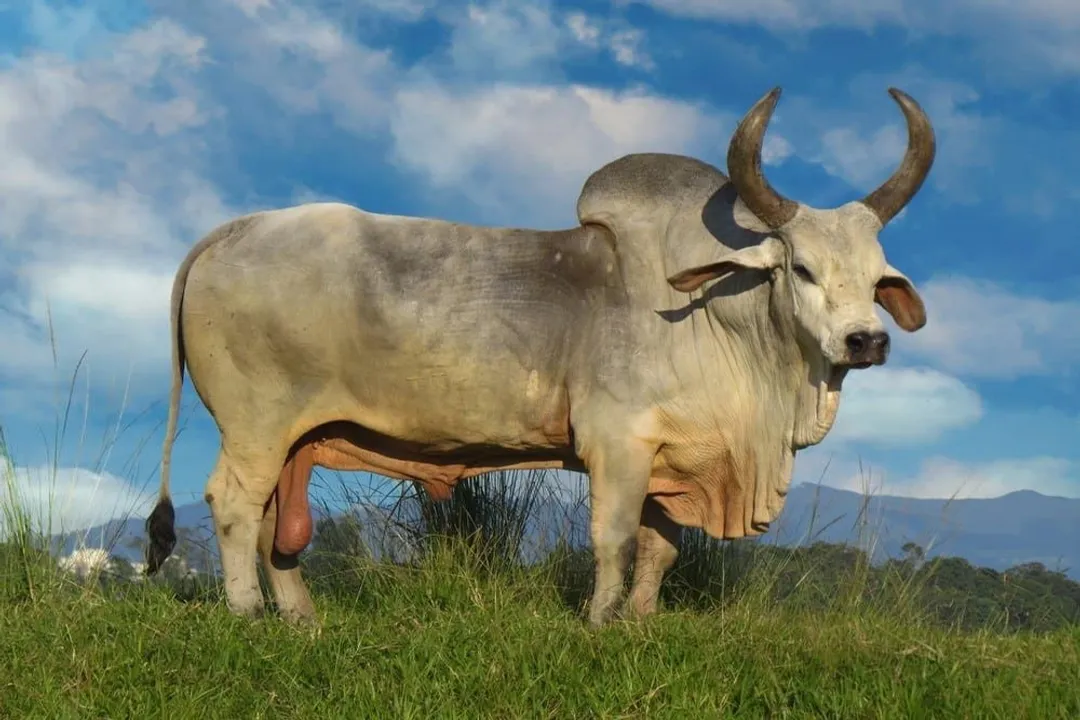
The most visible signature of the Zebu is the hump, a structure composed primarily of fatty and connective tissue situated above the shoulders. [1][10] This feature plays a significant role in their metabolic flexibility, providing a reserve of nutrients and helping with heat dissipation, which is critical for survival in hotter regions. [4] The general body structure, including the prominent dewlap, contributes to a greater surface area relative to their body mass compared to Bos taurus, assisting in cooling efficiency. [4]
# Deep Roots
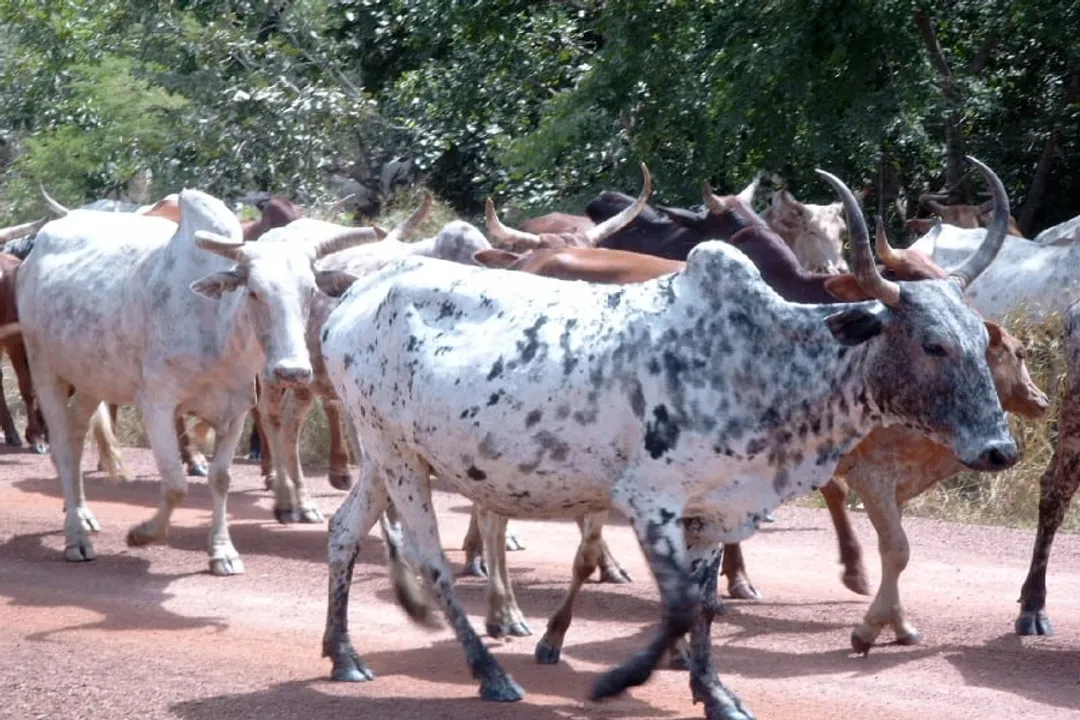
The domestication timeline for Zebu cattle places their origin firmly in the Indian subcontinent. [1] Archaeological and genetic evidence suggests that these animals were first brought under human management approximately eight to ten thousand years ago, making them one of the earliest successful domestications of the wild aurochs (Bos primigenius). [1] Following this initial domestication event, Zebus began a slow but expansive migration out of South Asia. [1]
Considering the deep genetic split between the Bos taurus and Bos indicus lineages—a divergence that molecular data places around 200,000 years ago—it is fascinating to note the considerable temporal gap between this natural evolutionary separation and the point when humans intentionally began selecting and breeding them for agriculture. [7] This suggests that for potentially hundreds of thousands of years, the environmental pressures of the ancestral environment were already fine-tuning the Bos indicus type to manage heat and local pathogens, long before they became indispensable draft or dairy animals in early human settlements. [1][4] Their subsequent spread into Africa and later into the Americas, such as regions in Brazil and the southern United States, was facilitated by their inherent hardiness. [1][2][5]

# Climate Genetics
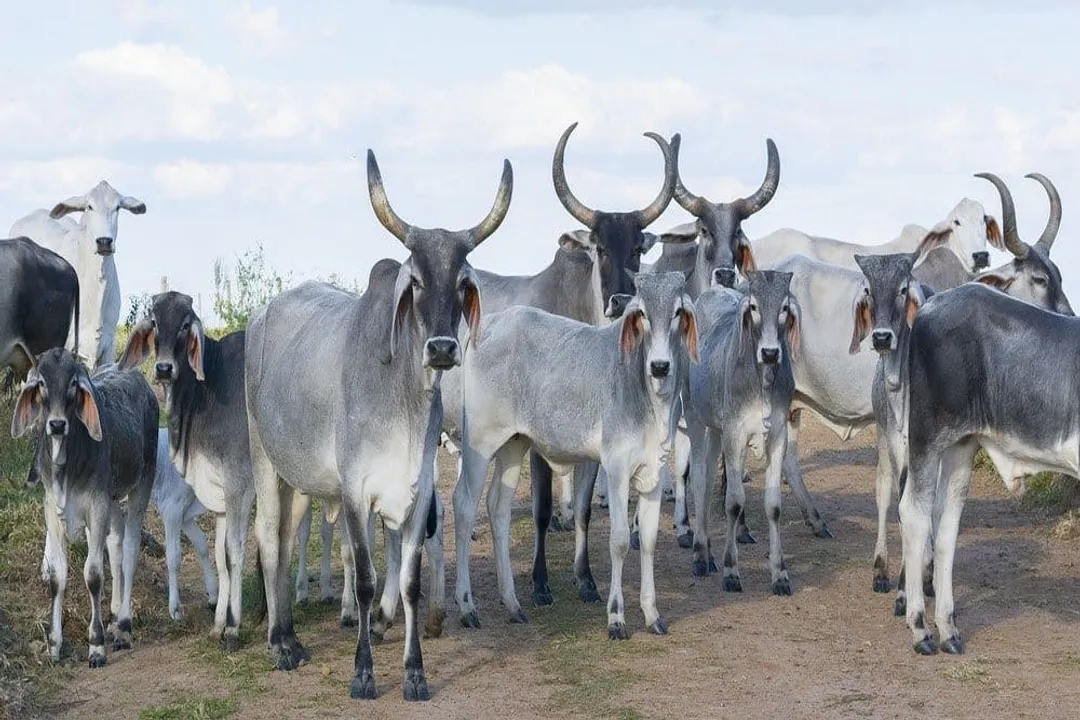
The biological reasons behind Zebu superiority in hot zones are rooted in specific physiological mechanisms that differ from Bos taurus. [4] Heat tolerance is a complex trait, but adaptations in Zebus involve more efficient thermoregulation processes. Their skin exhibits characteristics that aid in cooling, such as different densities and sizes of sweat glands, enabling more effective evaporative cooling when temperatures rise. [4] Furthermore, the characteristics of their hide and hair coat are also adapted to reflect solar radiation and maintain a lower skin temperature. [4]
One compelling aspect of Zebu evolution involves the selection pressures exerted by endemic diseases. In regions where Bos taurus struggled due to susceptibility to local parasites and pathogens, Bos taurus indicus demonstrated greater resistance, making them the default choice for large-scale livestock operations in tropical latitudes. [5][7] This resistance isn't simply about better tolerance; it involves specific immune responses that have been refined over millennia of exposure in their native range. [5]
If a modern rancher in a subtropical zone is deciding on a breeding strategy today, observing the relative success of crosses can inform future planning. For instance, a cross designed purely for maximum milk volume might initially favor Bos taurus genetics, but if parasite load proves disastrous in the first year, the immediate action should be to increase the Bos indicus percentage—even if it means a small decrease in pure yield—simply to ensure survivability through the wet season. This trade-off between high production potential and inherent environmental survivability is the central tension in tropical cattle management, a tension Zebus evolved specifically to manage. [1][5]
# African Exchange
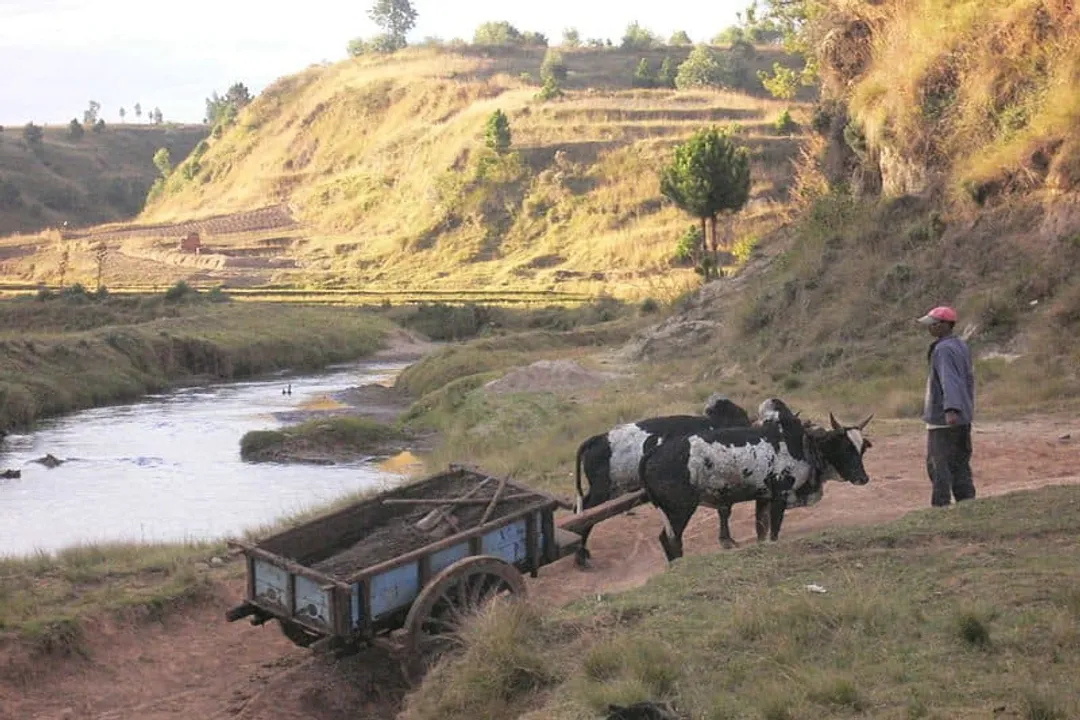
The migratory path of the Zebu into Africa resulted in one of the most significant genetic events in cattle history for that continent: a substantial mixing of Bos taurus and Bos indicus genomes. [5] While Zebus brought their essential tropical adaptations, the interaction with indigenous cattle populations introduced new genetic material, creating diverse hybrid populations across Africa. [5] Research into this evolutionary event suggests that this admixture provided an "evolutionary jolt," allowing African cattle populations to adapt to continent-wide challenges over the last thousand years. [5] The successful introduction of Zebu genetics into Africa helped spread cattle husbandry into challenging environments where European breeds could not thrive alone. [5] This pattern of genetic merging—where the hardiness of one group bolsters the productivity of another—is a recurring theme in the global spread of Zebu cattle. [1]
# Modern Role Types
Today, Zebus are categorized based on their predominant utility, though many serve multiple roles. [1][2]
In terms of utility, classifications often look like this:
| Type | Primary Contribution | Key Trait Association |
|---|---|---|
| Dairy Types | High milk production | Efficient feed conversion in harsh conditions [1] |
| Draft Types | Strength for ploughing/hauling | Muscular build, stamina [2] |
| Meat Types | Carcass quality and growth | Adaptation to poor forage [10] |
Many of the world's most famous breeds, such as the Brahman developed in the United States, are derived from Zebu stock imported primarily from India. [1] These modern breeds are heavily selected for specific commercial traits while retaining the essential heat tolerance derived from their ancient ancestors. [2] The persistence of Zebu cattle in regions like South America, where they form the basis of vast beef industries, underscores their success as highly adapted livestock. [1] Their continued presence in areas experiencing rapid climate change makes their genetic makeup a subject of ongoing scientific interest. [5]
The hardiness inherent in the Zebu is sometimes mistaken for low-production potential when compared to specialized Bos taurus breeds in temperate zones. [1] However, when evaluating livestock, a direct comparison of output without accounting for input costs—like veterinary expenses for disease control or the need for extensive cooling systems—paints an incomplete picture. [4] A Zebu providing a moderate, reliable yield year after year under high thermal stress might represent a far superior economic investment than a high-yielding European breed that frequently succumbs to heat exhaustion or tropical diseases. [5] This practical reality reinforces why the Bos indicus genetic background remains foundational to global tropical agriculture. [1][7]
Related Questions
#Citations
Zebu - Wikipedia
Zebu | The Cattle Site
Zebu cattle are an exclusive legacy of the South Asia neolithic
Origin and domestication of Zebu cattle (Bos indicus) - ScienceDirect
A 1,000-year-old 'Evolutionary Jolt' helped African cattle adapt to the ...
Zebu - Wild Adventures
Zebu Cattle Are an Exclusive Legacy of the South Asia Neolithic
Legacies of domestication, trade and herder mobility shape extant ...
Genomic clues of the evolutionary history of Bos indicus cattle
Zebu - Bos taurus indicus - A-Z Animals