What is the primary structural composition of the Zebu's distinctive hump located over the shoulders?
Answer
Fatty and connective tissue
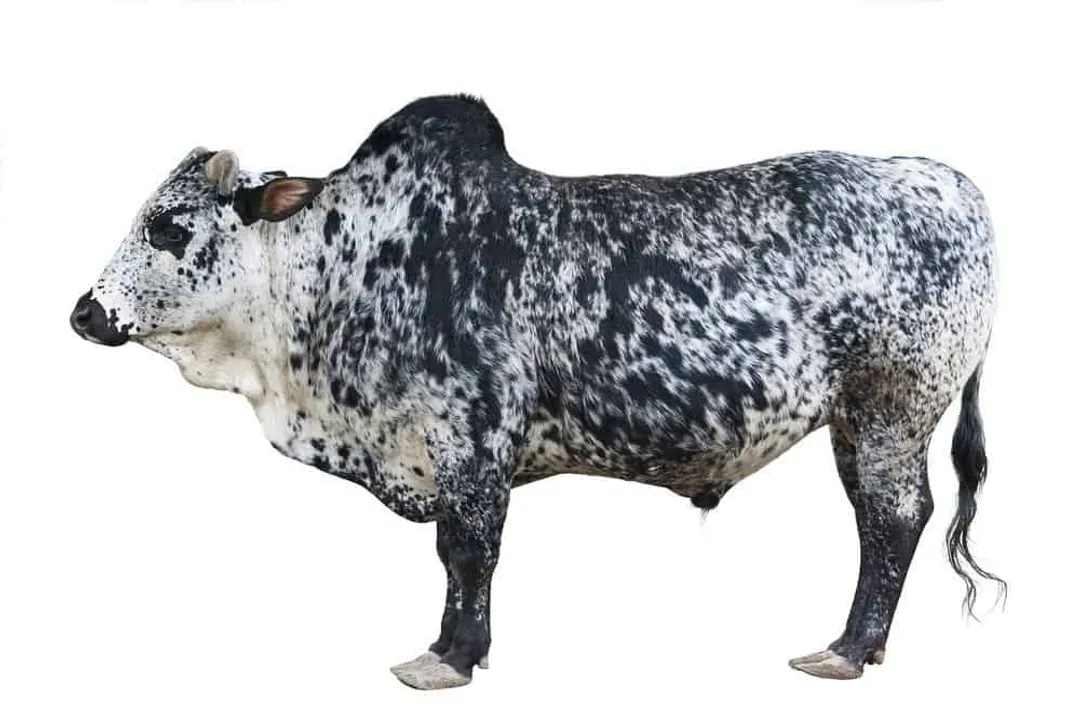
The most visible and defining physical signature of the Zebu is the hump situated prominently above the shoulders. Structurally, this hump is not composed of muscle or bone but is primarily a reserve structure made up of fatty and connective tissue. This fatty reserve is metabolically significant, providing the animal with a crucial store of nutrients that can be mobilized when resources are scarce. Additionally, the structure plays a role in thermoregulation, assisting with heat dissipation—a necessary function for survival in the hot regions where Zebus naturally thrive. This metabolic flexibility, supported by the hump's composition, underscores its importance beyond mere anatomical distinction.
Related Questions
What physiological trait of Zebus helps with cooling efficiency compared to Bos taurus regarding surface area?According to genetic data, what is the approximate temporal gap between the natural split of Bos taurus and Bos indicus lineages?What is the primary contribution associated with Zebu Dairy Types in the utility classification table?What specific biological mechanism related to skin aids Zebu heat tolerance compared to Bos taurus?What defining physical marker, besides the hump, is characteristic of Zebu cattle?What major genetic event characterized the entry of Zebu cattle into Africa?Where does archaeological and genetic evidence place the initial domestication of Zebu cattle?In tropical cattle management, what is the central tension described when comparing Zebu survivability versus specialized Bos taurus output?What is the primary structural composition of the Zebu's distinctive hump located over the shoulders?Which modern breed, famous in the United States beef industry, is derived from imported Zebu stock from India?