Zebra Spitting Cobra Scientific Classification
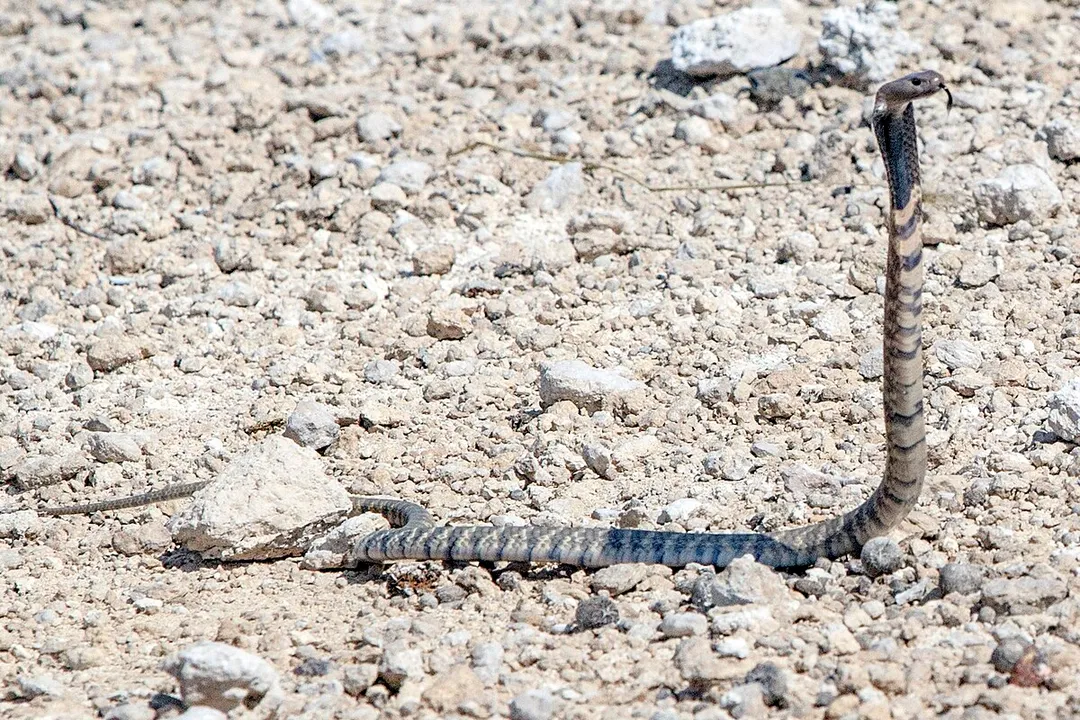
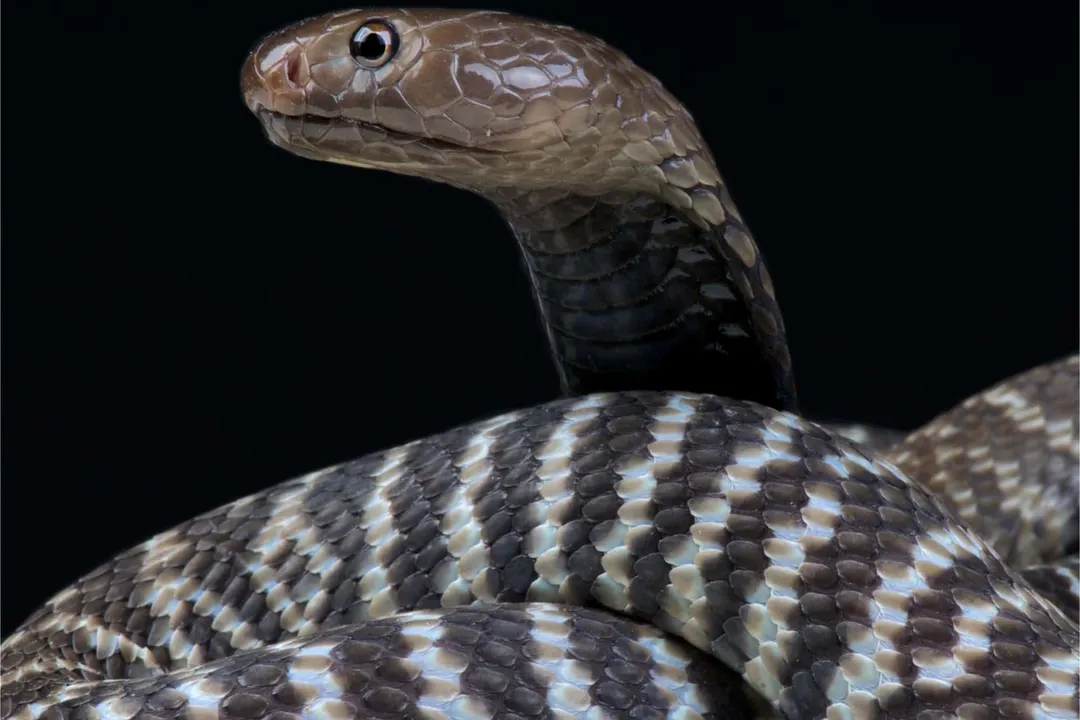
Understanding the scientific classification of the Zebra Spitting Cobra, known formally by its binomial nomenclature Naja nigricincta, requires tracing its lineage through the Linnaean system, placing this distinctive reptile into the broader context of life on Earth. This classification is not merely an exercise in nomenclature; it reveals key aspects of the snake's biology, evolutionary relationships, and importantly, the nature of its venom. The process moves from the most general groupings down to the precise species designation, giving us a high-resolution picture of this African elapid.
# Kingdom Rank
The most inclusive grouping for the Zebra Spitting Cobra is the Kingdom, placing it squarely within Animalia. As an animal, it is a multicellular, eukaryotic organism that obtains food by ingesting other organisms, meaning it is heterotrophic. This initial placement separates it from plants, fungi, and bacteria, setting the stage for its place among the vertebrates.
# Phylum Chordata
Moving down the hierarchy, the snake belongs to the Phylum Chordata. This places it among creatures that possess, at some point in their life cycle, a notochord, a dorsal hollow nerve cord, pharyngeal slits, and a post-anal tail. In the adult snake, while the external features are modified, the internal structure confirms this membership, especially its complex internal anatomy typical of advanced vertebrates.
# Reptile Class
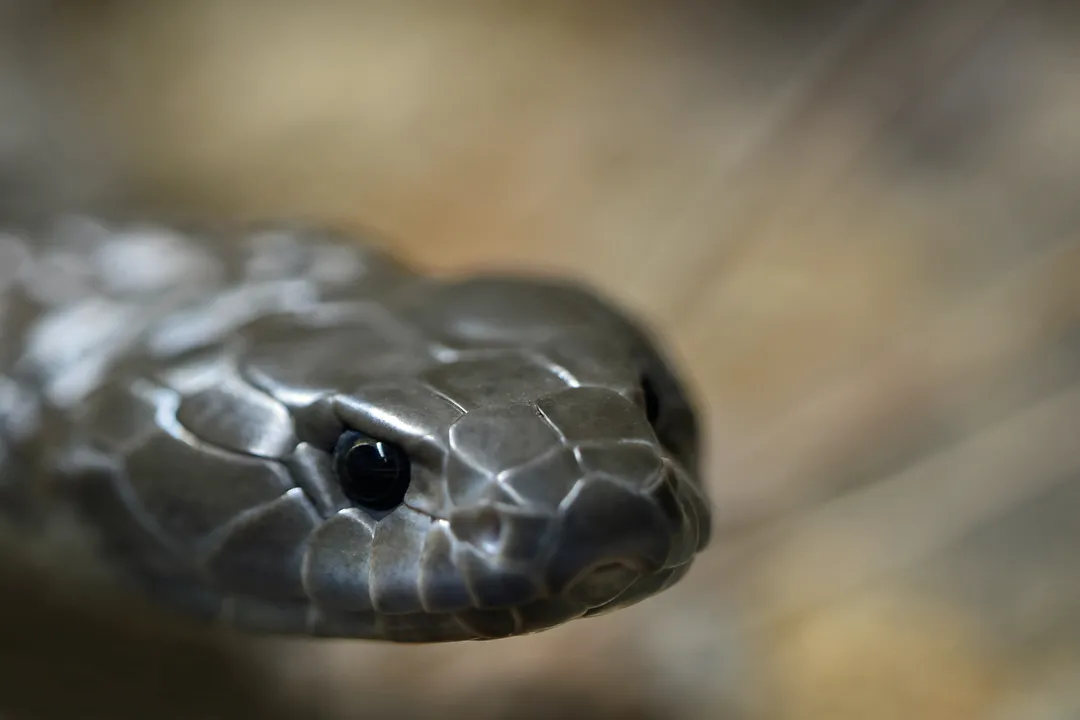
Within Chordata, the Zebra Spitting Cobra is categorized in the Class Reptilia. This class is defined by specific characteristics that link it to its scaly relatives: they are generally tetrapods (though limbs are lost in snakes), breathe air using lungs, and possess scales or scutes that help prevent desiccation. Snakes, being ectothermic (or cold-blooded), rely on external sources to regulate their body temperature, a defining feature of the reptilian class.
# Squamata Placement
The Order Squamata is the largest order of reptiles, encompassing all snakes and lizards. Snakes fall under the suborder Serpentes within Squamata. This order is characterized by the presence of kinetic skulls, allowing for the swallowing of relatively large prey, and the shedding of their outer skin layer (ecdysis). This large grouping signifies the snake’s serpentine body plan and specialized feeding adaptations.
# Elapid Grouping
The Family Elapidae is where the significance of this snake’s venom becomes explicitly clear. Elapids are renowned for possessing specialized venom delivery systems characterized by short, fixed fangs located at the front of the upper jaw. This contrasts sharply with vipers, which possess long, hinged fangs that fold back when the mouth is closed. Within this family, the venom composition is typically potent and neurotoxic, though specific effects can vary greatly between genera. The fact that the Zebra Spitting Cobra belongs here immediately alerts experts to the serious hazard it poses.
# Naja Genus
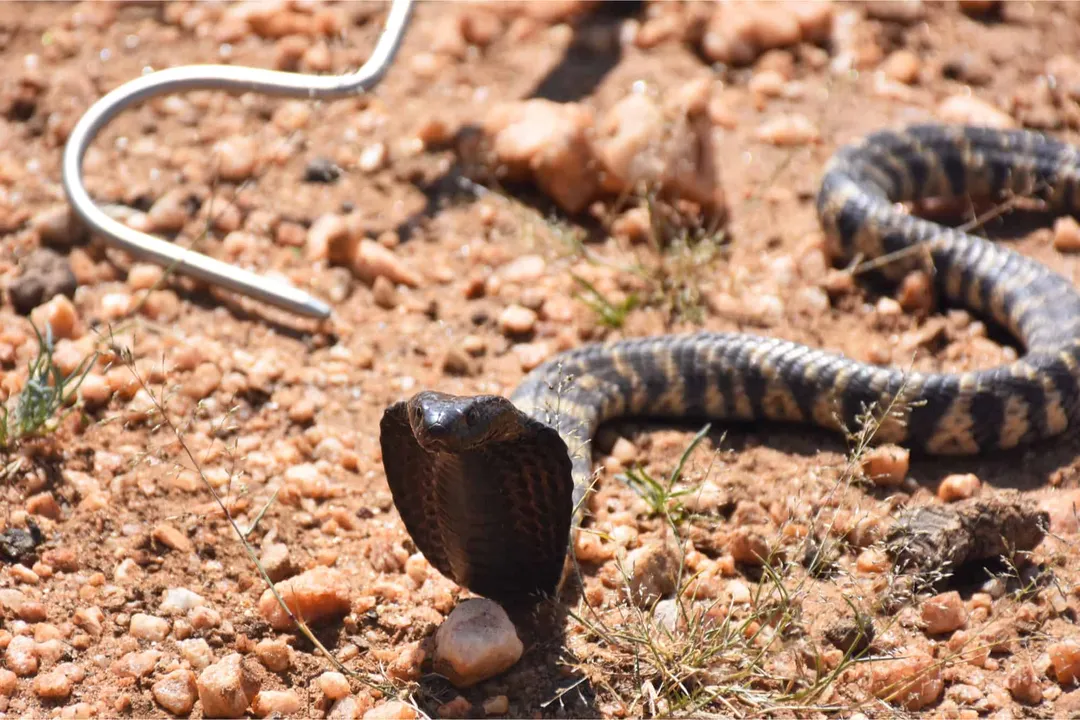
The genus Naja contains the true cobras, known globally for their ability to raise the front part of their body into an upright posture and spread their neck ribs to form a characteristic hood when threatened. The Zebra Spitting Cobra shares this genus with many of Africa's and Asia's most famous venomous snakes. The Naja genus is distinguished from other elapids like mambas or kraits by this specific defensive display and hood structure.
Interestingly, within the African context, Naja nigricincta is sometimes confused with or closely related to other spitting species, such as Naja pallida or Naja nigricollis, based on geographical proximity and shared spitting behavior. However, the scientific classification solidifies N. nigricincta as a distinct evolutionary lineage within this group of hooded, spitting cobras.
# Species Definition
The specific epithet, nigricincta, finalizes the identification, resulting in the binomial name Naja nigricincta. This name itself provides a descriptive clue; "nigri-" relates to black, and "cincta" refers to a band or girdle, reflecting the snake's typical coloration pattern of dark bands. Historically, taxonomy for African snakes has seen movement, and this species has been subject to revision. For instance, it was once sometimes referred to as Naja nigricincta nigricincta or included within other broader species complexes. The current accepted classification recognizes it as a valid, distinct species.
A table summarizing this primary classification can offer a quick reference to its placement:
| Taxonomic Rank | Classification Group | Key Feature Implied |
|---|---|---|
| Kingdom | Animalia | Multicellular, Heterotrophic |
| Phylum | Chordata | Possesses a notochord (ancestral trait) |
| Class | Reptilia | Ectothermic, Scaled skin |
| Order | Squamata | Lizards and Snakes |
| Family | Elapidae | Fixed front fangs, potent venom |
| Genus | Naja | Hood-forming cobras |
| Species | N. nigricincta | Specific physical appearance and distribution |
The exact boundaries of the species are vital for conservation efforts and accurate medical treatment, as venom profiles can differ even between closely related species within the same genus. While the Zebra Spitting Cobra is recognized for its ability to project venom accurately at perceived threats, the precise composition of that spray is tied directly to its specific genetic makeup, codified by the N. nigricincta designation.
# Geographic Context
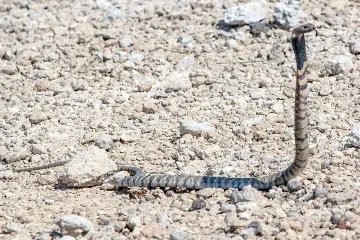
While geography is not a formal step in Linnaean classification, the distribution of a species is intrinsically linked to its taxonomic identity, as speciation often occurs due to geographic isolation. Naja nigricincta is known to be endemic to specific regions of Africa. Understanding its range—from forested areas to savannas—helps field herpetologists confirm identifications and study the ecological pressures that shaped its distinct classification. Furthermore, reports from wildlife groups often highlight that these snakes can be quite active, sometimes moving across open ground, which increases human interaction risk in their native habitats. This behavioral data, while not part of the formal hierarchy, supports the continued recognition of N. nigricincta as a unique entity requiring specific ecological management.
When observing this snake in the field or in controlled environments, recognizing the precise combination of its banding pattern and the ability to actively spit—a trait shared with several other Naja species—is what ultimately confirms the nigricincta identity over, say, the Black-necked Spitting Cobra (Naja nigricollis), illustrating why specific scientific nomenclature is necessary to cut through common descriptive names. The scientific name is the universal key that unlocks all known research pertaining specifically to this one biological entity, regardless of local language or common description.
Related Questions
#Citations
Naja nigricincta - Wikipedia
Zebra Spitting Cobra Animal Facts - Naja nigricincta
Zebra Cobra - African Snakebite Institute
The intergrade between the zebra snake (Naja nigricincta) and the ...
Zebra Spitting Cobra Facts and Pictures - Reptile Fact
Naja nigricincta (Zebra spitting cobra) - BioLib.cz
Zebra Spitting Cobra - Paphos Zoo
Zebra Spitting Cobra | Made in the Wild