What are the facts about the spitting cobra?
The mere mention of a cobra often conjures images of a raised hood and a dangerous strike, but a specific group within this family possesses a truly unique defensive tactic: spitting venom. These snakes, collectively known as spitting cobras, are masters of distance defense, capable of launching a toxic stream directly toward the eyes of a perceived threat. [1][2] While the term "spitting cobra" describes a behavioral trait rather than a single species, it generally refers to members of the genus Naja that have evolved specialized structures in their venom glands and fangs to achieve this accurate projection. [3][1]
# Venom Ejection
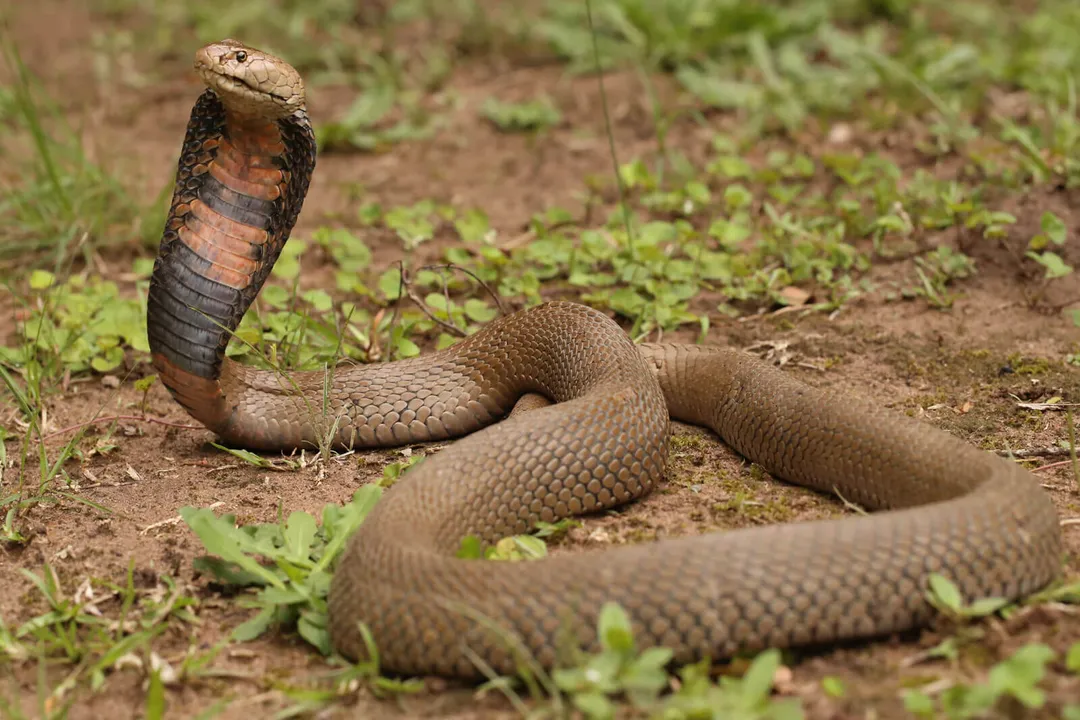
The mechanics behind this impressive ability are a prime example of biological engineering. The venom is not merely dribbled out; it is actively propelled. [5] Spitting cobras possess modified maxillary fangs that feature an opening, or aperture, positioned on the front surface rather than at the very tip, as seen in non-spitting vipers and cobras. [1][3] This aperture acts like the nozzle of a spray gun. [5]
When the snake feels threatened, it contracts the strong muscles surrounding the venom gland. [1] This muscular squeeze forces the liquid venom under high pressure through the small opening in the fang, resulting in a targeted jet of toxin. [1][5] The snake usually raises the front part of its body off the ground and may even adjust its head position slightly to aim the spray. [5] The accuracy is surprisingly high, with some species capable of hitting a target up to 2 to 3 meters (6.5 to 10 feet) away, though others might only manage a shorter range. [1][2] An interesting observation regarding this mechanism is that the cobra often aims for the eyes, suggesting an innate or learned targeting preference for the most vulnerable areas of a potential attacker. [5] This precise deployment of venom for defense suggests an evolutionary trade-off: by effectively deterring a threat non-lethally (via temporary blindness) or at a distance, the snake conserves its more precious, systemically potent venom for a necessary bite, rather than wasting large amounts on a non-fatal defensive action. [3]
# Species Diversity
The spitting capability is found across several species of cobras distributed across Africa and Asia. [1][3] While many cobras found in Asia are Naja species, most of the true spitting cobras are concentrated in Africa. [1]
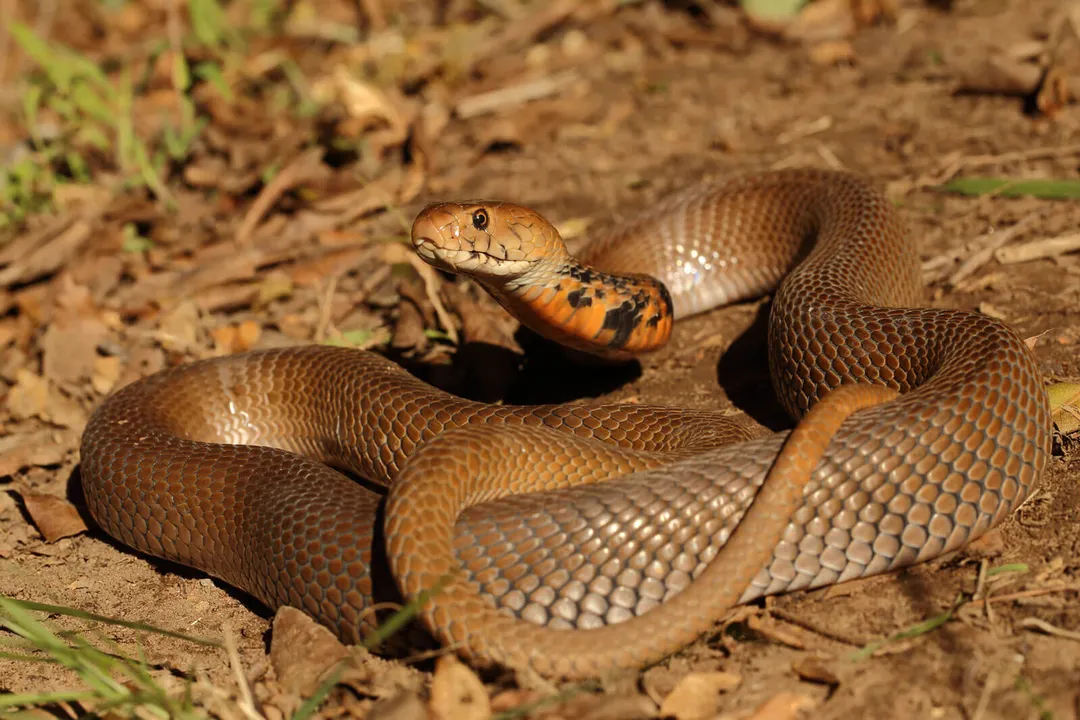
The Mozambique Spitting Cobra (Naja mossambica), for instance, is well-known in Southern Africa. [9] These cobras are often brightly colored, sometimes displaying shades of grey, brown, or olive green on their back, contrasting with pink or reddish colors on their bellies and throats. [9] They typically inhabit diverse environments, including forests, woodlands, and even suburban areas, which increases human interaction. [9]
In East Africa, the Red Spitting Cobra (Naja pallida) is another prominent example. [8] This species is known for its vibrant coloration, often presenting a reddish or pinkish hue, especially on its neck and hood area, though base colors can range from yellow to dark brown. [8] Like many of its relatives, its primary defense is spitting, and its venom contains both cytotoxic and neurotoxic components. [8]
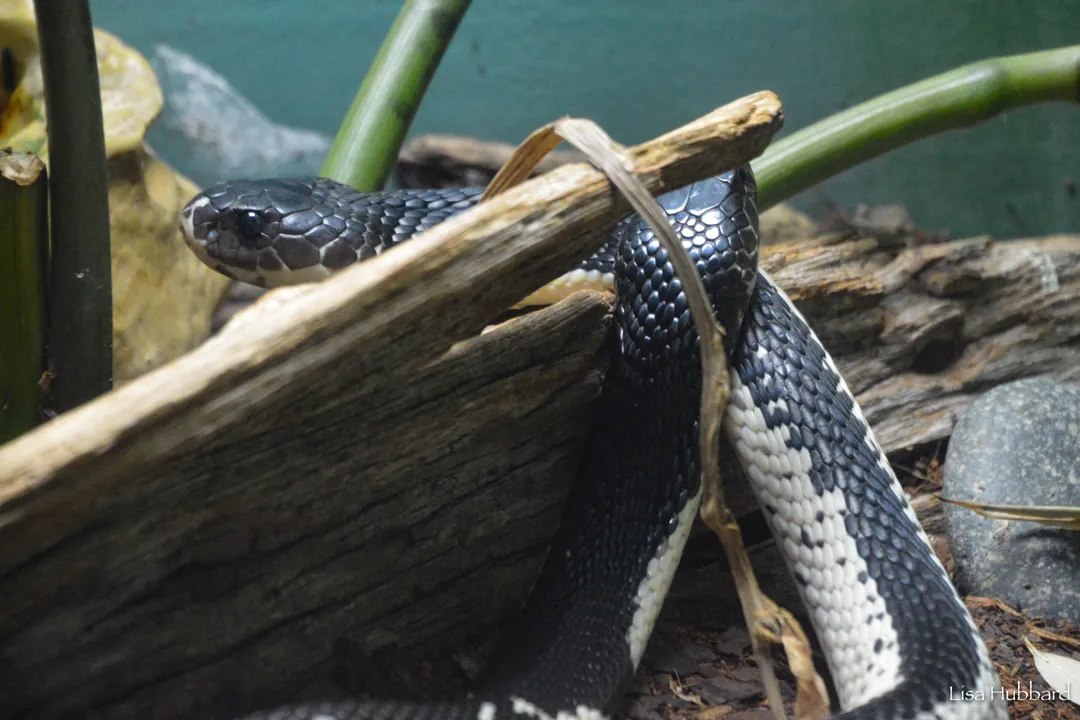
Another recognized species is the Indochinese Spitting Cobra (Naja siamensis), found in Southeast Asia. [6] This species exhibits significant color variation within its population, with some individuals appearing banded and others uniformly dark, reflecting the diversity within the Asian Naja group. [6]
It is important to note that not all cobras spit, and not all African cobras that spit are universally categorized the same way across all scientific texts, but the behavior is a defining characteristic for many Naja species. [3] The ability is strongly linked to the structure of the venom apparatus, meaning it is a trait shared by several lineages within the genus. [1]
# Venom Profile
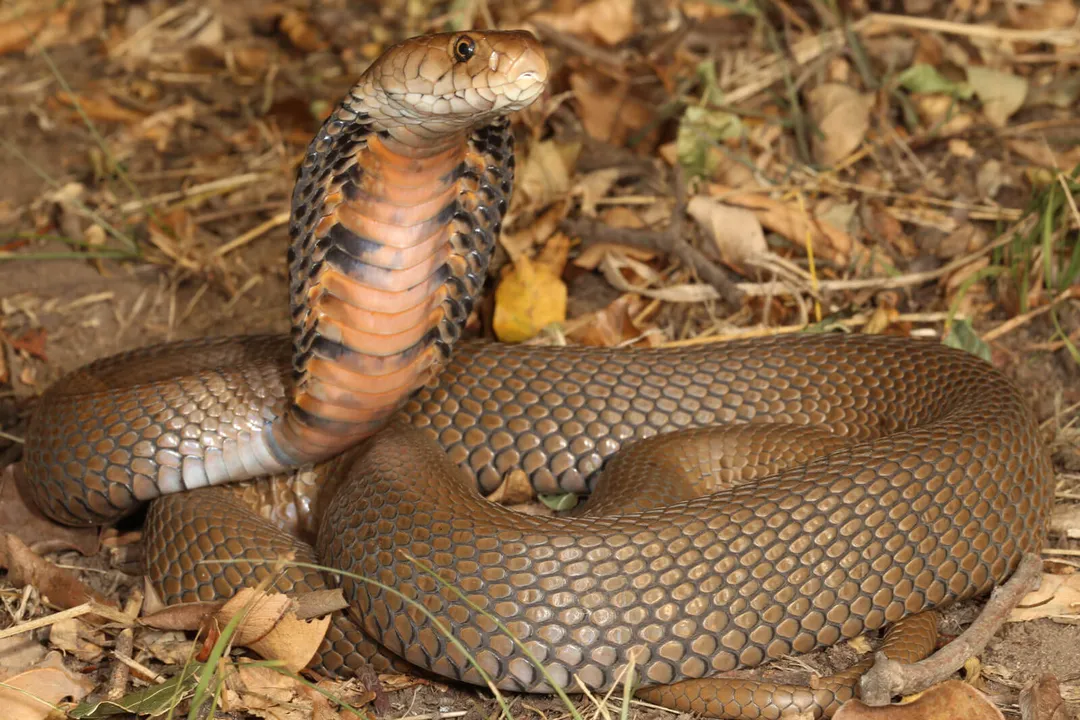
The venom of spitting cobras is complex and highly dangerous, though the method of delivery changes the immediate threat. [7] In general, the venom contains a mix of neurotoxins and cytotoxins. [8]
Neurotoxins primarily affect the nervous system, potentially leading to paralysis and respiratory failure if the venom enters the bloodstream in sufficient quantity. [7] Cytotoxins, on the other hand, cause localized tissue damage, leading to severe pain, inflammation, blistering, and necrosis (tissue death) at the site of injection. [7][8]
When a cobra spits, the primary danger is to the eyes. [5] Contact with the eyes causes intense, immediate pain, inflammation, and potentially permanent damage or blindness if not treated immediately and thoroughly. [1][5] The sheer volume ejected during a spit can be significant, but the delivery is defensive rather than predatory, meaning the most severe systemic effects are typically reserved for a direct bite. [2] A direct bite deposits the venom deep into tissues, maximizing absorption into the circulatory and nervous systems. [7] Even so, a bite from a spitting cobra is a medical emergency requiring immediate professional attention. [9]
# Habitat and Diet
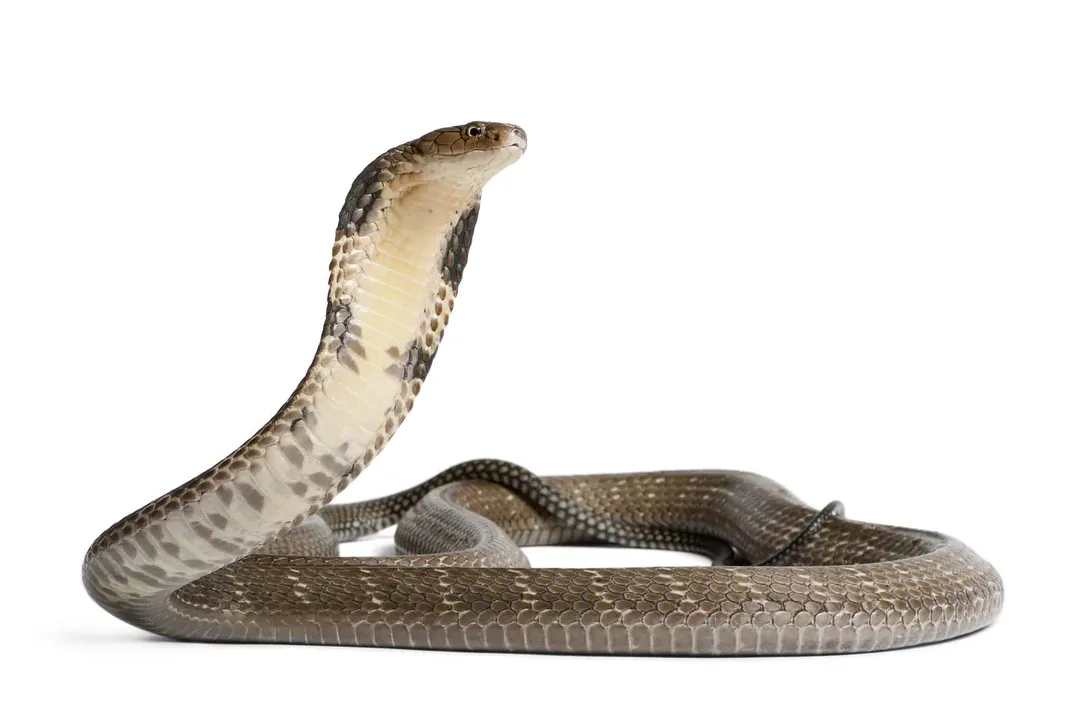
Spitting cobras occupy a variety of habitats, which dictates how frequently they encounter humans and what strategies they employ for survival. [9][6]
They can be found in environments ranging from dense forests and swamps to drier savannas and even cultivated agricultural areas or near human settlements, particularly where they can find adequate cover and prey. [9][3] The presence of Naja mossambica near human dwellings highlights a key ecological factor: proximity to people increases the likelihood of defensive encounters. [9]
Their diet is typical for many medium-sized elapids. They are carnivorous and prey primarily on small mammals, birds, frogs, and lizards. [1][2] Because they often hunt on the ground, they frequently encounter small rodents, which can sometimes lead them into human storage areas or homes, further increasing potential conflict. [9]
# Defensive Posturing and Threat Recognition
The transition from a resting state to a full threat display is rapid in a spitting cobra. When agitated or cornered, the snake will usually adopt the classic cobra posture: raising the anterior third of its body off the ground and spreading its hood to make itself appear larger and more intimidating. [5]
The decision to spit versus bite is thought to be tied to the perceived level of threat and the proximity of the attacker. [5] If the threat is distant, spitting is the preferred, lower-risk action. If the threat closes the distance despite the warning, the snake will likely default to the bite, as the venom is now directly administered where it is most effective for incapacitation. [5] Interestingly, while the mechanism requires muscle contraction, the hood spread itself is a crucial visual warning; creatures that recognize this display often retreat before the venom is even deployed. A failure to recognize the hood—common among unfamiliar animals or humans unfamiliar with snake behavior—forces the cobra into a more aggressive defensive posture. [5]
To avoid unnecessary conflict, understanding the snake's preferred avoidance strategy is key. If an encounter occurs, freezing or slowly backing away is generally better than sudden movements, which often trigger the cobra’s perception of an attack, leading to the deployment of its powerful defensive tools. [9]
# Taxonomy and Classification
As members of the Elapidae family, spitting cobras are related to coral snakes and kraits. [1] Within this family, they belong to the genus Naja. [3] The group is characterized by their ability to flatten their neck ribs to create the distinctive hood. [7]
The taxonomy can sometimes be confusing because the spitting behavior has evolved independently in several African and Asian lineages. [1] For example, while many African cobras spit, the Cape Cobra (Naja nivea), though highly venomous, is not generally characterized as a primary spitter in the same manner as N. mossambica, although it can occasionally project venom. [3] This illustrates that spitting is a specific, though widespread, adaptation within the Naja genus, rather than a universal feature of all African cobras. [1] The study of Naja pallida, for instance, provides specific data points on venom composition linked to its specific geographic niche, which contributes to broader knowledge about the genus’s adaptations. [8]
# Conservation Context
While many spitting cobras are common in their local ranges, human encroachment and habitat loss remain ongoing pressures. [9][6] In regions like Southern Africa, where snakes like the Mozambique Spitting Cobra frequently enter areas of human habitation, conflicts arise, leading to the destruction of the snakes. [9] Educating local populations about snake identification, safe distances, and basic first aid for eye exposure is essential for co-existence and reducing defensive killings of these fascinating reptiles. [5][9]
#Videos
Spitting cobras: the peculiar evolution of defensive venom in snakes
Related Questions
#Citations
Spitting cobra - Wikipedia
Spitting Cobra Animal Facts
Spitting cobra | Types, Species, Range, Venom, & Facts | Britannica
Spitting cobras: the peculiar evolution of defensive venom in snakes
Face-to-face with spitting cobras | Natural History Museum
Indochinese Spitting Cobra - Cincinnati Zoo & Botanical Garden
Spitting Cobra Facts: Lesson for Kids - Study.com
Naja pallida (African Cobra, Red Spitting Cobra) | INFORMATION
Mozambique Spitting Cobra | Kloof Conservancy The Leopard's Echo