What visual disruption mechanism do narrow, high-contrast zebra stripes create for blood-seeking insects?
Disrupt the polarization of light reflecting off the body
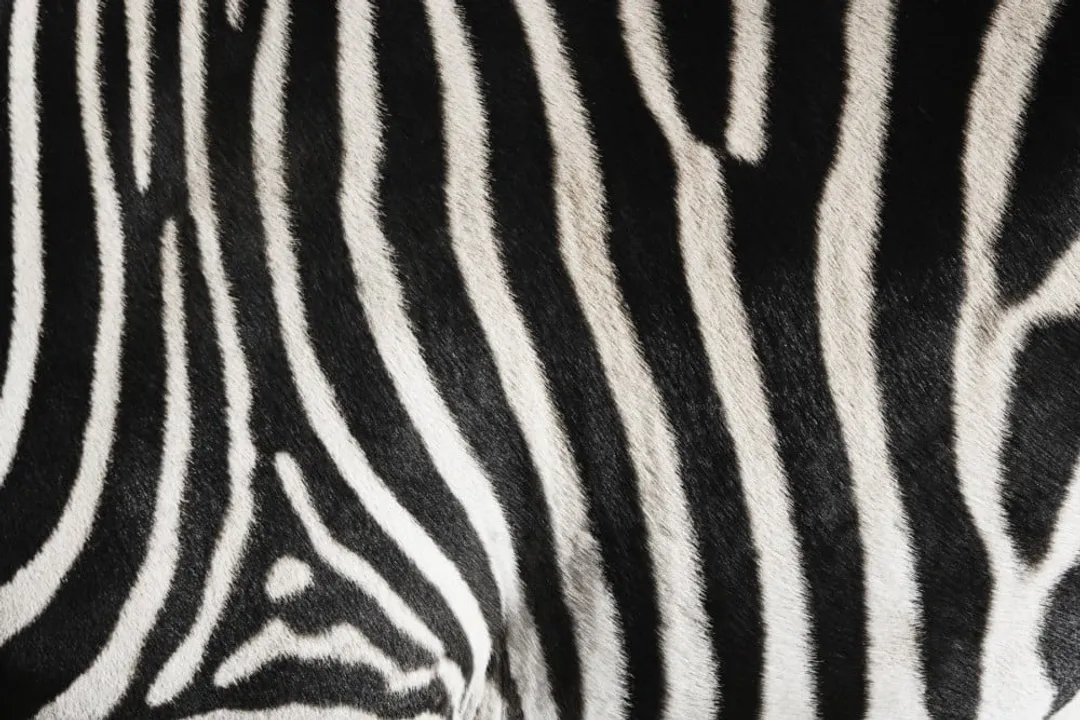
The stripes function by interfering with the way light reflects off the zebra's surface. Specifically, the narrow, high-contrast pattern disrupts the polarization pattern of the reflected light. Biting insects, such as horseflies and tsetse flies, rely on analyzing polarized light to execute controlled landings on a host. When this visual input is disrupted by the stripes, these blood-seeking insects find it significantly harder to accurately target and land on the zebra. This mechanism provides a substantial survival advantage because it minimizes irritating bites and, crucially, reduces the transmission of debilitating or fatal diseases carried by these insects, thereby improving overall fitness.
#Videos
Zebra Facts - YouTube