Zebra Finch Facts
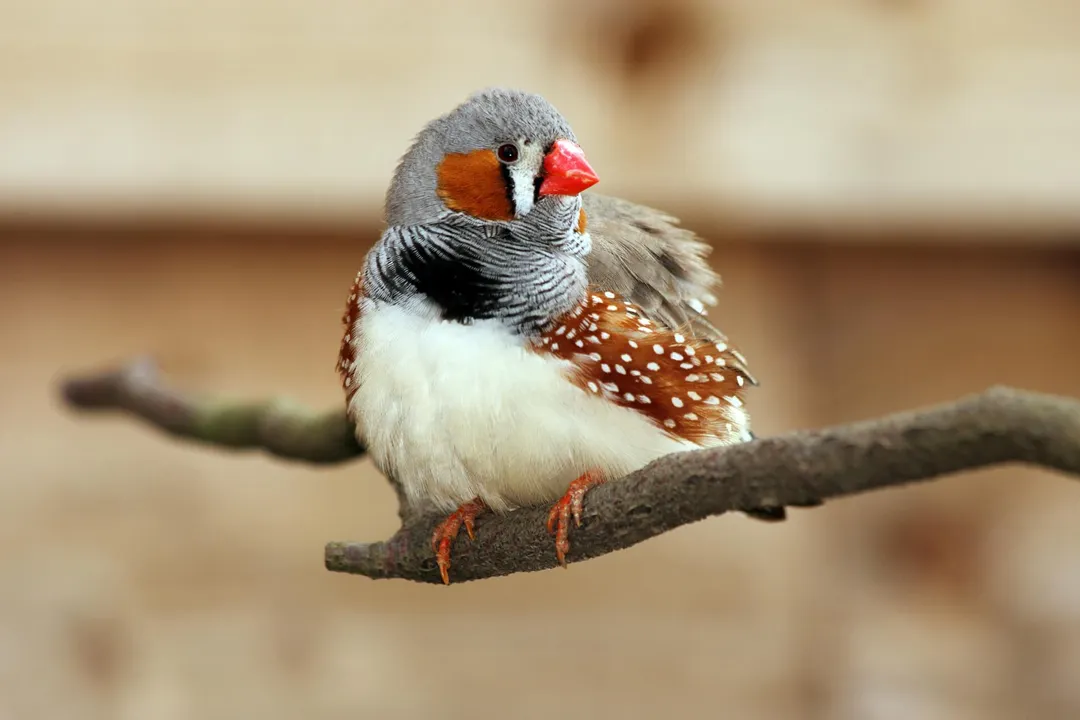
The small, busy Zebra Finch, scientifically known as Taeniopygia guttata, is one of the world's most recognizable and commonly kept companion birds, yet its success story extends far beyond the average household cage. [5][7] These birds are native to Australia, thriving in the harsh, dry inland regions, and possess a surprising complexity beneath their cheerful, diminutive exterior. [1][5] Despite their ubiquitous presence as pets, they maintain a strong identity rooted in their Australian origins and fascinating social structures. [7]
# Physical Traits
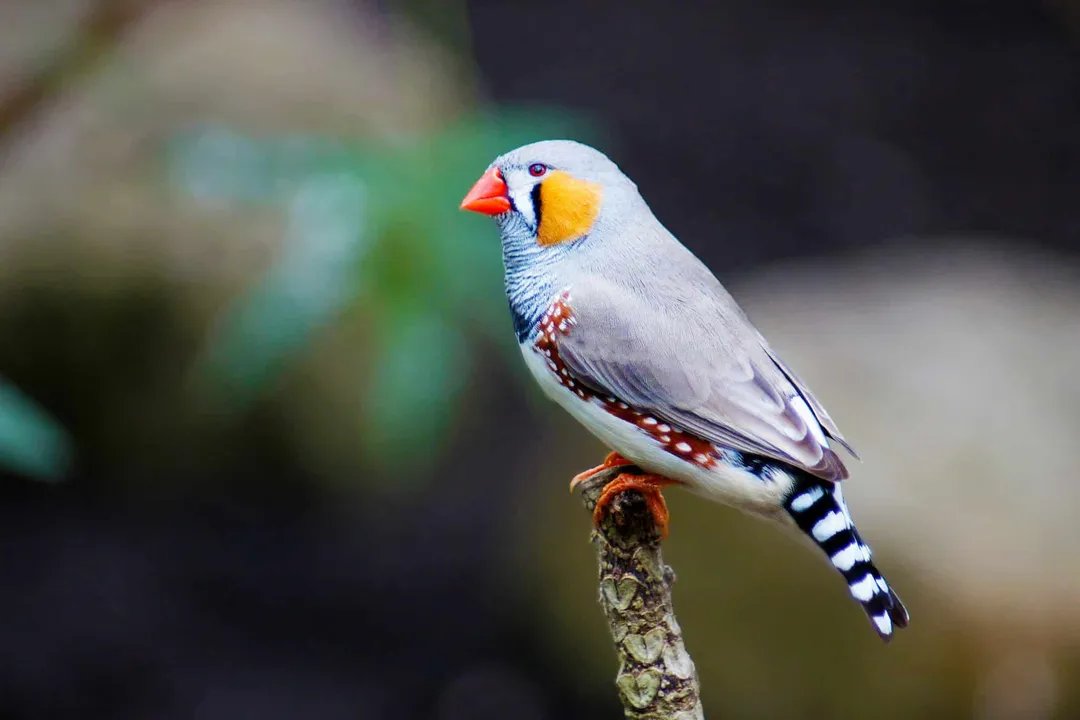
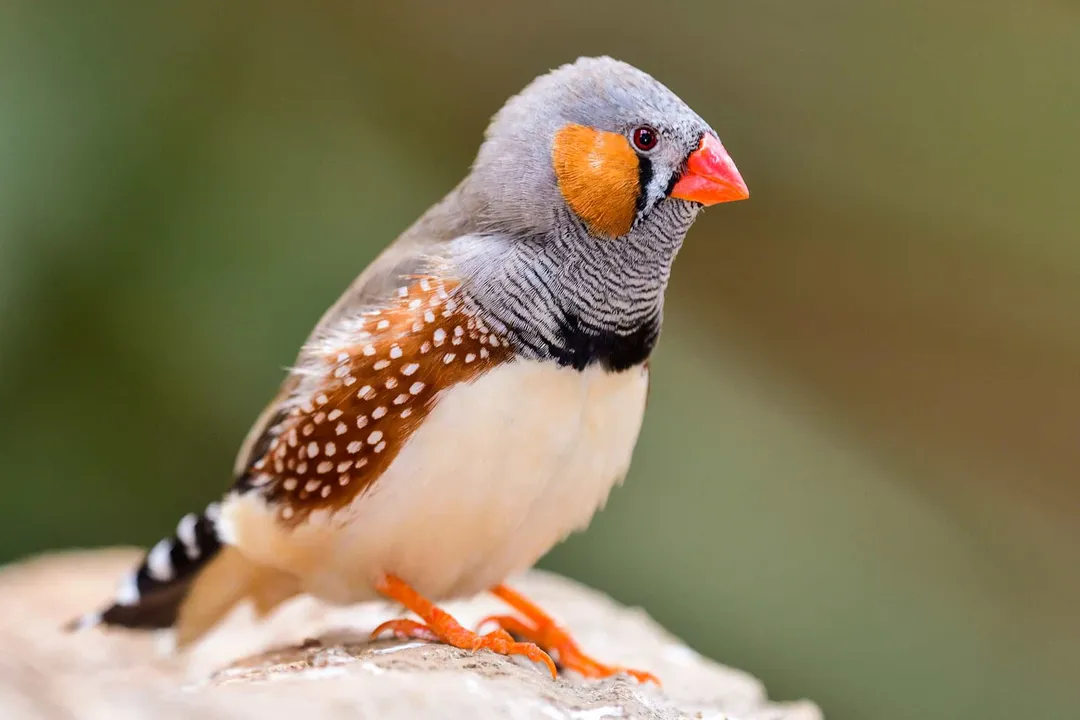
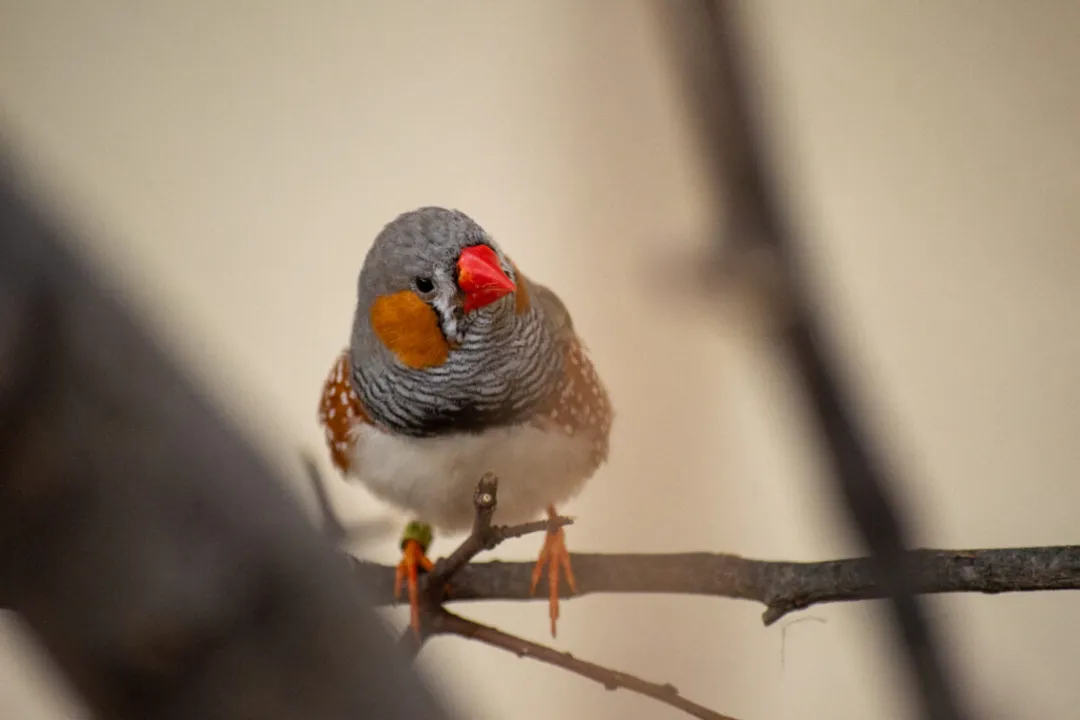
Zebra Finches are decidedly small, typically measuring only about 10 to 12 centimeters in length. [4][5] They have a plump body shape that is slightly larger than a budgerigar. [10] The coloration that defines the species is most evident in the males, creating a clear visual distinction between the sexes, known as sexual dimorphism. [1][4] The male sports an unmistakable bright orange patch on his cheek, often highlighted by a black "teardrop" stripe directly beneath the eye. [1][5] Furthermore, the male’s throat and chest feature bold black and white barring, and his flanks are patterned with striking orange coloration accented by small white spots. [4][5]
In contrast, the female bird presents a much more subdued appearance. [1] She lacks the bright orange cheek patches and the pronounced barring on the chest, instead favoring a plainer side profile. [4] However, both males and females share several key identifying marks: a vivid orange beak, which is relatively thick, and tails marked with distinctive black and white striping. [1][4][5]
While the wild-type coloring—often referred to as 'normal grey'—is striking, decades of captive breeding have resulted in an astonishing array of color mutations. [1] Pet enthusiasts now enjoy varieties such as whites, blacks, silver, fawn, and pied (mixed patches). [1][10] It is fascinating to note how the selective breeding process, focused on aesthetic appeal for the pet trade, has amplified or muted traits that would likely hinder survival in the arid Australian scrub where their ancestors evolved. [1] A pure white finch, for instance, would stand out dramatically to predators across the pale, open landscape. [1]
# Native Range
The historical and current natural range of the Zebra Finch is strictly mainland Australia. [1][5] They are highly adapted to living in arid and semi-arid grasslands and open woodlands. [7] You will generally find them close to water sources, as daily hydration is critical to their survival. [7] They are not considered migratory in the traditional sense; rather, they exhibit local movements in response to resource availability, often congregating in large numbers when rain brings fresh grasses and seeds. [7] This adaptability to dry environments is part of what has made them such successful cage birds globally. [1]
# Flock Dynamics
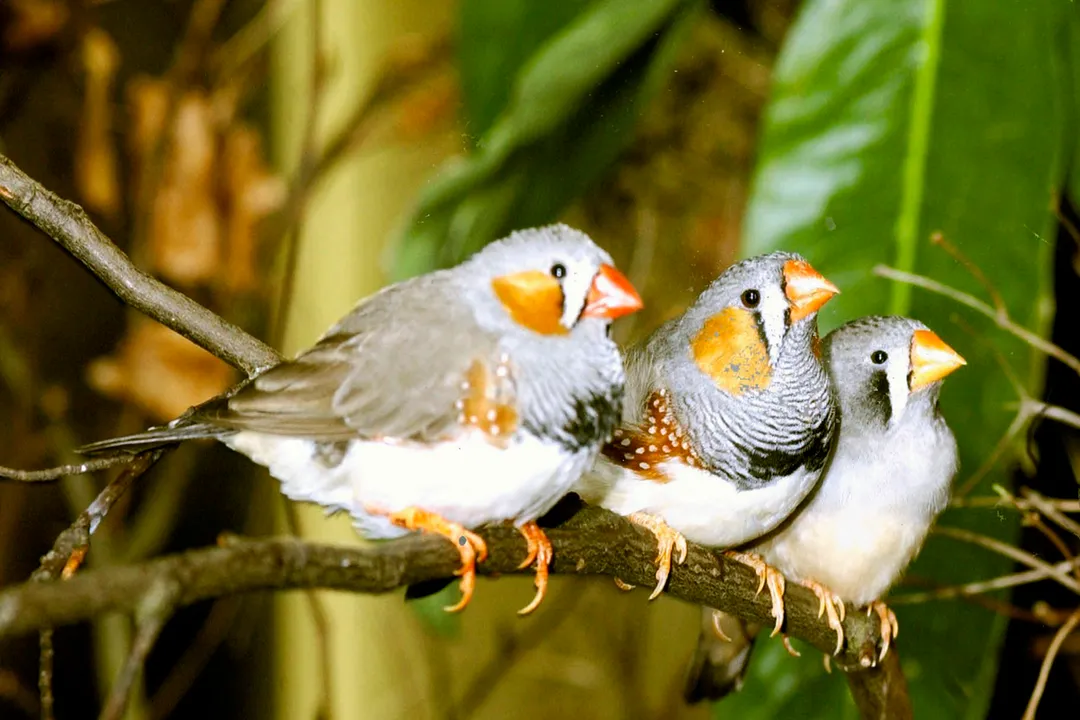
A defining characteristic of the Zebra Finch is its intense sociability. [5] These birds are rarely, if ever, found alone in the wild; they thrive as part of a flock. [3][10] This inherent need for companionship means that keeping a single Zebra Finch is strongly discouraged by most avian care experts, as isolation can lead to stress, depression, and behavioral issues. [3][5][10] They are diurnal, meaning they are active throughout the daylight hours, spending their time foraging, preening, and interacting with their companions. [4]
When observing a captive flock, one notices a constant hum of activity and interaction. While generally peaceful, they do maintain a social hierarchy, and keepers should ensure that enough resources—food dishes, water sources, and perches—are available to prevent undue competition, especially between established pairs or individuals. [3]
# Soundscape
The vocalizations of the Zebra Finch are complex and integral to their social life. [5] The males are the primary singers, producing elaborate, somewhat repetitive songs intended primarily for courtship and establishing territory. [5] These songs are learned, which is a crucial point for ornithologists, and they involve a series of warbles, trills, and chirps. [5]
Females, on the other hand, have a much more limited vocal range. [5] Their communication tends to consist of simpler sounds like softer trills and short chirps, often used as responses to the male’s song or to communicate basic needs within the flock. [1][5] Even the common ‘contact call’ used to keep the flock aware of each other’s location is a frequent sound in their environment. [5]
# Reproduction Cycle
In their native Australian environment, breeding is often triggered by favorable conditions, typically following good rainfall which ensures an abundance of seeds. [7] In the controlled environment of captivity, however, Zebra Finches breed quite readily throughout the year. [1] They construct dome-shaped nests, often using grass, found high up in grasses, shrubs, or tree cavities in the wild, though captive birds will readily use provided nest boxes. [1][5]
A typical clutch size ranges between four to six small, whitish eggs. [1][5] The incubation period is relatively short, usually lasting about 12 to 14 days before the chicks hatch. [1][5] Once hatched, the young are utterly dependent on their parents. They remain in the nest for approximately three weeks before fledging, though they may continue to receive food from the parents for some time after leaving the nest structure. [1][5] This rapid reproductive cycle contributes to their successful propagation in various settings.
# Lifespan Welfare
Zebra Finches are generally considered hardy birds, making them relatively easy to care for when their basic needs are met. [10] In the wild, their lifespan is naturally shorter due to predation and environmental pressures. [5] However, in a well-maintained captive environment, where they are protected and fed appropriately, Zebra Finches commonly live for about 5 to 10 years. [1][3][5] Reaching the upper end of this range often requires attentive care regarding diet and environment. [3]
For excellent welfare, the cage size must accommodate flight, as these are active little birds. [3] While some sources recommend cages with wider mesh spacing, ensuring the wire spacing is appropriately narrow is vital to prevent escape or injury. [3][9] A good captive diet moves beyond just seed mixes, incorporating high-quality pellets, fresh greens, and a source of calcium or grit to aid digestion, which is particularly important given their natural diet of grass seeds. [3][10] Furthermore, while they live in arid zones, they retain a need for bathing; providing a shallow dish of water several times a week encourages necessary preening behavior, mimicking how they might bathe in dew or temporary puddles in the outback. [7]

# Research Model
Beyond their popularity as pets, Zebra Finches hold an esteemed position in the scientific community. [5] They are extensively used as a model organism in behavioral neuroscience and bioacoustics research. [6] Their capacity to learn and reproduce complex vocalizations, paired with the relative simplicity of understanding their song-control brain structures compared to larger songbirds, makes them invaluable subjects. [5] Researchers study their development, the neural pathways associated with sound production, and how social interactions affect learning and behavior in these tiny avian subjects. [5][6] This dual role—beloved pet and crucial scientific tool—underscores their significance across different fields. [5]
Related Questions
#Citations
Zebra Finch - The Australian Museum
10 Fascinating Facts About Zebra Finches - Painted Bird Shop
Zebra Finch Personality, Food & Care – Pet Birds by Lafeber Co.
Zebra Finch - A-Z Animals
Zebra finch - Wikipedia
Zebra Finch Bird | Abilene Zoo Animals
Taeniopygia guttata (zebra finch) - Animal Diversity Web
Zebra finch Facts for Kids
Zebra Finch — Full Profile, History, and Care - The Spruce Pets
Our Complete Guide To Zebra Finches | Westfield Vet