Zebra Pleco Facts
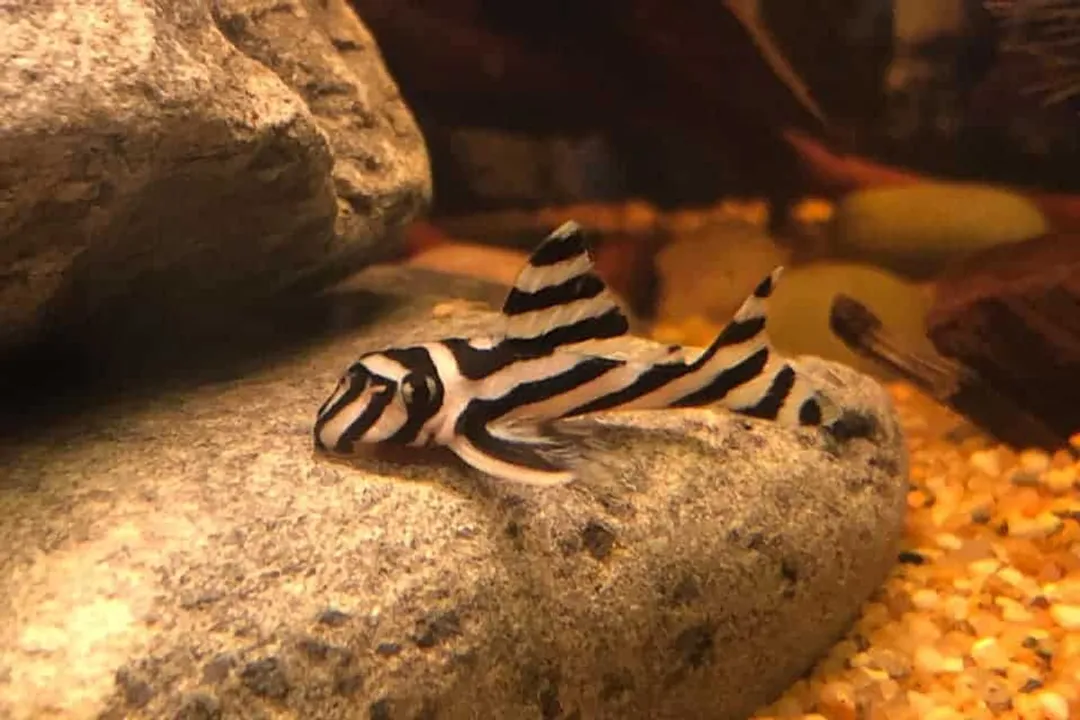
The Hypancistrus zebra, commonly known as the Zebra Pleco, is arguably one of the most sought-after and visually stunning freshwater fish in the aquarium hobby, instantly recognizable by its dramatic black and white striping. [1][3] This small catfish commands significant attention, often carrying a high price tag due to its rarity, especially in the wild trade. [4][6] Scientifically classified within the Loricariidae family, the Zebra Pleco is a true gem of the South American river systems. [1][9] Its distinctive pattern, featuring alternating horizontal bands of deep black and brilliant white or yellowish-white that cover its entire body, makes it a favorite among dedicated aquarists. [4][5]
# Naming and Classification
The scientific name for this specific species is Hypancistrus zebra. [1][7] The genus Hypancistrus itself contains several small, armored catfish species known for their unique appearances. [9] Within the hobby, they are sometimes referenced using their L-number designation, L046, which is a cataloging system used for loricariids before formal scientific identification. [7][9] While some sources might loosely group them with other small plecos, their specific care needs and appearance distinguish them sharply from the common, much larger Pterygoplichthys species often found in pet stores. [1]
# Size and Markings
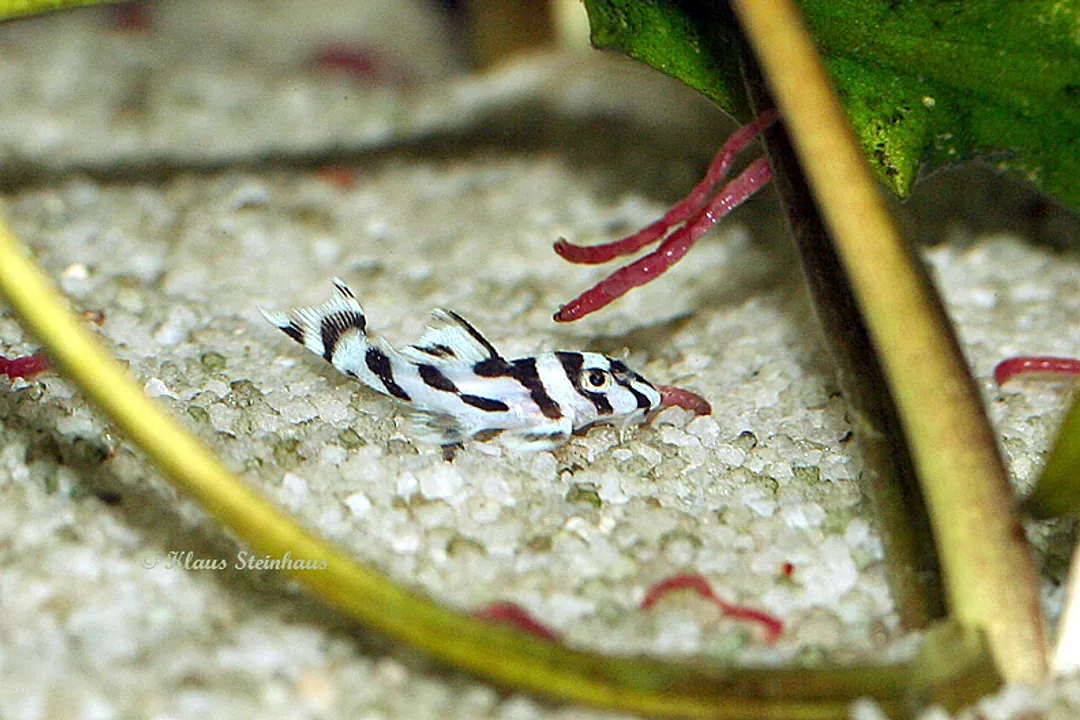
One of the most appealing aspects of the Zebra Pleco is its manageable adult size. [4] Unlike many of its larger armored cousins, the Zebra Pleco typically maxes out at around 3.5 to 4 inches in length when fully grown. [1][3] This compact stature makes them an excellent choice for smaller, high-end display tanks, provided the necessary water quality standards are met. [4]
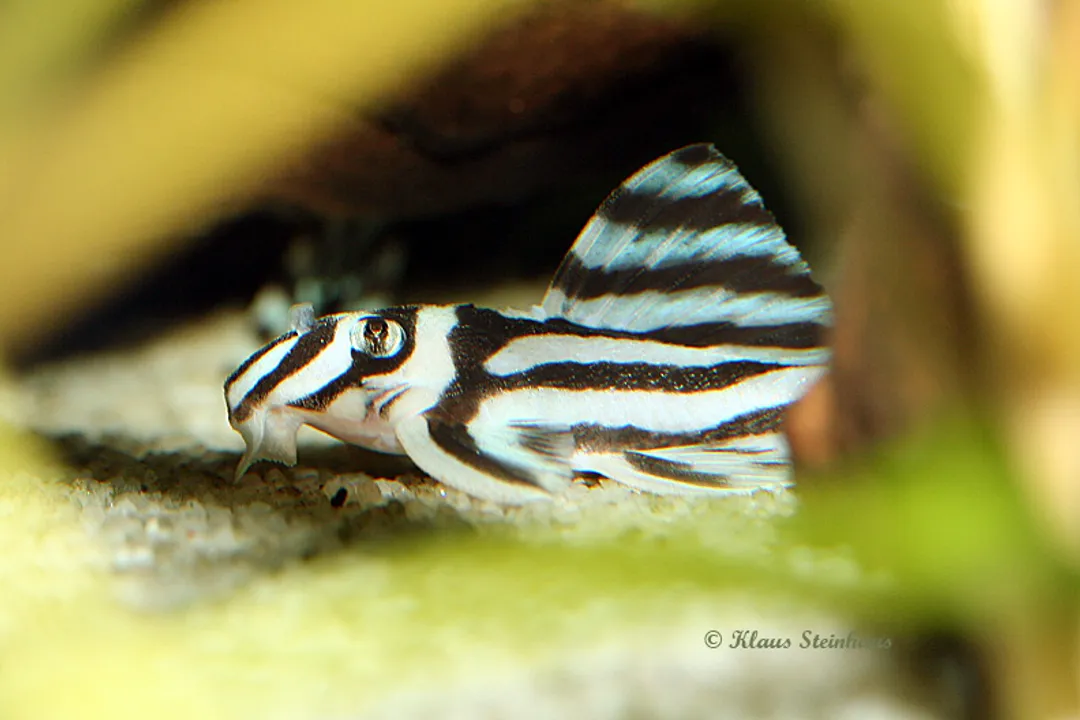
The striping pattern is the defining characteristic. The bands are generally crisp and well-defined. [4] Juvenile fish often display a slightly less intense pattern, which sharpens and becomes more pronounced as they mature. [1] Interestingly, the specific configuration of these stripes is unique to each individual, much like a human fingerprint. [2] While the overall theme is black and white, the exact width and spacing of the stripes can vary slightly between specimens, leading devoted keepers to sometimes nickname them based on their individual "barcode". [2] Another key identifier is the presence of fine spotting on the head region, which can sometimes appear between the main stripes, though the overall body pattern remains dominant. [1]

# Riverine Origins
Understanding the Zebra Pleco’s natural environment is crucial for replicating its necessary conditions in captivity. [4] These fish originate exclusively from a specific region in the Xingu River basin in Brazil. [1][6][7] This area is characterized by fast-flowing, highly oxygenated water. [1][6] They are lithophils, meaning they are creatures of the rock and gravel substrate. [7]
The Xingu River environment dictates several non-negotiable parameters for captive care. The water is typically quite warm, often in the mid-to-high 70s Fahrenheit range, and possesses a slightly acidic to neutral pH. [4][6] Furthermore, the water in their native habitat is known for its clarity, which necessitates excellent filtration in an aquarium setting. [1] The constant, vigorous water flow in the Xingu is another critical factor that must be addressed in a home setup, mimicking the natural turbulence they are accustomed to. [6]
| Parameter | Typical Native Range | Required Captive Range | Notes |
|---|---|---|---|
| Temperature | 75°F – 82°F | 78°F – 82°F | Consistent warmth is vital. [4][6] |
| pH | Slightly Acidic to Neutral | 6.0 – 7.5 | Stability is more important than the exact number. [4] |
| Hardness (GH) | Soft to Moderate | Low to Moderate | They do not typically thrive in very hard water. [1] |
| Flow Rate | High/Vigorous | High | Mimicking river current is necessary. [6] |
This extremely localized distribution in the wild makes them inherently vulnerable to habitat disruption, a point that underscores their importance in conservation efforts. [6]
# Setting Up the Ideal Aquarium
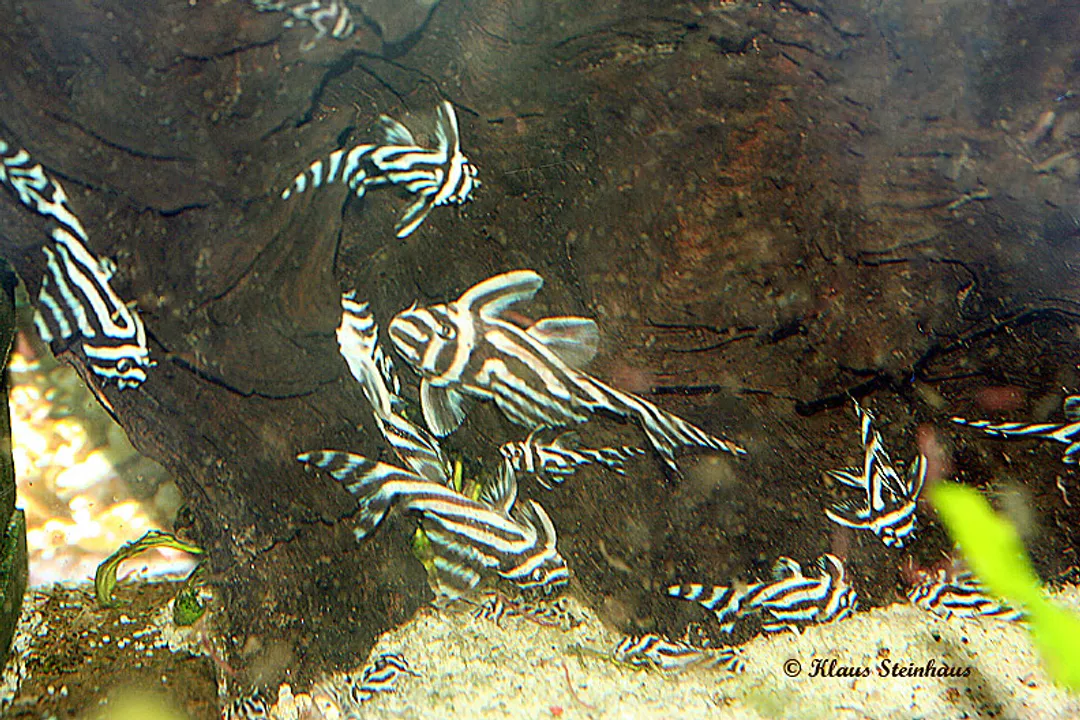
Creating a suitable home for the Zebra Pleco requires more than just a standard tropical tank setup; it demands attention to hiding places and water movement. [4] Because they are naturally shy and nocturnal, providing ample refuge is paramount to keeping them healthy and visible. [1][7]
# Shelter and Substrate
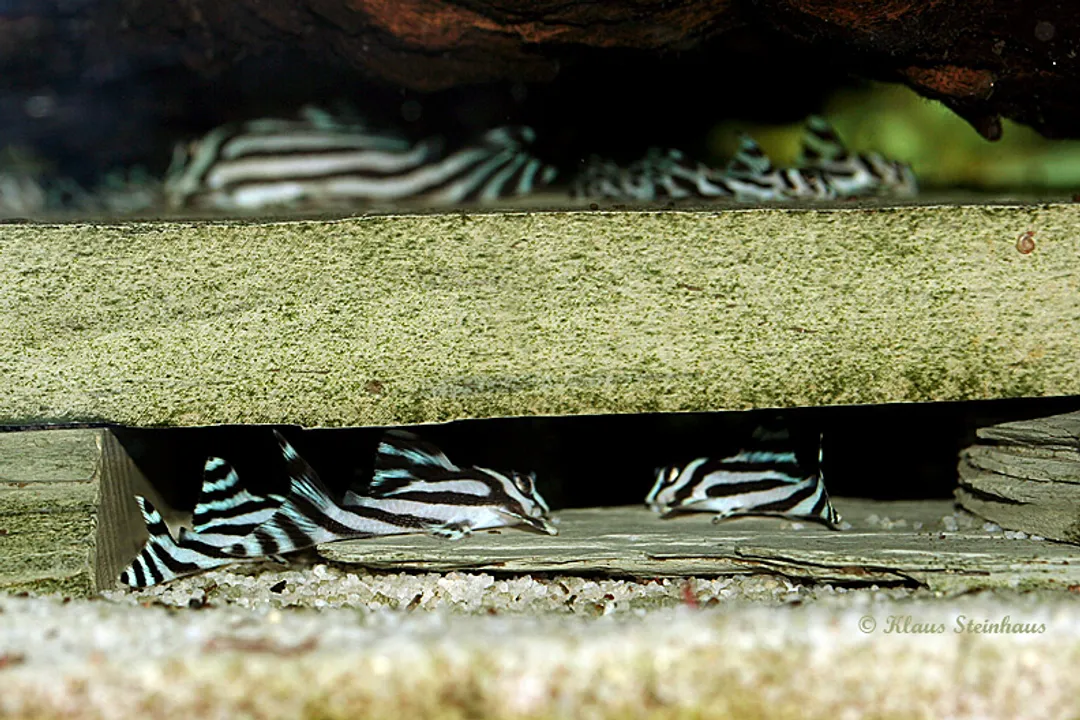
The most important element in a Zebra Pleco tank is shelter. [4] These fish require dark, secure hiding spots to feel safe, especially during the day when they rest. [1] Providers strongly recommend using multiple caves constructed from materials like slate, driftwood, or commercially available ceramic or resin hides. [4][6] It is interesting to note that the preferred cave should ideally be just large enough for the fish to comfortably occupy, as overly large spaces can sometimes make them feel exposed. [1]
When selecting substrate, fine sand is often preferred over coarse gravel. [4] This preference stems from their benthic nature—they spend all their time on the bottom, and fine substrate is gentler on their delicate undersides and barbels. [4] Coarse gravel can cause irritation or injury if they are constantly foraging or resting on it. [2]
# Water Movement and Quality
Replicating the strong current of the Xingu River is essential for their respiratory health. [6] This means incorporating strong filtration and powerheads to create significant, directional water movement throughout the tank. [1][6] High oxygen saturation is a direct result of this turbulence, which these fish absolutely require. [4] If the water flow is insufficient, the fish may become stressed, leading to health issues. [6]
Water quality, as mentioned, must be pristine. Ammonia and nitrite must always remain at zero, and nitrates should be kept very low, typically under 10 ppm. [1][4] Because they are so sensitive to water chemistry fluctuations, undertaking water changes diligently is crucial. [4] A good strategy here, which goes beyond simply stating the requirement, is to always perform water changes slowly and ensure the replacement water matches the existing tank temperature and chemistry as closely as possible; a rapid change in temperature of even a few degrees can shock these sensitive fish. [2]
# Diet and Nutrition
Zebra Plecos are primarily omnivores with a strong inclination toward meaty foods, differentiating them from many algae-grazing pleco species. [1][4] While they will consume some biofilm and soft plant matter, a diet rich in protein is necessary for their long-term health and growth. [1][9]
In captivity, a varied diet should be offered, focusing on sinking pellets specifically formulated for carnivorous catfish, supplemented with frozen or freeze-dried options. [4][6] Good supplemental foods include high-quality bloodworms, brine shrimp, and white/black worms. [1][6] Because they are nocturnal, feeding should ideally take place after the main lights are turned off, allowing them to scavenge securely. [1][7] It is important not to overfeed, as uneaten meaty foods will quickly foul the pristine water conditions they demand. [4] Offering food a few times per week, rather than daily, often suffices, especially for established adults, as they will graze on the biofilm developing in the tank between feedings. [2]
# Social Dynamics and Temperament
While they are classified as shy, Zebra Plecos are not entirely passive tankmates. [1] They are generally considered moderately territorial, particularly concerning their chosen hiding spaces. [7] As small catfish, they do best when kept in groups of their own kind, provided the tank is adequately sized and has sufficient hiding spots for every individual to claim a territory. [4] Keeping a single specimen can sometimes lead to chronic stress if they constantly feel exposed. [2]
When selecting tankmates, compatibility centers on two main factors: water parameter alignment and temperament. [4] Other fish should be able to tolerate the high flow and temperature requirements. [4] Peaceful, mid-to-upper water column dwellers are usually suitable companions, such as certain tetras or rasboras. [1][7] It is best to avoid keeping them with overly boisterous or aggressive bottom-dwelling fish that might dispute their shelters or harass them while they are feeding. [4] Slow-moving, delicate fish should also be avoided, as the fast water flow might prove too stressful for them. [2]

# Breeding Success in Captivity
The successful captive breeding of Hypancistrus zebra is a significant achievement in the aquarium world, and it is one of the key factors supporting their continued availability today. [9] Wild-caught specimens have become increasingly scarce, making breeder populations essential for sustainability. [6]
Zebra Plecos are known to be cave spawners. [7] The male is solely responsible for guarding the eggs and fry once they are laid inside a secure cavity, much like many other Loricariids. [1] The male will fan the eggs with his fins to ensure they receive ample oxygenated water. [7] The fry hatch after a relatively short period, and the male may guard them for several weeks until they are large enough to fend for themselves and begin actively foraging. [1] To encourage breeding, aquarists often simulate the rainy season by slightly increasing water changes and slightly lowering the water temperature for a short period, followed by a gradual return to standard warm temperatures, which can trigger spawning behavior in a mature pair. [9]
# Conservation and Rarity
The conservation status of the Zebra Pleco is a serious concern. [6] They are endemic to a small area of the Xingu River, making them naturally susceptible to environmental changes. [6][7] Threats to their wild populations include habitat degradation from logging, pollution, and the construction of dams, which drastically alter the flow regime and water chemistry of their specialized environment. [6]
The high demand in the international aquarium trade placed significant pressure on wild stocks in the past. [4][6] While many fish now in the hobby are captive-bred—a testament to successful breeding programs—the link to the wild remains important for genetic diversity and conservation awareness. [9] The price point often reflects this history of rarity and the ongoing difficulties in maintaining perfect captive conditions, though captive-bred individuals are often hardier than their wild-caught counterparts. [4] For example, a dedicated breeder aiming for high standards might run two separate, heavily filtered sumps just to ensure that one tank can maintain the ideal 80°F, 50% flow rate setup while the other handles weekly water changes without impacting the primary breeding environment, illustrating the operational commitment required. [2]
# Maintenance Commitment
Caring for a Zebra Pleco is not a task for a novice aquarist; they are delicate and demand unwavering attention to water quality. [1][4] A common pitfall for newcomers attempting to keep these fish is underestimating the flow requirement. [6] Mistaking a gentle filter current for the vigorous flow of a large river is a frequent mistake that leads to lethargy or illness in the fish. [2] Furthermore, if kept in tanks that are too large for their security needs—lacking enough caves or being too brightly lit—they will hide constantly, defeating the purpose of keeping such a spectacular fish. [4] An important management tip for any keeper is to establish a rigorous, scheduled maintenance routine before acquiring the fish, understanding that weekly water changes of 30-50% are often necessary to keep nitrates low enough to satisfy these sensitive L046s. [1] This commitment to water parameters is what separates long-term success from frustrating short-term losses in keeping this prized armored catfish.
Related Questions
#Citations
Zebra Pleco Care - Hypancistrus Zebra - Fish Lore
"There's No End To The Things You Might Know, Depending How ...
Zebra Pleco Fish Facts - Hypancistrus zebra - A-Z Animals
Zebra Pleco 101: Care, Size, Breeding & More! - Aquarium Source
Zebra pleco Facts for Kids
Fish of the week - Zebra Pleco - NT Labs
Zebra Pleco | Endless Ocean Wiki - Fandom
The Ultimate Guide to Zebra Pleco Care: Habitat, Feeding, Health ...
Zebra Pleco (Hypancistrus zebra) Species | Tropical Fish Hobbyist ...